THE ADVENTURE COLLECTIVE® · Independent discovery and booking for outdoor travel

Spend an hour at the historic Edermühle meeting Kune Kune pigs, peacocks, ducks and pond life. This guided, private lesson blends hands-on feeding with local farm history—ideal for families and curious travelers.
Spend an hour at the historic Edermühle meeting Kune Kune pigs, peacocks, ducks and pond life. This guided, private lesson blends hands-on feeding with local farm history—ideal for families and curious travelers.
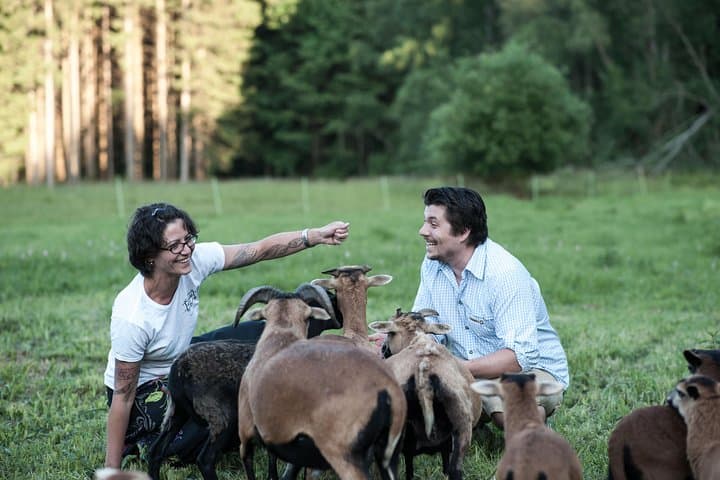
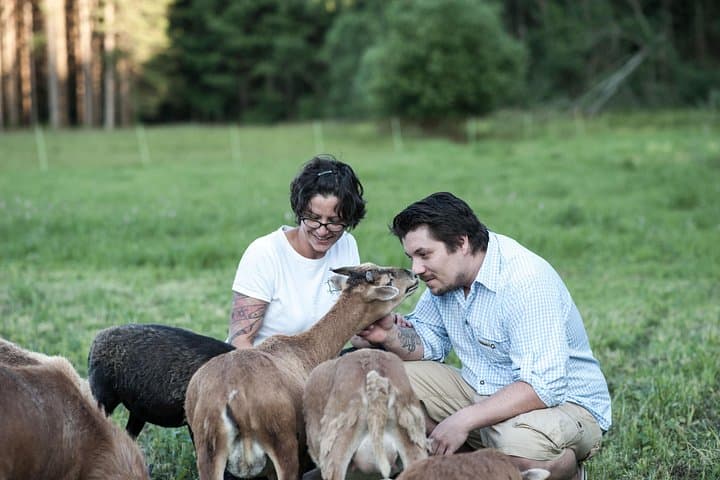
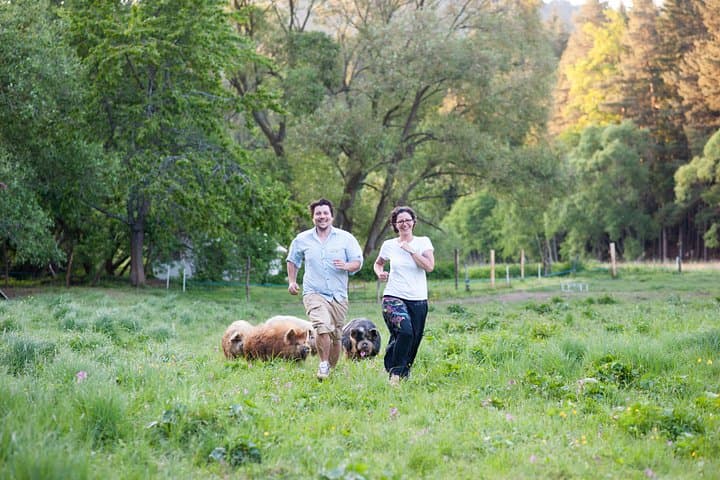
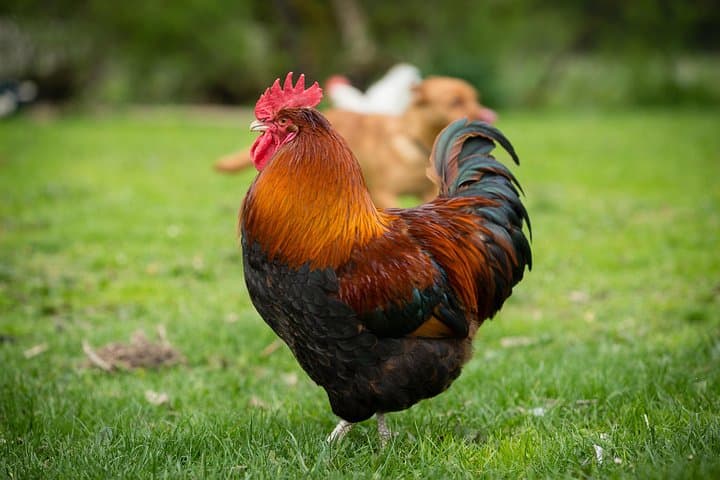
A morning at the Edermühle begins with the crunch of gravel under boots and the low calls of ducks edging the fish ponds. Light filters through orchard rows as hosts Steffi and Christian greet you at the gate, ready to introduce the farm’s residents—hens, peacocks, Kune Kune pigs and the fish that circle the pond. The place feels lived-in: fences hum with small domestic dramas, and the air carries the honest scent of hay and soil.
Verified experiences and guided adventures in the surrounding area.
Operated by Edermühle im Waldviertel / EM KG · Edermühle (Lower Austria), Lower Austria
A morning at the Edermühle begins with the crunch of gravel under boots and the low calls of ducks edging the fish ponds. Light filters through orchard rows as hosts Steffi and Christian greet you at the gate, ready to introduce the farm’s residents—hens, peacocks, Kune Kune pigs and the fish that circle the pond. The place feels lived-in: fences hum with small domestic dramas, and the air carries the honest scent of hay and soil.
Edermühle is a working property with more than 400 years of history; the mill buildings recall local rural life in Lower Austria and the slow rhythms of agrarian communities along regional waterways. Geologically the area is lowland river plain—easy, flat terrain that channels water and wildlife into broad ponds and wet margins where ducks and amphibians thrive.
Culturally, the visit mixes hands-on animal care with folklore-level facts: why roosters organize the yard, how pigs use mud to regulate temperature, and what an otter means for an electric fence. The hosts tailor the hour to ages and interests, making it a good fit for families, couples, or solo travelers curious about farm systems.
Practical guidance: wear sturdy shoes and weatherproof layers, expect light walking on grass and mud, and bring a small hand sanitizer for after petting. Special animal feed is provided, allergies are a concern so check in before booking, and the visit lasts roughly 60 minutes. The visit is private and family-friendly—an accessible, tactile way to learn where food and farm life meet local history.
easy.
1 hour.
Suitable for all fitness levels; requires light walking on uneven terrain and standing when interacting with animals.
Yes — the session is family-friendly and private; hosts adapt the visit to different ages but supervise young children around animals.
Yes — special animal feed is provided and guests are invited to feed and pet many animals under host guidance.
The guided visit lasts approximately 60 minutes and is arranged as a private session for your booking.
This activity involves direct animal contact and is not suitable for those with animal dander allergies—contact the host before booking to discuss concerns.
Edermühle occupies buildings with over 400 years of local history, reflecting traditional mills and farm practices common to Lower Austria.
The farm practices small-scale animal stewardship and pond management; visitors should follow host instructions to minimize disturbance and avoid feeding animals outside provided feed.
Edermühle im Waldviertel / EM KG operates guided outdoor trips and adventures with an emphasis on safety, stewardship, and memorable experiences.
A morning at the Edermühle begins with the crunch of gravel under boots and the low calls of ducks edging the fish ponds. Light filters through orchard rows as hosts Steffi and Christian greet you at the gate, ready to introduce the farm’s residents—hens, peacocks, Kune Kune pigs and the fish that circle the pond. The place feels lived-in: fences hum with small domestic dramas, and the air carries the honest scent of hay and soil.
A morning at the Edermühle begins with the crunch of gravel under boots and the low calls of ducks edging the fish ponds. Light filters through orchard rows as hosts Steffi and Christian greet you at the gate, ready to introduce the farm’s residents—hens, peacocks, Kune Kune pigs and the fish that circle the pond. The place feels lived-in: fences hum with small domestic dramas, and the air carries the honest scent of hay and soil.
Edermühle is a working property with more than 400 years of history; the mill buildings recall local rural life in Lower Austria and the slow rhythms of agrarian communities along regional waterways. Geologically the area is lowland river plain—easy, flat terrain that channels water and wildlife into broad ponds and wet margins where ducks and amphibians thrive.
Culturally, the visit mixes hands-on animal care with folklore-level facts: why roosters organize the yard, how pigs use mud to regulate temperature, and what an otter means for an electric fence. The hosts tailor the hour to ages and interests, making it a good fit for families, couples, or solo travelers curious about farm systems.
Practical guidance: wear sturdy shoes and weatherproof layers, expect light walking on grass and mud, and bring a small hand sanitizer for after petting. Special animal feed is provided, allergies are a concern so check in before booking, and the visit lasts roughly 60 minutes. The visit is private and family-friendly—an accessible, tactile way to learn where food and farm life meet local history.