THE ADVENTURE COLLECTIVE® · Independent discovery and booking for outdoor travel

Get your hands floured and your pleats consistent: this three-hour, hands-on dumpling workshop in downtown Boston teaches steamed, pan-fried, and traditional jiaozi techniques. Ideal for small groups and anyone who wants to turn takeout favorites into a home-cooked skill.
Get your hands floured and your pleats consistent: this three-hour, hands-on dumpling workshop in downtown Boston teaches steamed, pan-fried, and traditional jiaozi techniques. Ideal for small groups and anyone who wants to turn takeout favorites into a home-cooked skill.
Step through the glass door at 19 Kingston Street and the city noise gives way to the click of bamboo steamers and the warm scent of sesame oil.
Verified experiences and guided adventures in the surrounding area.
Operated by Selfup · Boston, Massachusetts
Step through the glass door at 19 Kingston Street and the city noise gives way to the click of bamboo steamers and the warm scent of sesame oil.
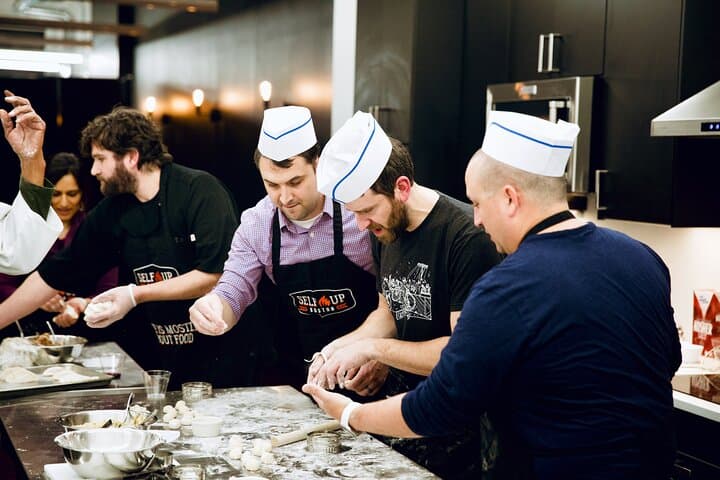
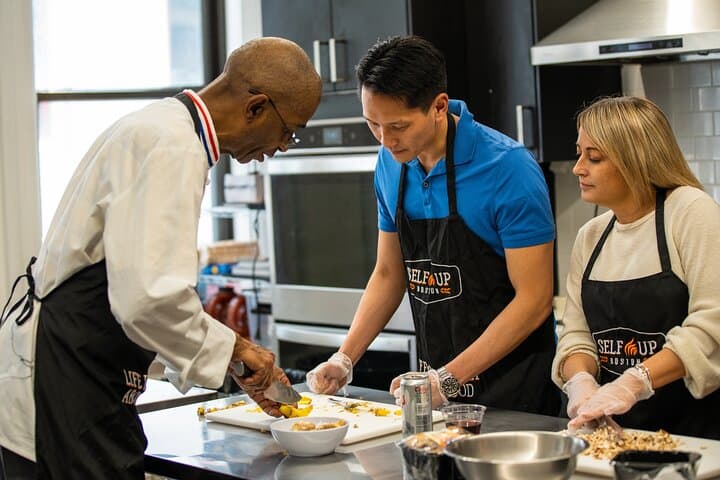
In this compact downtown kitchen, a circle of tables becomes a workshop: dough pressed between fingers, pleats folded with purposeful rhythm, and a chef’s steady voice guiding the tempo. The experience is part culinary lesson, part social ritual — you leave with sauce stains and a cooler full of take-home dumplings.
Boston’s food scene reflects waves of immigration: Chinatown sits alongside the North End and former 19th-century granite wharves, and the cooking here borrows technique from Cantonese dim sum while adapting to New England ingredients. The city’s reclaimed land and brick alleys frame a modern food culture that prizes hands-on learning and neighborhood flavors.
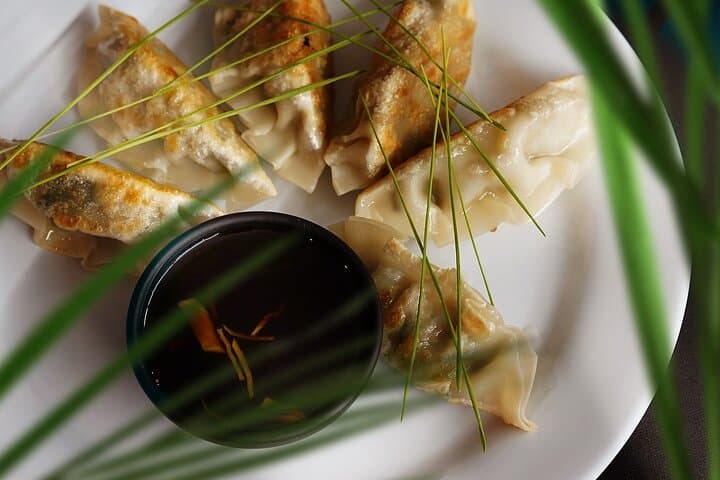
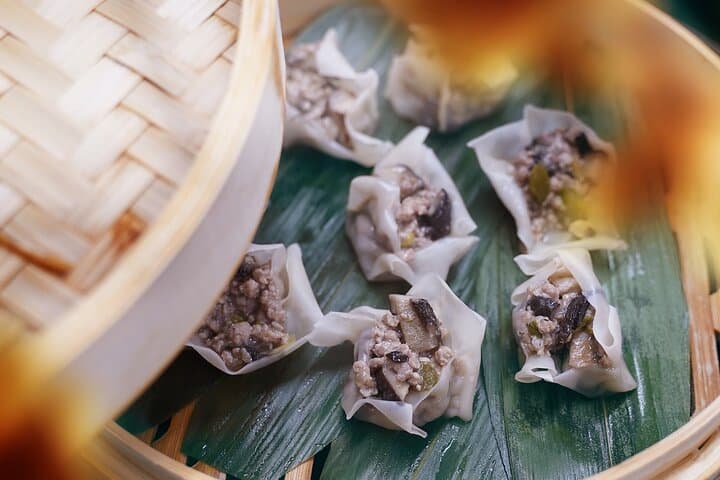
Expect to make multiple varieties — steamed dim sum-style parcels, pan-fried potstickers, and jiaozi often linked to Chinese New Year traditions. Chef Gary explains filling ratios, wrapping styles, and pan technique so your potstickers come away crisp without burning.
Practical notes: arrive a few minutes early and use the buzzer at the entrance; the class runs about three hours and involves standing, simple knife work, and tasting. The venue is wheelchair accessible; dietary needs can usually be accommodated if flagged in advance. Bring a reusable water bottle, wear closed-toe shoes, and leave extra room in your bag for a take-home container. Whether you’re sharpening basic skills or learning a new social recipe to share, this is a compact, hands-on dive into dim sum craft.
easy.
3 hours.
Light physical activity — standing, simple knife work, and repeated hand motions; suitable for most fitness levels.
The class meets at 19 Kingston Street in downtown Boston; press the buzzer at the automatic glass door and a staff member will escort you inside.
Yes — vegetarian and common allergy accommodations are typically possible if requested at booking; note specifics in the reservation form.
Yes; the venue and transportation options listed are wheelchair accessible, but contact the operator in advance to confirm any specific needs.
All sales are final per the booking terms; there are no refunds for cancellations, and the experience may be canceled by the operator for weather or low enrollment.
The area reflects Boston’s layered immigrant history — Chinatown and the adjacent North End grew as 19th- and 20th-century arrival points for people and their cuisines.
Classes aim to limit food waste and many local kitchens compost scraps; bring a reusable container to reduce single-use packaging.
Selfup operates guided outdoor trips and adventures with an emphasis on safety, stewardship, and memorable experiences.
Step through the glass door at 19 Kingston Street and the city noise gives way to the click of bamboo steamers and the warm scent of sesame oil.
Step through the glass door at 19 Kingston Street and the city noise gives way to the click of bamboo steamers and the warm scent of sesame oil.
In this compact downtown kitchen, a circle of tables becomes a workshop: dough pressed between fingers, pleats folded with purposeful rhythm, and a chef’s steady voice guiding the tempo. The experience is part culinary lesson, part social ritual — you leave with sauce stains and a cooler full of take-home dumplings.
Boston’s food scene reflects waves of immigration: Chinatown sits alongside the North End and former 19th-century granite wharves, and the cooking here borrows technique from Cantonese dim sum while adapting to New England ingredients. The city’s reclaimed land and brick alleys frame a modern food culture that prizes hands-on learning and neighborhood flavors.
Expect to make multiple varieties — steamed dim sum-style parcels, pan-fried potstickers, and jiaozi often linked to Chinese New Year traditions. Chef Gary explains filling ratios, wrapping styles, and pan technique so your potstickers come away crisp without burning.
Practical notes: arrive a few minutes early and use the buzzer at the entrance; the class runs about three hours and involves standing, simple knife work, and tasting. The venue is wheelchair accessible; dietary needs can usually be accommodated if flagged in advance. Bring a reusable water bottle, wear closed-toe shoes, and leave extra room in your bag for a take-home container. Whether you’re sharpening basic skills or learning a new social recipe to share, this is a compact, hands-on dive into dim sum craft.