THE ADVENTURE COLLECTIVE® · Independent discovery and booking for outdoor travel

Work your hands into fresh pasta on a family-run Chianti farm, then eat what you made beneath olive trees and vineyard views. This four-hour, hands-on class pairs practical technique with regional ingredients and a relaxed hilltop lunch.
Work your hands into fresh pasta on a family-run Chianti farm, then eat what you made beneath olive trees and vineyard views. This four-hour, hands-on class pairs practical technique with regional ingredients and a relaxed hilltop lunch.
You arrive up a gravel lane and the air changes: olives and rosemary push forward with the scent of baking dough. The farm sits on a low Tuscan ridge where vineyards roll away in green bands and a simple barn opens into a bright kitchen. The host greets the group, offers aprons, and the day begins not as a demo but as a shared task—kneading dough, pressing ravioli, shaping tagliatelle.
Verified experiences and guided adventures in the surrounding area.
Operated by Cofferi1242 - Camilla Romoli · Greve in Chianti, Tuscany
You arrive up a gravel lane and the air changes: olives and rosemary push forward with the scent of baking dough. The farm sits on a low Tuscan ridge where vineyards roll away in green bands and a simple barn opens into a bright kitchen. The host greets the group, offers aprons, and the day begins not as a demo but as a shared task—kneading dough, pressing ravioli, shaping tagliatelle.
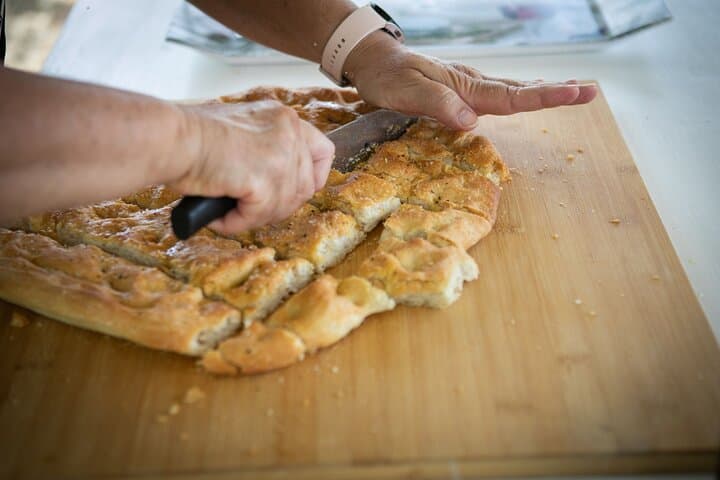
Chianti’s landscape is folded limestone and clay soils that favor olive trees and Sangiovese grapes; local farms like this one often blend small-scale saffron plots, vegetable beds, and poultry in traditional mixed agriculture. The food culture here is pragmatic: few ingredients, treated well—extra virgin olive oil, seasonal herbs, and long-practiced techniques for pasta and schiacciata. If weather allows, lunch moves outside and the vineyard breeze seems to applaud each bite.
Practical guidance: the class runs about four hours, typically starting mid-morning around 10:30. Groups are small but can be up to twenty; aprons and a recipe booklet are provided, and the menu includes appetizers, homemade pasta, bread and dessert with local wine. If you have allergies or dietary needs, request them at booking—vegetarian menus are available on request. Travel by car is easiest; expect a hilltop farm with limited public transport. Bring comfortable shoes for uneven paths and a light layer for breezy outdoor lunches. Hydrate, arrive ready to work with your hands, and plan to take home recipes you can recreate in your own kitchen.
easy.
4 hours.
Minimal fitness required—light walking on uneven farm paths and standing during cooking.
Hands-on—the itinerary specifies guests actively prepare dough, pasta shapes, breads and multiple courses rather than watching a demo.
Yes, vegetarian menus can be arranged on request; declare dietary needs at booking so the host can plan ingredients.
Ingredients, aprons, a recipe booklet, lunch with water and local wine are included per the listing.
For a full refund you must cancel at least 24 hours before the scheduled start time; otherwise the booking is non-refundable.
Chianti’s farms evolved from medieval smallholdings; many still practice mixed cultivation of grapes, olives and saffron rooted in centuries-old local traditions.
Support for small farms keeps traditional land uses alive; practice leave-no-trace on private properties and follow host guidance to minimize impact.
Cofferi1242 - Camilla Romoli operates guided outdoor trips and adventures with an emphasis on safety, stewardship, and memorable experiences.


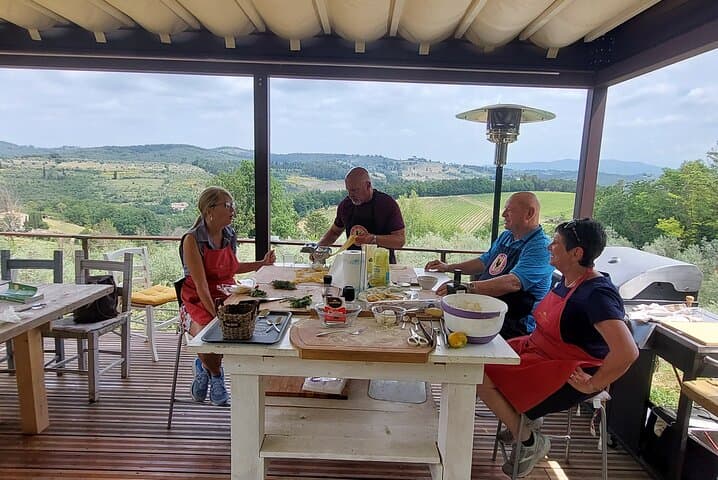
You arrive up a gravel lane and the air changes: olives and rosemary push forward with the scent of baking dough. The farm sits on a low Tuscan ridge where vineyards roll away in green bands and a simple barn opens into a bright kitchen. The host greets the group, offers aprons, and the day begins not as a demo but as a shared task—kneading dough, pressing ravioli, shaping tagliatelle.
You arrive up a gravel lane and the air changes: olives and rosemary push forward with the scent of baking dough. The farm sits on a low Tuscan ridge where vineyards roll away in green bands and a simple barn opens into a bright kitchen. The host greets the group, offers aprons, and the day begins not as a demo but as a shared task—kneading dough, pressing ravioli, shaping tagliatelle.
Chianti’s landscape is folded limestone and clay soils that favor olive trees and Sangiovese grapes; local farms like this one often blend small-scale saffron plots, vegetable beds, and poultry in traditional mixed agriculture. The food culture here is pragmatic: few ingredients, treated well—extra virgin olive oil, seasonal herbs, and long-practiced techniques for pasta and schiacciata. If weather allows, lunch moves outside and the vineyard breeze seems to applaud each bite.
Practical guidance: the class runs about four hours, typically starting mid-morning around 10:30. Groups are small but can be up to twenty; aprons and a recipe booklet are provided, and the menu includes appetizers, homemade pasta, bread and dessert with local wine. If you have allergies or dietary needs, request them at booking—vegetarian menus are available on request. Travel by car is easiest; expect a hilltop farm with limited public transport. Bring comfortable shoes for uneven paths and a light layer for breezy outdoor lunches. Hydrate, arrive ready to work with your hands, and plan to take home recipes you can recreate in your own kitchen.