THE ADVENTURE COLLECTIVE® · Independent discovery and booking for outdoor travel

Make your own beeswax candle and hand-twist rope while learning family-life skills from late 18th-century St. Augustine. This 45-minute, wheelchair-accessible experience is a hands-on introduction to colonial domestic crafts ideal for families.
Make your own beeswax candle and hand-twist rope while learning family-life skills from late 18th-century St. Augustine. This 45-minute, wheelchair-accessible experience is a hands-on introduction to colonial domestic crafts ideal for families.
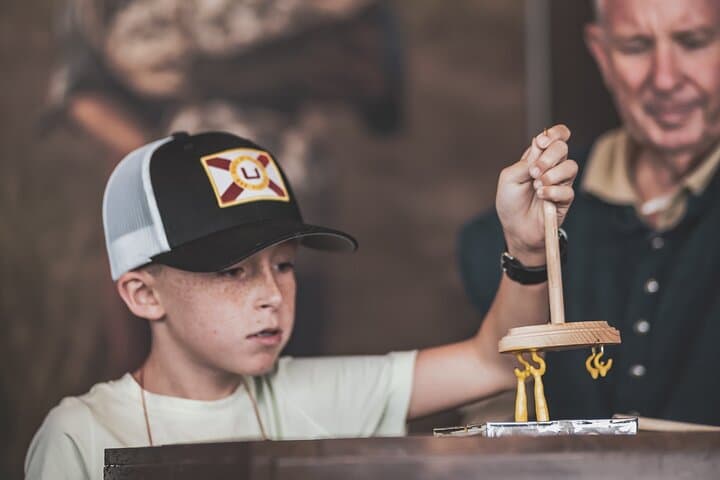
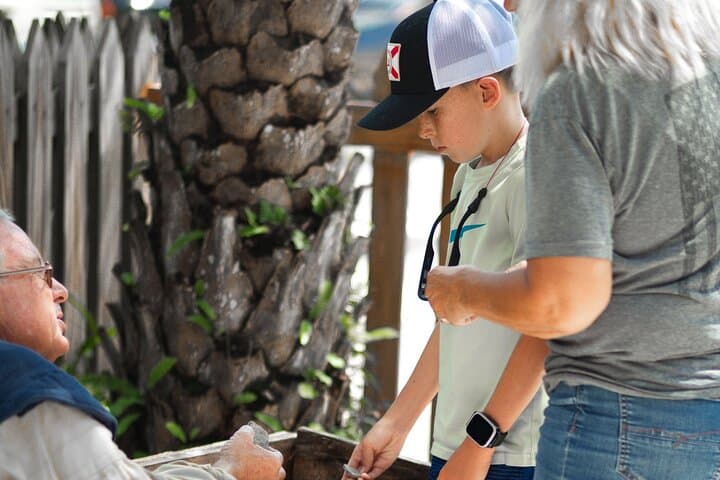
A low-ceilinged workshop hums with quiet concentration: the salt breeze from the Matanzas Bay slips in through a nearby door, tugging at loose aprons while visitors lean over tubs of warm beeswax and coils of fiber. In 45 minutes participants move from curious observers to makers — dipping candles, turning a pump drill, and feeding flax through a simple rope-making device.
Verified experiences and guided adventures in the surrounding area.
Operated by See America Tours · St. Augustine, Florida
A low-ceilinged workshop hums with quiet concentration: the salt breeze from the Matanzas Bay slips in through a nearby door, tugging at loose aprons while visitors lean over tubs of warm beeswax and coils of fiber. In 45 minutes participants move from curious observers to makers — dipping candles, turning a pump drill, and feeding flax through a simple rope-making device.
St. Augustine was founded in 1565 and carries layers of Spanish and British colonial life; the late 1700s setting showcased in this program highlights domestic crafts that kept households running. Geology shows up in the city’s coquina stone and soft tidal marshes nearby; culturally, the town is a crossroads of Spanish colonial, Native Timucua influence, and later American development.
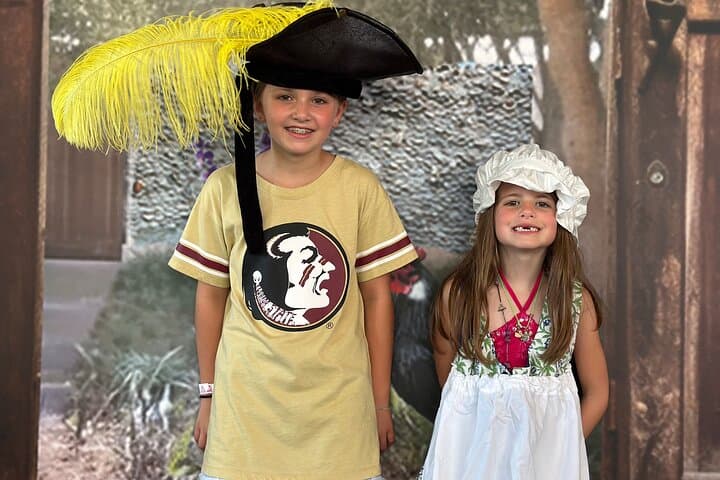
The experience places traditional tools and games on display so families can try carding wool, basic weaving, and sewing with reproduction tools. Staff explain how a rope or candle fit into daily life — from ship rigging to kitchen light. Practical notes: the program lasts about 45 minutes, accepts mobile tickets, and is wheelchair accessible. It’s an ideal stop for families, history buffs, and anyone who prefers hands-on learning to a lecture.
Plan to arrive early to use the skip-the-line access, dress in comfortable shoes for cobblestones and museum floors, and allow extra time to explore nearby colonial streets or the Castillo de San Marcos. Bring a small bag for your handmade keepsakes and a charged phone for your ticket and photos.
easy.
45 minutes.
Suitable for all fitness levels; requires light standing and fine motor activity.
The program runs about 45 minutes; allow extra time for arriving, ticketing, and visiting nearby exhibits.
Yes. Mobile or printed tickets are accepted; presenting your ticket speeds entry and preserves skip-the-line access.
Yes. Infants may sit on laps; spaces are stroller- and wheelchair-accessible and activities are family-friendly.
Participants make and take home items such as a beeswax-dipped candle and a hand-twisted length of rope created during the session.
Founded in 1565, St. Augustine is the oldest continuously inhabited European-established settlement in the continental U.S.; the program highlights domestic crafts from the late 18th century when Spanish and British influences overlapped.
Historic structures and fragile coquina require careful visitor behavior; support local museums by following pathways and avoiding flash photography on sensitive artifacts.
See America Tours operates guided outdoor trips and adventures with an emphasis on safety, stewardship, and memorable experiences.

A low-ceilinged workshop hums with quiet concentration: the salt breeze from the Matanzas Bay slips in through a nearby door, tugging at loose aprons while visitors lean over tubs of warm beeswax and coils of fiber. In 45 minutes participants move from curious observers to makers — dipping candles, turning a pump drill, and feeding flax through a simple rope-making device.
A low-ceilinged workshop hums with quiet concentration: the salt breeze from the Matanzas Bay slips in through a nearby door, tugging at loose aprons while visitors lean over tubs of warm beeswax and coils of fiber. In 45 minutes participants move from curious observers to makers — dipping candles, turning a pump drill, and feeding flax through a simple rope-making device.
St. Augustine was founded in 1565 and carries layers of Spanish and British colonial life; the late 1700s setting showcased in this program highlights domestic crafts that kept households running. Geology shows up in the city’s coquina stone and soft tidal marshes nearby; culturally, the town is a crossroads of Spanish colonial, Native Timucua influence, and later American development.
The experience places traditional tools and games on display so families can try carding wool, basic weaving, and sewing with reproduction tools. Staff explain how a rope or candle fit into daily life — from ship rigging to kitchen light. Practical notes: the program lasts about 45 minutes, accepts mobile tickets, and is wheelchair accessible. It’s an ideal stop for families, history buffs, and anyone who prefers hands-on learning to a lecture.
Plan to arrive early to use the skip-the-line access, dress in comfortable shoes for cobblestones and museum floors, and allow extra time to explore nearby colonial streets or the Castillo de San Marcos. Bring a small bag for your handmade keepsakes and a charged phone for your ticket and photos.