THE ADVENTURE COLLECTIVE® · Independent discovery and booking for outdoor travel

Learn to load and fire an 18th-century flintlock musket on a rustic New Hampshire range. This two-hour, small-group class blends hands-on drill, historical context, and supervised live firing at 25-yard targets.
Learn to load and fire an 18th-century flintlock musket on a rustic New Hampshire range. This two-hour, small-group class blends hands-on drill, historical context, and supervised live firing at 25-yard targets.
You step out of the shop into cool New England air, musket and cartridge box slung at your hip like a recruit from 1775. Pine needles crunch underfoot as your instructor—an experienced restorer and collector—walks you through the commands and the careful sequence of a flintlock drill.
Verified experiences and guided adventures in the surrounding area.
Operated by Historical Shooting Inc · Portsmouth, New Hampshire
You step out of the shop into cool New England air, musket and cartridge box slung at your hip like a recruit from 1775. Pine needles crunch underfoot as your instructor—an experienced restorer and collector—walks you through the commands and the careful sequence of a flintlock drill.
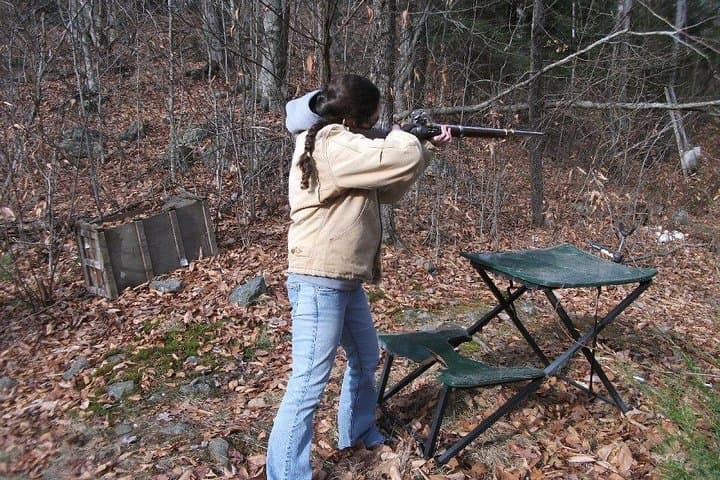
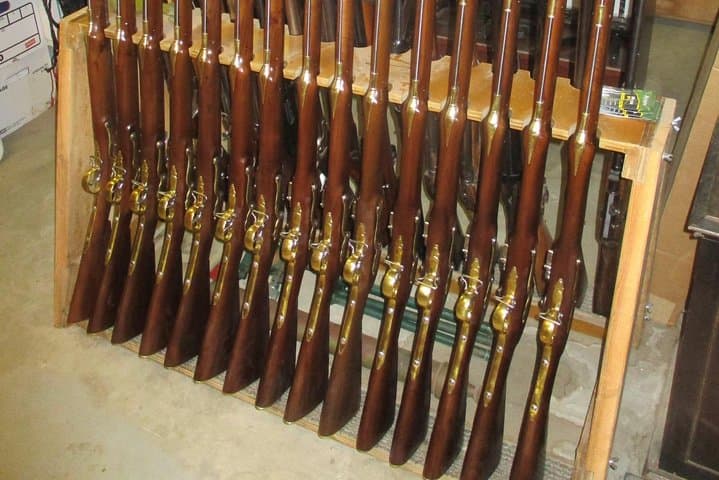
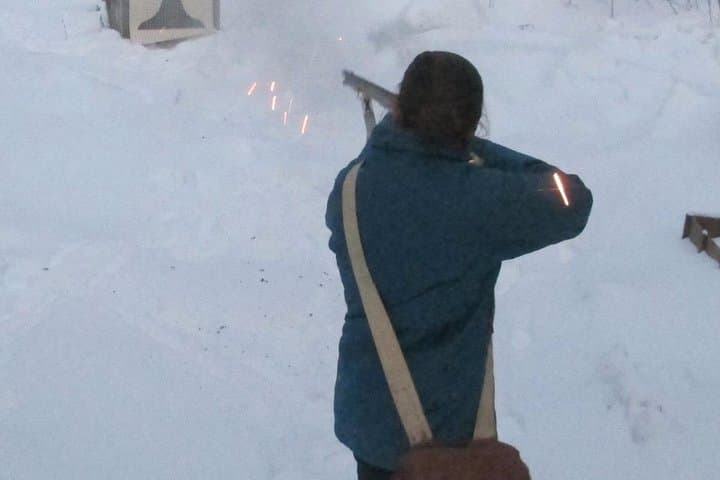
This two-hour range class places the technology of the colonial militia in sharp relief: iron and hardwood crafted to accept a pan, frizzen and slow-burning powder. The geology of southern New Hampshire—the low rolling hills, glacial erratics and mixed hardwood stands—frames the rustic range where life-sized targets sit at a straightforward 25 yards, well within a novice’s effective reach.
Culturally, the lesson goes beyond mechanics; it explains why flintlocks shaped militia tactics and frontier life, and how early American armsmithing balanced material limits with battlefield needs. Local insights touch on rural range etiquette and the New England habit of practical, hands-on history.
Practical guidance is direct: wear closed-toe shoes and layered clothing for variable weather, arrive with photo ID and any medical notes, and expect to stand and move on uneven ground. Safety gear and all firearms/equipment are provided; the group is capped at four shooters for focused instruction.
Plan for a morning or late-afternoon session to avoid the hottest hours; expect moderate physical activity—carrying gear, kneeling, and quick manual tasks during timed loading drills. The final rounds invite a friendly race against the clock—an engaging way to test the new skills you’ve just learned.
moderate.
2 hours.
Moderate: able to stand, walk short uneven trails, lift and manipulate equipment briefly
No—this experience is designed for beginners; the instructor covers all safety and loading procedures before live firing.
Yes—non-shooting spectators are welcome, but only four shooters participate to keep instruction focused and safe.
Age requirements vary; the booking process asks for age bands and dates of birth—check the operator’s policy during booking.
The operator may cancel for bad weather; for a full refund, cancel at least 24 hours before the scheduled departure per their policy.
Flintlock muskets were common militia arms in 18th-century New England; local units trained with similar single-shot muzzleloaders during colonial and Revolutionary periods.
The operator runs a small rural range—respect the area by packing out trash, following range boundaries, and minimizing noise beyond scheduled sessions to reduce wildlife disturbance.
Historical Shooting Inc operates guided outdoor trips and adventures with an emphasis on safety, stewardship, and memorable experiences.
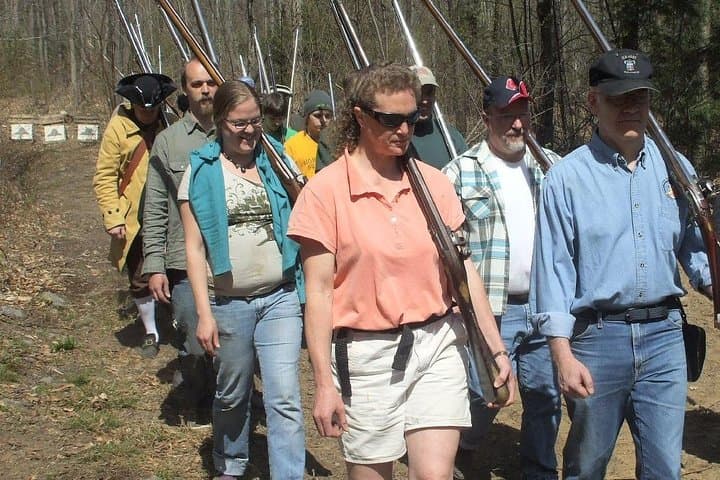
You step out of the shop into cool New England air, musket and cartridge box slung at your hip like a recruit from 1775. Pine needles crunch underfoot as your instructor—an experienced restorer and collector—walks you through the commands and the careful sequence of a flintlock drill.
You step out of the shop into cool New England air, musket and cartridge box slung at your hip like a recruit from 1775. Pine needles crunch underfoot as your instructor—an experienced restorer and collector—walks you through the commands and the careful sequence of a flintlock drill.
This two-hour range class places the technology of the colonial militia in sharp relief: iron and hardwood crafted to accept a pan, frizzen and slow-burning powder. The geology of southern New Hampshire—the low rolling hills, glacial erratics and mixed hardwood stands—frames the rustic range where life-sized targets sit at a straightforward 25 yards, well within a novice’s effective reach.
Culturally, the lesson goes beyond mechanics; it explains why flintlocks shaped militia tactics and frontier life, and how early American armsmithing balanced material limits with battlefield needs. Local insights touch on rural range etiquette and the New England habit of practical, hands-on history.
Practical guidance is direct: wear closed-toe shoes and layered clothing for variable weather, arrive with photo ID and any medical notes, and expect to stand and move on uneven ground. Safety gear and all firearms/equipment are provided; the group is capped at four shooters for focused instruction.
Plan for a morning or late-afternoon session to avoid the hottest hours; expect moderate physical activity—carrying gear, kneeling, and quick manual tasks during timed loading drills. The final rounds invite a friendly race against the clock—an engaging way to test the new skills you’ve just learned.