THE ADVENTURE COLLECTIVE® · Independent discovery and booking for outdoor travel

Step into a working coffee plantation near La Fortuna for two hours of hands-on learning: pruning, picking (in season), a tractor tour and the option to share a traditional farm meal. Expect close birdlife, river views and practical farming tasks guided by collectors and the owner.
Step into a working coffee plantation near La Fortuna for two hours of hands-on learning: pruning, picking (in season), a tractor tour and the option to share a traditional farm meal. Expect close birdlife, river views and practical farming tasks guided by collectors and the owner.
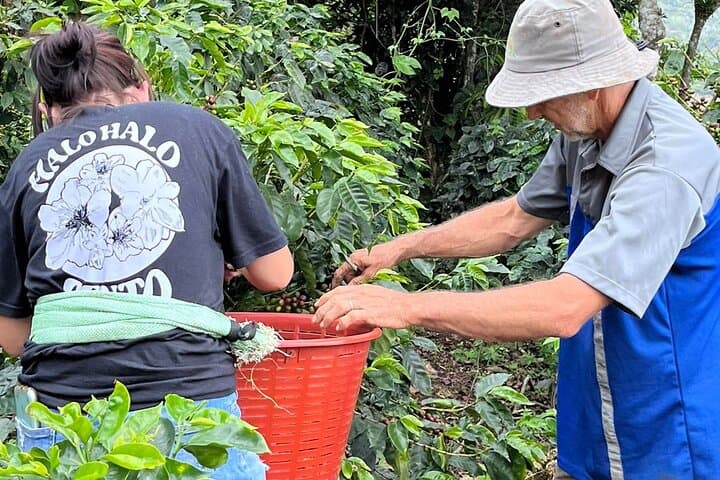
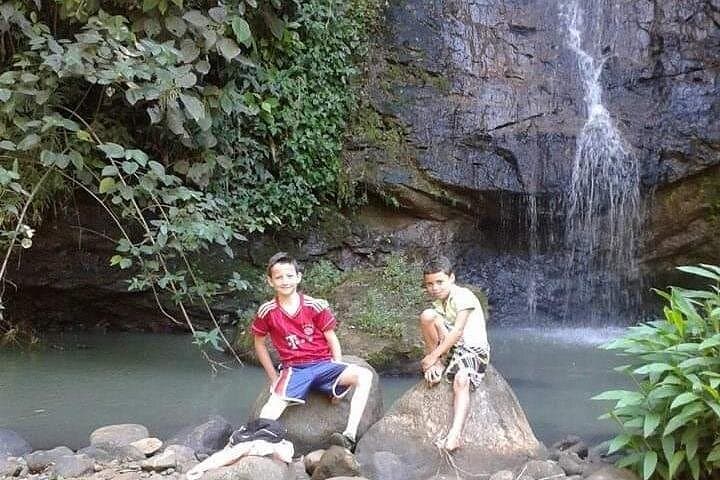
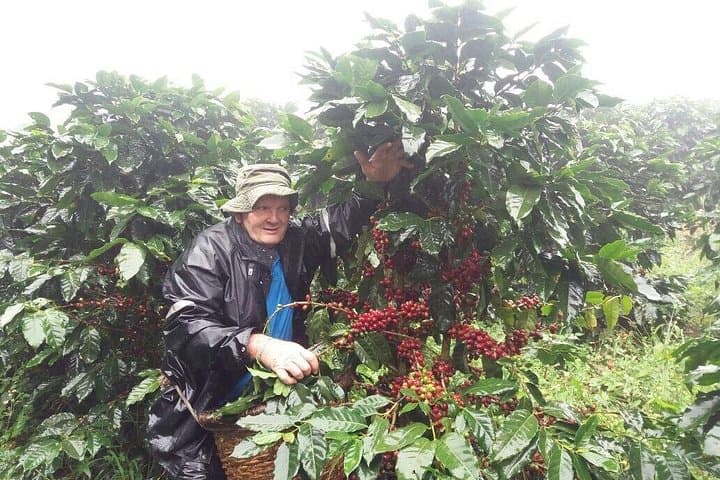
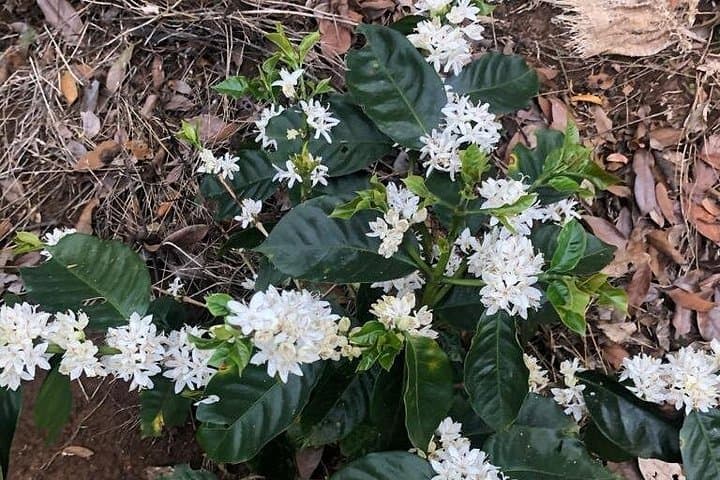
Dew clings to the coffee leaves and the river beyond the plantation calls like a quiet dare — this is the opening scene at Cabanisi, a working coffee farm a short drive from La Fortuna. Guests meet pickers and the owner, step into furrows of dark soil, and try the motions that turn green cherries into the cup: pruning, weeding, fertilizing and seasonal picking. The farm’s tractor hums through the rows and a small waterfall nearby gives the valley its slow percussion.
Verified experiences and guided adventures in the surrounding area.
Operated by Tico Trails · La Fortuna, Alajuela
Dew clings to the coffee leaves and the river beyond the plantation calls like a quiet dare — this is the opening scene at Cabanisi, a working coffee farm a short drive from La Fortuna. Guests meet pickers and the owner, step into furrows of dark soil, and try the motions that turn green cherries into the cup: pruning, weeding, fertilizing and seasonal picking. The farm’s tractor hums through the rows and a small waterfall nearby gives the valley its slow percussion.
Costa Rica’s coffee history stretches back to the 19th century, and in Alajuela province that history is visible in terraces, processing halls and family-run plots. Geologically the area is volcanic, with rich, well‑drained soils that favor Arabica varieties; culturally, farms preserve traditional processing methods alongside small-scale mechanization. Birdlife is abundant in shade trees — hummingbirds and toucans are common — and the river that threads the property shapes both irrigation and the farm’s sense of place.
Practical guidance: plan for about two hours on varied, sometimes muddy terrain; wear closed-toe shoes and bring sun and rain protection depending on the season. If you want a fuller visit, reserve the farm lunch or breakfast in advance. The tour is participatory but not strenuous — expect stooping, light lifting and walking across uneven ground. Bring a refillable water bottle, insect repellent and a camera for close-up shots of processing and birds. Check pickup options when booking and confirm if you want the tractor walk to the coffee hall. For anyone who enjoys hands-on learning and rural rhythms, this short farm visit packs a clear, tactile introduction to how coffee is grown, handled and celebrated in Costa Rica.
easy.
2 hours.
Light activity: able to walk short distances, bend, and perform basic farm tasks; suitable for most active adults and older children with supervision.
The farm offers breakfast or a traditional Costa Rican lunch on request; confirm and reserve meals when booking.
Pickup arrangements may be available — the booking form includes a pickup point field, so verify options with the operator before arrival.
Yes, children can participate but bookings request age information; expect bending and light lifting and provide supervision for younger kids.
Picking is seasonal; you can participate in harvest tasks when cherries are ripe — ask the operator about current crop stage before booking.
Coffee cultivation has shaped rural Costa Rican economy since the 1800s; family farms near La Fortuna often mix traditional processing with small-scale modernization.
Many local farms practice shade-grown coffee and protect riparian corridors; visitors should stay on paths, avoid disturbing wildlife and follow farm waste guidelines.
Tico Trails operates guided outdoor trips and adventures with an emphasis on safety, stewardship, and memorable experiences.
Dew clings to the coffee leaves and the river beyond the plantation calls like a quiet dare — this is the opening scene at Cabanisi, a working coffee farm a short drive from La Fortuna. Guests meet pickers and the owner, step into furrows of dark soil, and try the motions that turn green cherries into the cup: pruning, weeding, fertilizing and seasonal picking. The farm’s tractor hums through the rows and a small waterfall nearby gives the valley its slow percussion.
Dew clings to the coffee leaves and the river beyond the plantation calls like a quiet dare — this is the opening scene at Cabanisi, a working coffee farm a short drive from La Fortuna. Guests meet pickers and the owner, step into furrows of dark soil, and try the motions that turn green cherries into the cup: pruning, weeding, fertilizing and seasonal picking. The farm’s tractor hums through the rows and a small waterfall nearby gives the valley its slow percussion.
Costa Rica’s coffee history stretches back to the 19th century, and in Alajuela province that history is visible in terraces, processing halls and family-run plots. Geologically the area is volcanic, with rich, well‑drained soils that favor Arabica varieties; culturally, farms preserve traditional processing methods alongside small-scale mechanization. Birdlife is abundant in shade trees — hummingbirds and toucans are common — and the river that threads the property shapes both irrigation and the farm’s sense of place.
Practical guidance: plan for about two hours on varied, sometimes muddy terrain; wear closed-toe shoes and bring sun and rain protection depending on the season. If you want a fuller visit, reserve the farm lunch or breakfast in advance. The tour is participatory but not strenuous — expect stooping, light lifting and walking across uneven ground. Bring a refillable water bottle, insect repellent and a camera for close-up shots of processing and birds. Check pickup options when booking and confirm if you want the tractor walk to the coffee hall. For anyone who enjoys hands-on learning and rural rhythms, this short farm visit packs a clear, tactile introduction to how coffee is grown, handled and celebrated in Costa Rica.