THE ADVENTURE COLLECTIVE® · Independent discovery and booking for outdoor travel

Spend two hours at a local roaster near Playas del Coco learning traditional coffee and chocolate techniques. Grind beans by hand, tour the plants, and sample hot and cold drinks paired with a light local meal.
Spend two hours at a local roaster near Playas del Coco learning traditional coffee and chocolate techniques. Grind beans by hand, tour the plants, and sample hot and cold drinks paired with a light local meal.
You step off the main road and into a small working roaster where steam and roasted sugar hang in the air, the Pacific breeze carrying faint floral notes from nearby trees. In Playas del Coco the tour moves at a slow, tactile pace: you handle beans and nibs, grind by hand in the traditional Costa Rican style, and taste beverages that shift from bright and acidic to deep and chocolatey.
Verified experiences and guided adventures in the surrounding area.
Operated by Seven Sense Costa Rica · Playas del Coco, Guanacaste
You step off the main road and into a small working roaster where steam and roasted sugar hang in the air, the Pacific breeze carrying faint floral notes from nearby trees. In Playas del Coco the tour moves at a slow, tactile pace: you handle beans and nibs, grind by hand in the traditional Costa Rican style, and taste beverages that shift from bright and acidic to deep and chocolatey.
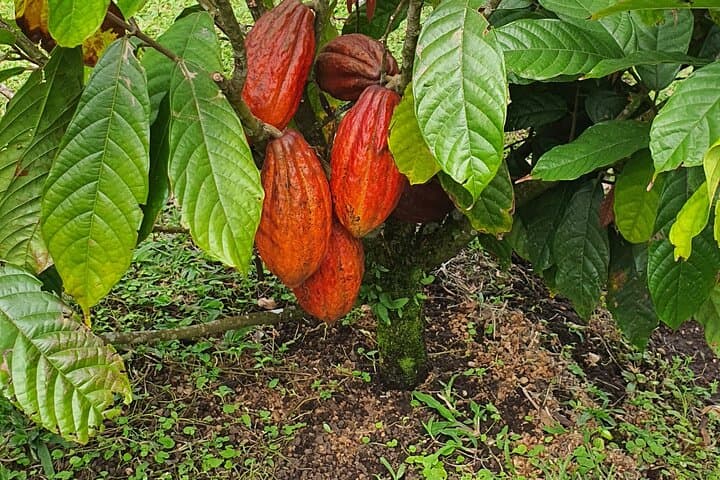
Coffee and cacao are woven into Costa Rica’s modern story. Coffee drove 19th-century export growth, while cacao has pre-Columbian roots; both thrive where volcanic and alluvial soils meet the drier coastal zone of Guanacaste. The farm visit highlights roasting techniques, varietal differences, and the on-site plants—seedlings, flowers, and the fruit that becomes the tradeable product.
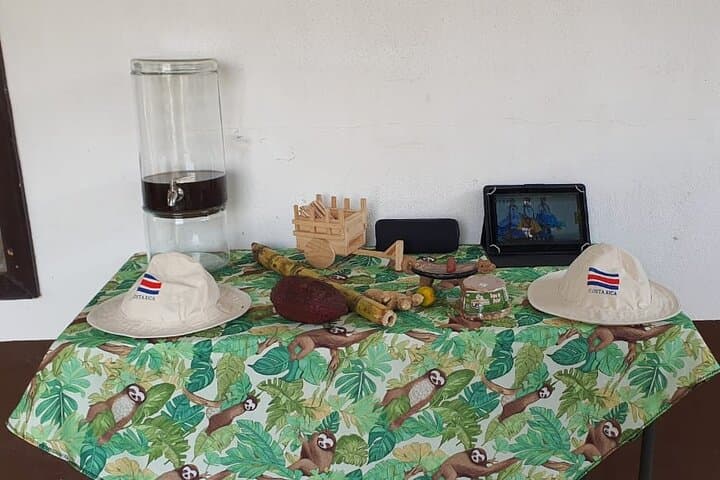
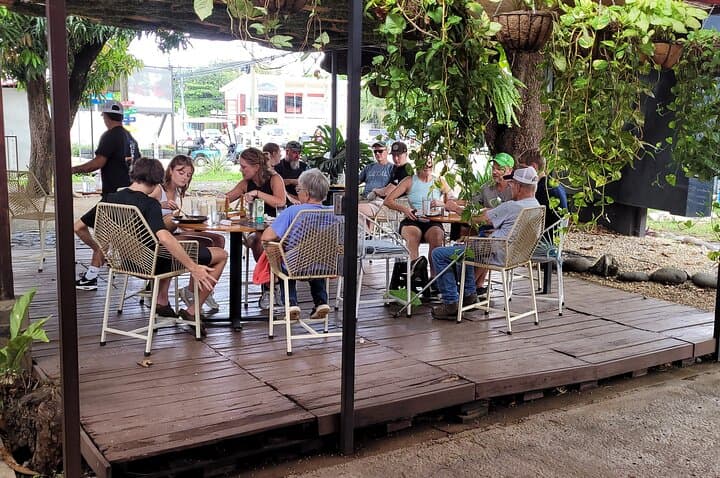
Beyond technique, the experience is cultural: expect to learn how a chorreador or small roaster influences flavor, and why local cafés pair coffee with simple casado-style dishes. The setting is informal and accessible—flat paths, shaded tasting areas, and interactive stations where you make your own cup and grind chocolate with traditional tools.
Practical guidance: the experience runs about two hours with multiple tastings and a light meal option; arrive hydrated and prepared for warm sun and occasional shade. Wear closed-toe shoes for the roastery floor, bring sunscreen and a reusable bottle, and plan transport—pickups may be arranged depending on your hotel. This is a compact, sensory-focused tour ideal for travelers who want a quick, hands-on introduction to Costa Rican coffee and chocolate without a long drive from town.
easy.
2 hours.
Suitable for most fitness levels; requires brief standing and light walking during the roastery and plant tour.
The experience lasts approximately two hours and includes guided roaster and plant visits, hands-on grinding and brewing, multiple tastings, and a traditional breakfast or lunch option.
Yes—areas are stroller- and wheelchair-accessible and the tour is rated easy; contact the operator for specific accessibility or infant-seat needs.
Yes—artisanal products and freshly roasted beans are typically available for purchase so you can take home the flavors you liked.
Transport can be coordinated if required; verify pickup details with the operator at booking since distances from hotels vary from 20 minutes to about an hour.
Coffee production shaped Costa Rica’s 19th-century economy and rural landscapes; cacao was cultivated in the region long before European contact and informs local flavors.
Small farms often practice selective harvesting and shade-grown methods; support responsible producers who prioritize soil health and reduced chemical use.
Seven Sense Costa Rica operates guided outdoor trips and adventures with an emphasis on safety, stewardship, and memorable experiences.
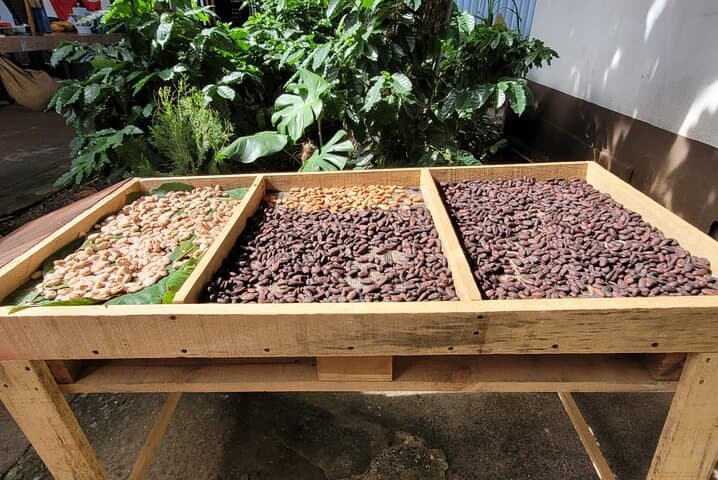
You step off the main road and into a small working roaster where steam and roasted sugar hang in the air, the Pacific breeze carrying faint floral notes from nearby trees. In Playas del Coco the tour moves at a slow, tactile pace: you handle beans and nibs, grind by hand in the traditional Costa Rican style, and taste beverages that shift from bright and acidic to deep and chocolatey.
You step off the main road and into a small working roaster where steam and roasted sugar hang in the air, the Pacific breeze carrying faint floral notes from nearby trees. In Playas del Coco the tour moves at a slow, tactile pace: you handle beans and nibs, grind by hand in the traditional Costa Rican style, and taste beverages that shift from bright and acidic to deep and chocolatey.
Coffee and cacao are woven into Costa Rica’s modern story. Coffee drove 19th-century export growth, while cacao has pre-Columbian roots; both thrive where volcanic and alluvial soils meet the drier coastal zone of Guanacaste. The farm visit highlights roasting techniques, varietal differences, and the on-site plants—seedlings, flowers, and the fruit that becomes the tradeable product.
Beyond technique, the experience is cultural: expect to learn how a chorreador or small roaster influences flavor, and why local cafés pair coffee with simple casado-style dishes. The setting is informal and accessible—flat paths, shaded tasting areas, and interactive stations where you make your own cup and grind chocolate with traditional tools.
Practical guidance: the experience runs about two hours with multiple tastings and a light meal option; arrive hydrated and prepared for warm sun and occasional shade. Wear closed-toe shoes for the roastery floor, bring sunscreen and a reusable bottle, and plan transport—pickups may be arranged depending on your hotel. This is a compact, sensory-focused tour ideal for travelers who want a quick, hands-on introduction to Costa Rican coffee and chocolate without a long drive from town.