THE ADVENTURE COLLECTIVE® · Independent discovery and booking for outdoor travel

Spend 2.5 hours at a family-run farm near Arenal learning to roast coffee, process cacao and taste both fresh from the source. This hands-on experience pairs volcanic soils and local know-how for a practical, sensory tour.
Spend 2.5 hours at a family-run farm near Arenal learning to roast coffee, process cacao and taste both fresh from the source. This hands-on experience pairs volcanic soils and local know-how for a practical, sensory tour.
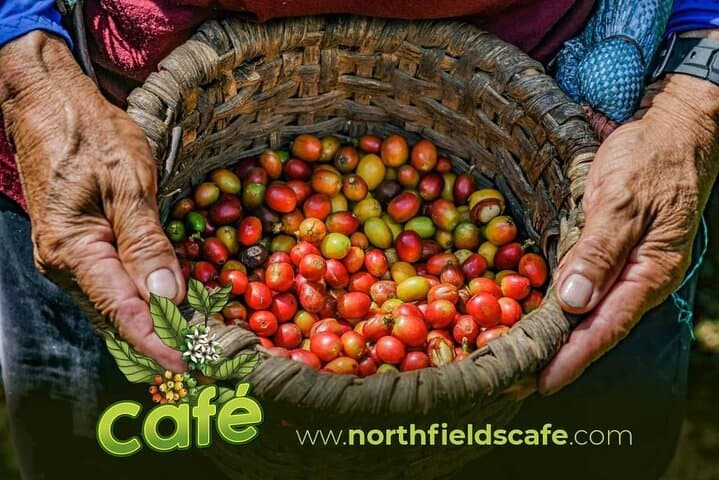
You step off the minivan into humid air rich with roasted beans and the green bite of cacao pods, Arenal's cone a distant, watchful shape behind a band of cloud. North Fields Cafe sits on a working farm where family members guide a small group through the processes that turn cherry into chocolate and bean into brew.
Verified experiences and guided adventures in the surrounding area.
Operated by North Fields Coffee and Chocolate · La Fortuna, Alajuela
You step off the minivan into humid air rich with roasted beans and the green bite of cacao pods, Arenal's cone a distant, watchful shape behind a band of cloud. North Fields Cafe sits on a working farm where family members guide a small group through the processes that turn cherry into chocolate and bean into brew.
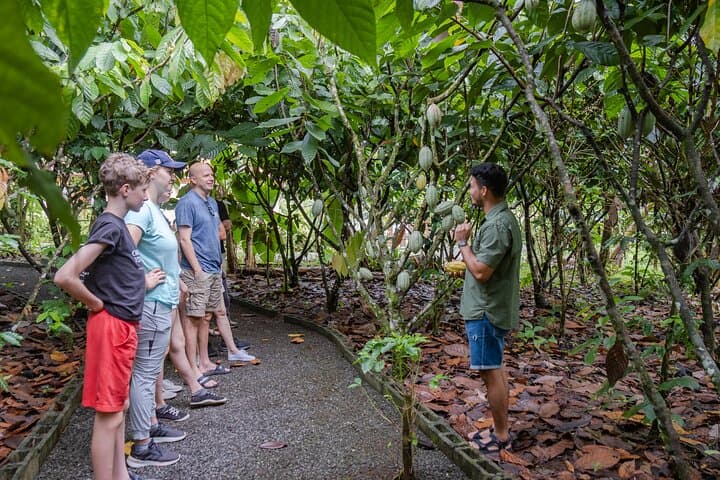
The region's volcanic soils—young, mineral-rich and well drained—help explain why coffee and cacao thrive here. Coffee cultivation in Costa Rica dates back to the early 19th century and helped build the country's rural economy; cacao carries an even older story, used pre‑Columbian and reintroduced commercially in the colonial era. At the farm you'll see both history and geology at work: shaded rows, terraced beds and a patchwork of processing patios where fermentation and drying reveal subtle flavor shifts.
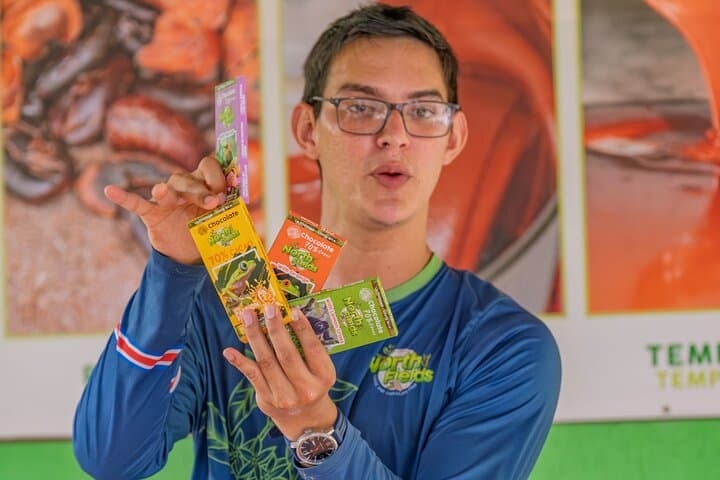
Culturally, the visit blends hands-on craft with local hospitality: you roast, grind and taste, then stir melted bean into tempered chocolate. Guides explain harvest timing, roast profiles and why sugar cane still appears as a roadside treat.
Practically, the program is 2.5 hours, suitable for all fitness levels and run by a family operation that offers hotel pickup within about 15 minutes of La Fortuna. Wear closed-toe shoes for uneven farm paths, bring a light rain layer (tropics are fickle), and plan for cash if you want extra souvenirs. Expect interactive learning, multiple tastings and clear explanation of how Arenal's earth helps shape what ends up in your cup and on your palate.
easy.
2–3 hours.
Suitable for all fitness levels; minimal walking on uneven farm terrain.
The program runs about 150 minutes (approximately 2.5 hours) and includes hands-on roasting, chocolate making and tastings.
Yes—hotel pickup and drop-off are provided for hotels around La Fortuna, generally within a 15‑minute transfer.
Yes; the tour is family-friendly and suitable for all fitness levels, though small children should be supervised during hands-on activities.
Guides can usually accommodate common dietary needs; indicate restrictions when booking so the team can prepare alternatives.
Coffee became a major export in 19th-century Costa Rica and spurred rural development; cacao has pre‑Columbian roots and a revived specialty market today.
Small farms here often practice shade-grown coffee and agroforestry that supports biodiversity and reduces soil erosion on volcanic slopes.
North Fields Coffee and Chocolate operates guided outdoor trips and adventures with an emphasis on safety, stewardship, and memorable experiences.
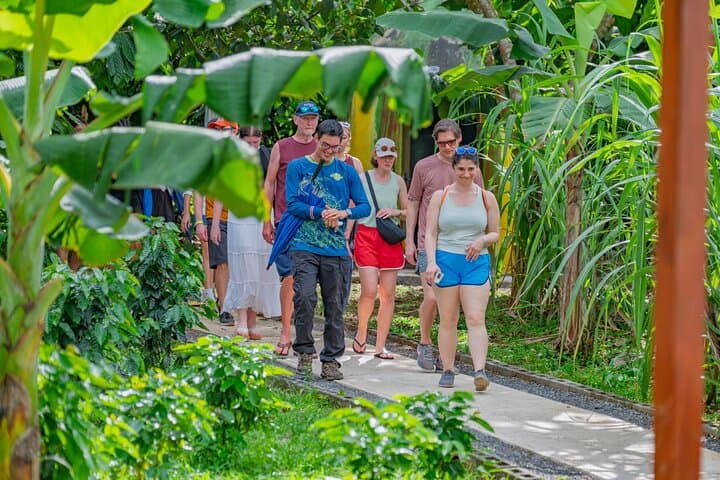
You step off the minivan into humid air rich with roasted beans and the green bite of cacao pods, Arenal's cone a distant, watchful shape behind a band of cloud. North Fields Cafe sits on a working farm where family members guide a small group through the processes that turn cherry into chocolate and bean into brew.
You step off the minivan into humid air rich with roasted beans and the green bite of cacao pods, Arenal's cone a distant, watchful shape behind a band of cloud. North Fields Cafe sits on a working farm where family members guide a small group through the processes that turn cherry into chocolate and bean into brew.
The region's volcanic soils—young, mineral-rich and well drained—help explain why coffee and cacao thrive here. Coffee cultivation in Costa Rica dates back to the early 19th century and helped build the country's rural economy; cacao carries an even older story, used pre‑Columbian and reintroduced commercially in the colonial era. At the farm you'll see both history and geology at work: shaded rows, terraced beds and a patchwork of processing patios where fermentation and drying reveal subtle flavor shifts.
Culturally, the visit blends hands-on craft with local hospitality: you roast, grind and taste, then stir melted bean into tempered chocolate. Guides explain harvest timing, roast profiles and why sugar cane still appears as a roadside treat.
Practically, the program is 2.5 hours, suitable for all fitness levels and run by a family operation that offers hotel pickup within about 15 minutes of La Fortuna. Wear closed-toe shoes for uneven farm paths, bring a light rain layer (tropics are fickle), and plan for cash if you want extra souvenirs. Expect interactive learning, multiple tastings and clear explanation of how Arenal's earth helps shape what ends up in your cup and on your palate.