THE ADVENTURE COLLECTIVE® · Independent discovery and booking for outdoor travel

Turn raw Nicaraguan cacao into your own chocolate bar in a two-hour, hands-on workshop in Granada. Learn historical context, taste traditional cocoa beverages, and leave with a handmade treat and practical knowledge of artisanal chocolate-making.
Turn raw Nicaraguan cacao into your own chocolate bar in a two-hour, hands-on workshop in Granada. Learn historical context, taste traditional cocoa beverages, and leave with a handmade treat and practical knowledge of artisanal chocolate-making.
The workshop room smells of toasted beans and warm spice; sunlight from colonial windows slants across a table where cacao nibs wait like small, impatient storytellers. Here in Granada, you don an apron and move through the steps—roasting, winnowing, grinding—until soft, glossy chocolate emerges under your hands.
Verified experiences and guided adventures in the surrounding area.
Operated by Vapues Travel · Granada, Granada
The workshop room smells of toasted beans and warm spice; sunlight from colonial windows slants across a table where cacao nibs wait like small, impatient storytellers. Here in Granada, you don an apron and move through the steps—roasting, winnowing, grinding—until soft, glossy chocolate emerges under your hands.
Granada’s cobbled streets and Spanish-colonial facades recall a 16th-century founding by Spanish settlers, and cacao’s role predates them: indigenous communities in Central America used cacao as currency, medicine, and ceremonial drink. The beans you handle are descendants of that legacy and carry the volcanic soils and tropical humidity of Nicaragua—elements that shape flavor as surely as any mill.
The class combines cultural context with sensory practice: instructors explain local farming practices and the differences between criollo and other varietals, demonstrate traditional chocolate beverages, and guide you to craft a small bar. Conversation often touches on the region’s artisanal revival and partnerships with family farms.
Practical guidance: expect two hours of hands-on activity in a small group (up to 10), suitable for families and beginners. Wear comfortable clothes that can handle a splash of cocoa butter; bring a small bag for your finished bar. The workshop typically includes tasting and return to hotel pickup if arranged.
Timing matters—mornings are cooler and less humid, while late afternoons can feel heavy with tropical humidity. If you want deeper context, pair the visit with a morning at the municipal market or a short boat trip to Las Isletas to see how local livelihoods connect back to the cacao trade.
easy.
2 hours.
Suitable for all fitness levels; mostly standing and light manual tasks
Yes—children are welcome but must be accompanied by an adult; activities are family-oriented and age-appropriate.
Yes—participants leave with a small handmade chocolate bar and samples tasted during the session.
Hotel pickup and drop-off are available—select your pickup point when booking or confirm with the operator in advance.
Inform the operator of allergies or dietary needs at booking; they typically can adapt recipes or provide alternatives.
Granada was founded in 1524 and became an early colonial trade hub; cacao was a valued crop long before European contact and remains culturally significant.
Many small workshops emphasize organic or sustainably sourced cacao; support experiences that pay farmers fairly and minimize single-use packaging.
Vapues Travel operates guided outdoor trips and adventures with an emphasis on safety, stewardship, and memorable experiences.
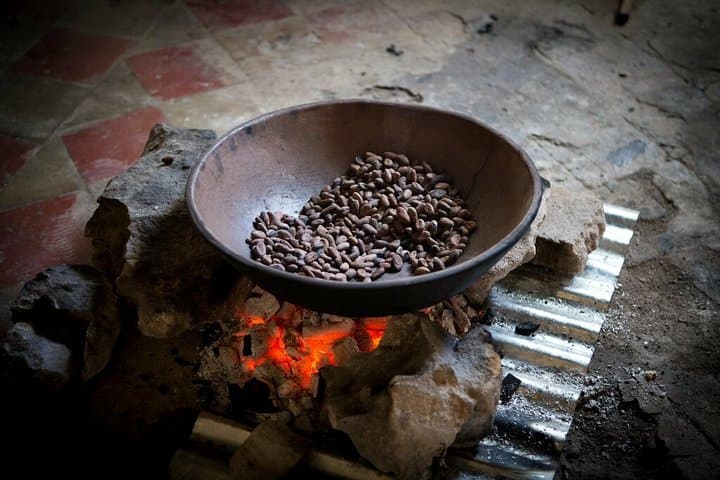
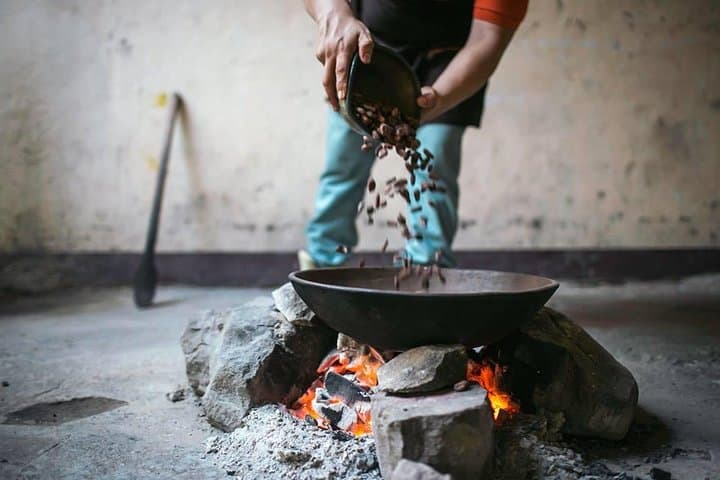
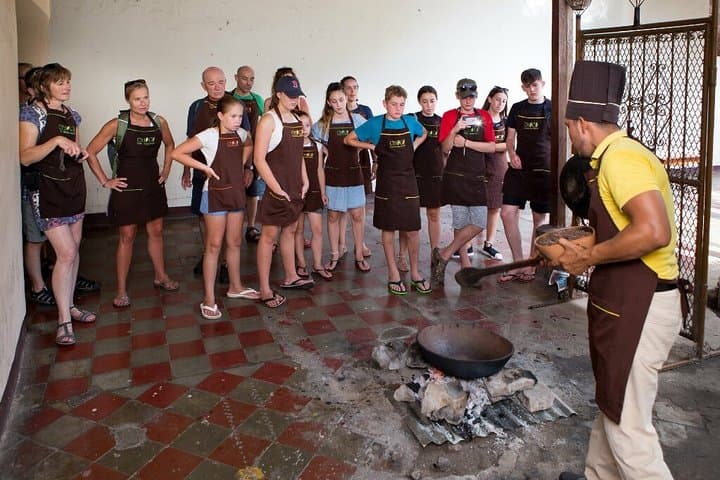
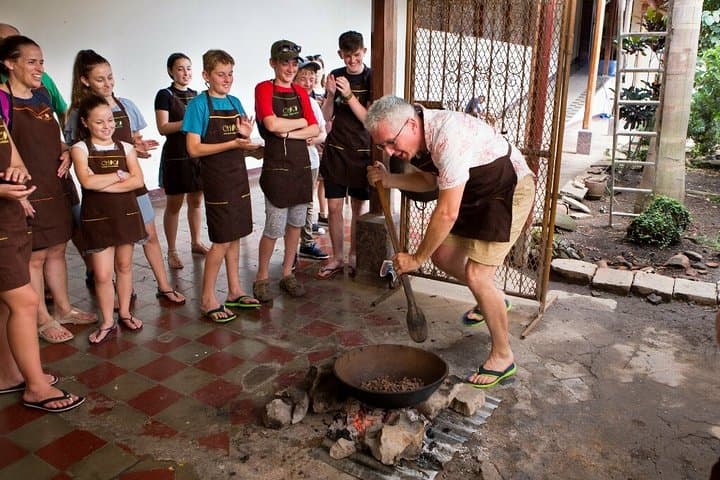
The workshop room smells of toasted beans and warm spice; sunlight from colonial windows slants across a table where cacao nibs wait like small, impatient storytellers. Here in Granada, you don an apron and move through the steps—roasting, winnowing, grinding—until soft, glossy chocolate emerges under your hands.
The workshop room smells of toasted beans and warm spice; sunlight from colonial windows slants across a table where cacao nibs wait like small, impatient storytellers. Here in Granada, you don an apron and move through the steps—roasting, winnowing, grinding—until soft, glossy chocolate emerges under your hands.
Granada’s cobbled streets and Spanish-colonial facades recall a 16th-century founding by Spanish settlers, and cacao’s role predates them: indigenous communities in Central America used cacao as currency, medicine, and ceremonial drink. The beans you handle are descendants of that legacy and carry the volcanic soils and tropical humidity of Nicaragua—elements that shape flavor as surely as any mill.
The class combines cultural context with sensory practice: instructors explain local farming practices and the differences between criollo and other varietals, demonstrate traditional chocolate beverages, and guide you to craft a small bar. Conversation often touches on the region’s artisanal revival and partnerships with family farms.
Practical guidance: expect two hours of hands-on activity in a small group (up to 10), suitable for families and beginners. Wear comfortable clothes that can handle a splash of cocoa butter; bring a small bag for your finished bar. The workshop typically includes tasting and return to hotel pickup if arranged.
Timing matters—mornings are cooler and less humid, while late afternoons can feel heavy with tropical humidity. If you want deeper context, pair the visit with a morning at the municipal market or a short boat trip to Las Isletas to see how local livelihoods connect back to the cacao trade.