THE ADVENTURE COLLECTIVE® · Independent discovery and booking for outdoor travel

Make chocolate from bean to bar in a compact, hands-on factory workshop in San José. Taste raw cocoa, sample bars at different percentages, and craft your own chocolates to take home.
Make chocolate from bean to bar in a compact, hands-on factory workshop in San José. Taste raw cocoa, sample bars at different percentages, and craft your own chocolates to take home.
The factory door opens to warm air scented with roasted cocoa; workbenches gleam with metal molds and rows of tins holding local fillings. In two hours you move from tasting fresh cocoa fruit to tempering chocolate, guided by artisans who narrate the process with practiced hands. The room hums—tampered chocolate sets, spatulas scrape, and small groups experiment with fillings that speak of Costa Rica: coffee dust, toasted coconut, and tart tropical fruit.
Verified experiences and guided adventures in the surrounding area.
Operated by Tapir Chocolates · San José, San José
The factory door opens to warm air scented with roasted cocoa; workbenches gleam with metal molds and rows of tins holding local fillings. In two hours you move from tasting fresh cocoa fruit to tempering chocolate, guided by artisans who narrate the process with practiced hands. The room hums—tampered chocolate sets, spatulas scrape, and small groups experiment with fillings that speak of Costa Rica: coffee dust, toasted coconut, and tart tropical fruit.
Cacao arrived in Central America long before colonial trade routes, used by indigenous peoples and later cultivated during the Republic era. Costa Rica’s volcanic soils and microclimates produce distinct flavor notes—bitter cocoa, citrus brightness, and nutty undertones—that local chocolatiers emphasize in single-origin samplings. In San José the factory sits amid an urban mix of early-20th-century architecture and new cafes, so the experience blends industrial craft with city culture.
Expect a structured flow: tasting raw and processed beans, sampling chocolate at different cocoa percentages, then hands-on molding and decorating with provided materials and eco-friendly packaging. Practicalities matter—book in advance (max ~12 guests), bring a camera for process shots, and plan for about two hours including tasting.
For food-sensitive travelers, declare allergies when booking; most workshops can accommodate peanut or dairy concerns but confirm ahead. Wear comfortable shoes and clothes that can tolerate a little cocoa dust. The session is wheelchair accessible and suitable for curious adults and older children. Leave with chocolates you made and a firmer sense of how Costa Rican cocoa moves from bean to bar—direct, tactile, and surprisingly local.
easy.
2 hours.
Minimal physical exertion; suitable for most adults and older children who can stand for short periods.
The session runs about 120 minutes and includes tastings plus hands-on chocolate making and packaging.
Yes—information indicates wheelchair and stroller accessibility throughout the facility.
Older children who can follow instructions are welcome; verify minimum age or booking rules when reserving.
Full refund if you cancel at least 24 hours before the scheduled time; check the operator’s policy for exceptions.
Cacao was used by indigenous communities long before European contact; plantation and artisanal traditions evolved under colonial and republican economies, influencing modern Costa Rican chocolate craft.
Many Costa Rican chocolatiers partner with sustainable cacao growers; workshops often emphasize traceability and use eco-friendly packaging to reduce waste.
Tapir Chocolates operates guided outdoor trips and adventures with an emphasis on safety, stewardship, and memorable experiences.
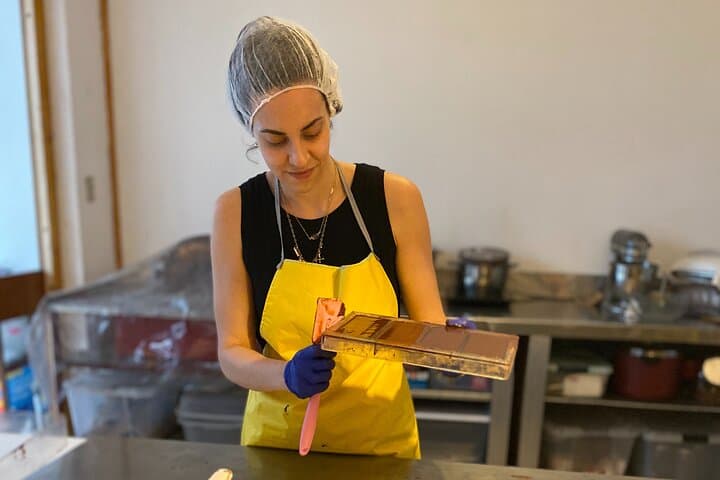
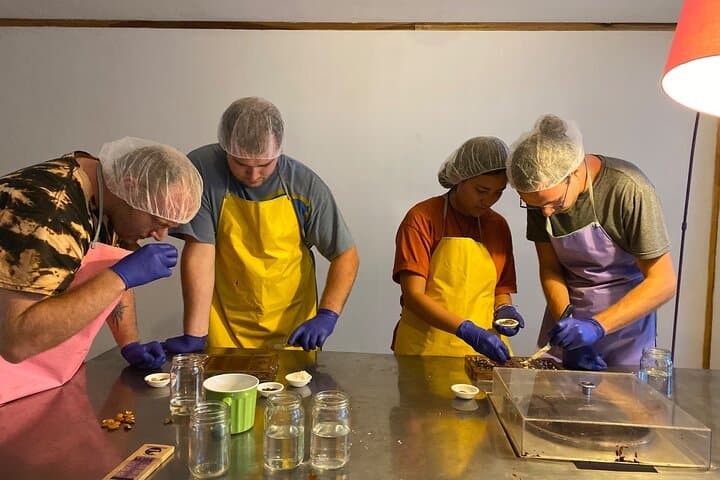
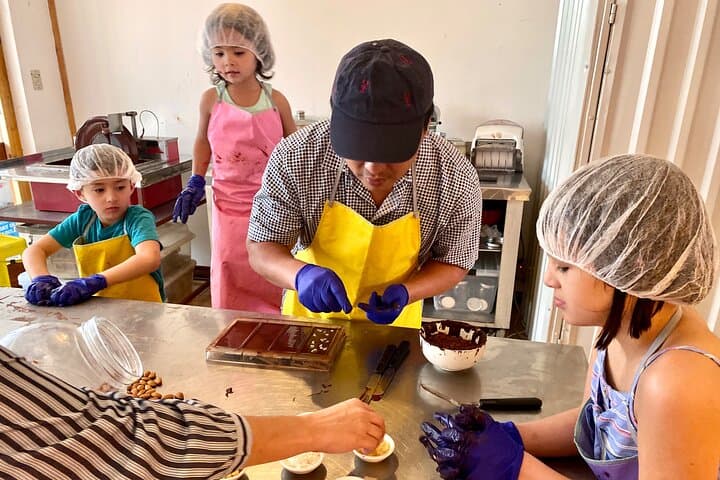
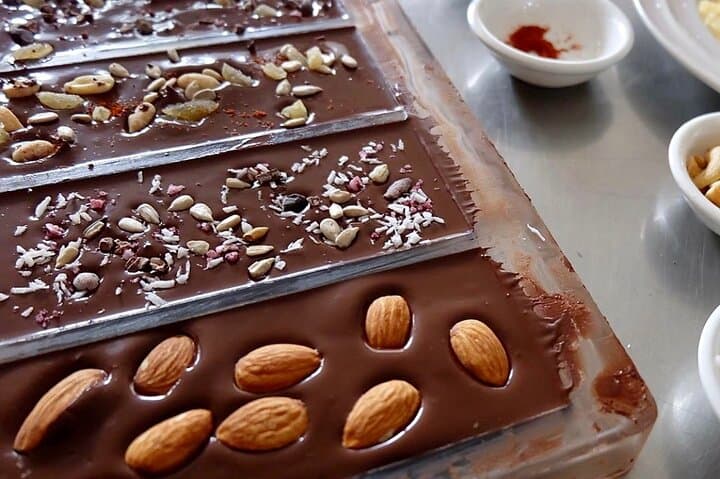
The factory door opens to warm air scented with roasted cocoa; workbenches gleam with metal molds and rows of tins holding local fillings. In two hours you move from tasting fresh cocoa fruit to tempering chocolate, guided by artisans who narrate the process with practiced hands. The room hums—tampered chocolate sets, spatulas scrape, and small groups experiment with fillings that speak of Costa Rica: coffee dust, toasted coconut, and tart tropical fruit.
The factory door opens to warm air scented with roasted cocoa; workbenches gleam with metal molds and rows of tins holding local fillings. In two hours you move from tasting fresh cocoa fruit to tempering chocolate, guided by artisans who narrate the process with practiced hands. The room hums—tampered chocolate sets, spatulas scrape, and small groups experiment with fillings that speak of Costa Rica: coffee dust, toasted coconut, and tart tropical fruit.
Cacao arrived in Central America long before colonial trade routes, used by indigenous peoples and later cultivated during the Republic era. Costa Rica’s volcanic soils and microclimates produce distinct flavor notes—bitter cocoa, citrus brightness, and nutty undertones—that local chocolatiers emphasize in single-origin samplings. In San José the factory sits amid an urban mix of early-20th-century architecture and new cafes, so the experience blends industrial craft with city culture.
Expect a structured flow: tasting raw and processed beans, sampling chocolate at different cocoa percentages, then hands-on molding and decorating with provided materials and eco-friendly packaging. Practicalities matter—book in advance (max ~12 guests), bring a camera for process shots, and plan for about two hours including tasting.
For food-sensitive travelers, declare allergies when booking; most workshops can accommodate peanut or dairy concerns but confirm ahead. Wear comfortable shoes and clothes that can tolerate a little cocoa dust. The session is wheelchair accessible and suitable for curious adults and older children. Leave with chocolates you made and a firmer sense of how Costa Rican cocoa moves from bean to bar—direct, tactile, and surprisingly local.