THE ADVENTURE COLLECTIVE® · Independent discovery and booking for outdoor travel

Walk cacao rows near Arenal, roast and grind beans, then craft your own bonbons in this 1 hour 45 minute hands-on tour. Expect farm paths, hands-on stations and a tasting finale that connects volcanic soil to chocolate flavor.
Walk cacao rows near Arenal, roast and grind beans, then craft your own bonbons in this 1 hour 45 minute hands-on tour. Expect farm paths, hands-on stations and a tasting finale that connects volcanic soil to chocolate flavor.
The morning air carries the sharp, green scent of cocoa pods and the distant silhouette of Arenal watches like a quiet guardian. Under a canopy of broad leaves you walk between rows of cacao trees, palms dripping with dew, as a guide points out flowers, ripe pods and the slow, sun-driven fermentation that turns bean to flavor.
Verified experiences and guided adventures in the surrounding area.
Operated by Eden Chocolate Tour · La Fortuna, Alajuela
The morning air carries the sharp, green scent of cocoa pods and the distant silhouette of Arenal watches like a quiet guardian. Under a canopy of broad leaves you walk between rows of cacao trees, palms dripping with dew, as a guide points out flowers, ripe pods and the slow, sun-driven fermentation that turns bean to flavor.
Cacao in Costa Rica has a long local history: indigenous peoples used cacao for rituals and trade, and today small organic farms reviving heirloom varieties are part of a regional push toward sustainable agriculture. Geologically, the volcanic soils around La Fortuna are rich in minerals that help cocoa trees flourish; culturally, the tour ties those soils to local recipes and hands-on techniques passed from harvest to table.
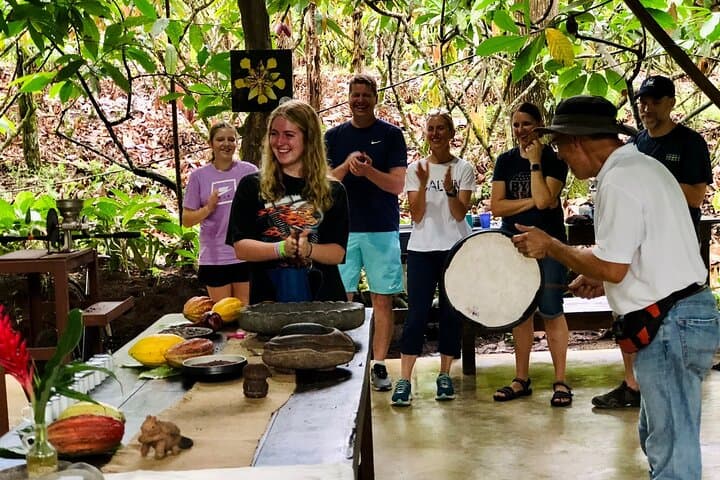
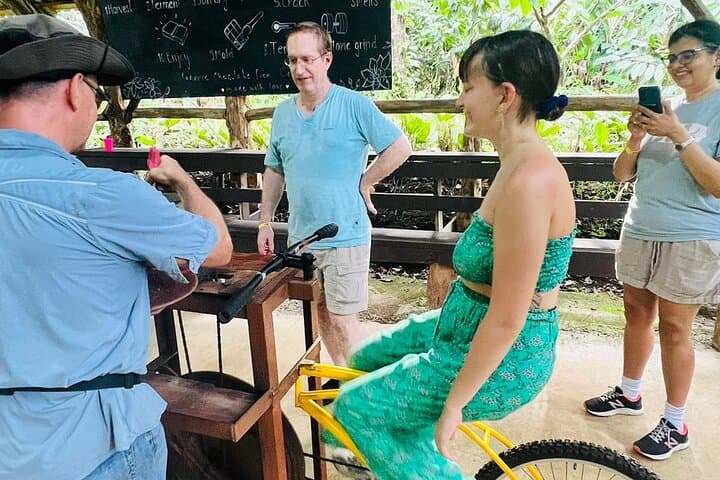
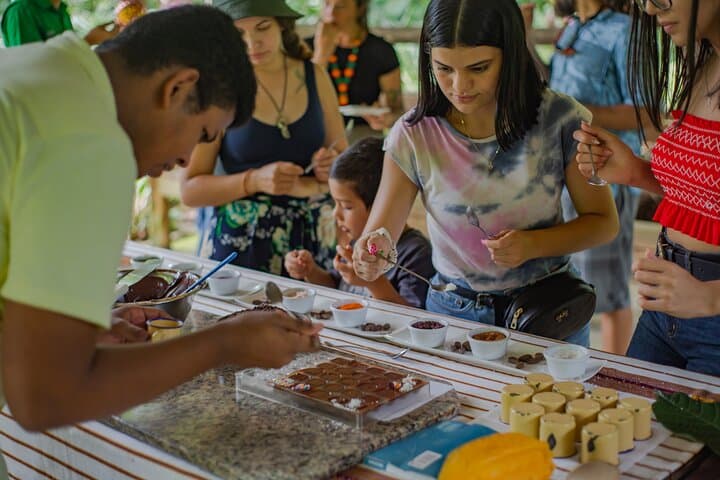
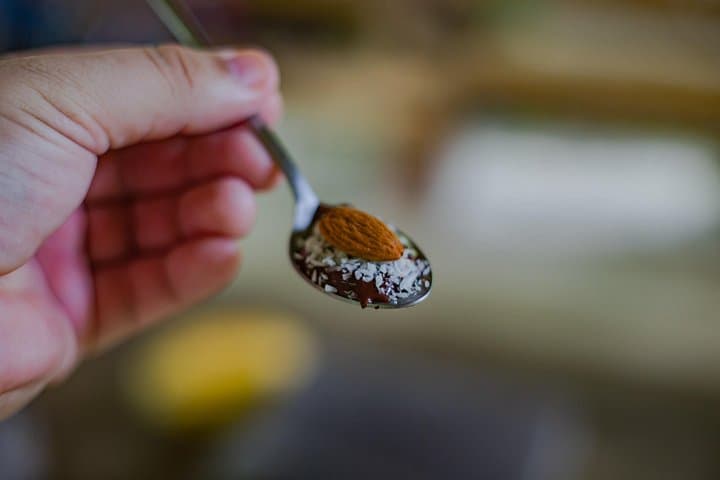
On this 1 hour 45 minute experience you’ll move from plantation to ranch: tasting fermented beans, roasting and grinding them by hand, then watching conching and refining machines smooth the chocolate. The finale is a guided session to make your own bonbons — an immediate reward and a practical lesson in tempering and flavor balance.
Plan for humidity, sticky fingers and active learning. Wear closed-toe shoes for farm paths and bring a lightweight rain jacket during the wet season. The tour is accessible for many fitness levels but requires standing and short walks; children must be accompanied. Bookings are instant, tours include tastings and a local guide, and groups are kept small enough to be hands-on. It’s an approachable, sensory introduction to farm-to-chocolate craft in one of Costa Rica’s most traveled outdoor bases.
easy.
1–2 hours.
Light activity: participants should be able to stand and walk short farm paths; a moderate fitness level is suggested.
The experience runs about 1 hour 45 minutes and includes plantation and workshop time.
Yes — multiple stages of the chocolate-making process are sampled, from fermented beans to finished bonbons.
The operator lists the tour as wheelchair accessible but portions on farm paths may be uneven; contact the provider if you have specific accessibility needs.
Children are welcome but must be accompanied by an adult; some hands-on stations may require adult assistance.
Cacao has been cultivated in Central America for centuries; in Costa Rica small-scale farms today emphasize organic practices and heirloom varieties tied to local culinary traditions.
Many small farms here practice organic and shade-grown techniques to support biodiversity; visitors can help by avoiding single-use plastics and supporting local producers.
Eden Chocolate Tour operates guided outdoor trips and adventures with an emphasis on safety, stewardship, and memorable experiences.
The morning air carries the sharp, green scent of cocoa pods and the distant silhouette of Arenal watches like a quiet guardian. Under a canopy of broad leaves you walk between rows of cacao trees, palms dripping with dew, as a guide points out flowers, ripe pods and the slow, sun-driven fermentation that turns bean to flavor.
The morning air carries the sharp, green scent of cocoa pods and the distant silhouette of Arenal watches like a quiet guardian. Under a canopy of broad leaves you walk between rows of cacao trees, palms dripping with dew, as a guide points out flowers, ripe pods and the slow, sun-driven fermentation that turns bean to flavor.
Cacao in Costa Rica has a long local history: indigenous peoples used cacao for rituals and trade, and today small organic farms reviving heirloom varieties are part of a regional push toward sustainable agriculture. Geologically, the volcanic soils around La Fortuna are rich in minerals that help cocoa trees flourish; culturally, the tour ties those soils to local recipes and hands-on techniques passed from harvest to table.
On this 1 hour 45 minute experience you’ll move from plantation to ranch: tasting fermented beans, roasting and grinding them by hand, then watching conching and refining machines smooth the chocolate. The finale is a guided session to make your own bonbons — an immediate reward and a practical lesson in tempering and flavor balance.
Plan for humidity, sticky fingers and active learning. Wear closed-toe shoes for farm paths and bring a lightweight rain jacket during the wet season. The tour is accessible for many fitness levels but requires standing and short walks; children must be accompanied. Bookings are instant, tours include tastings and a local guide, and groups are kept small enough to be hands-on. It’s an approachable, sensory introduction to farm-to-chocolate craft in one of Costa Rica’s most traveled outdoor bases.