THE ADVENTURE COLLECTIVE® · Independent discovery and booking for outdoor travel

Join a local family on Boa Vista for a two-hour, hands-on lesson in Catxupa — Cape Verde’s hearty corn-and-bean stew. Learn techniques, taste the finished dish, and return to your accommodation with a new recipe and insight into island life.
Join a local family on Boa Vista for a two-hour, hands-on lesson in Catxupa — Cape Verde’s hearty corn-and-bean stew. Learn techniques, taste the finished dish, and return to your accommodation with a new recipe and insight into island life.
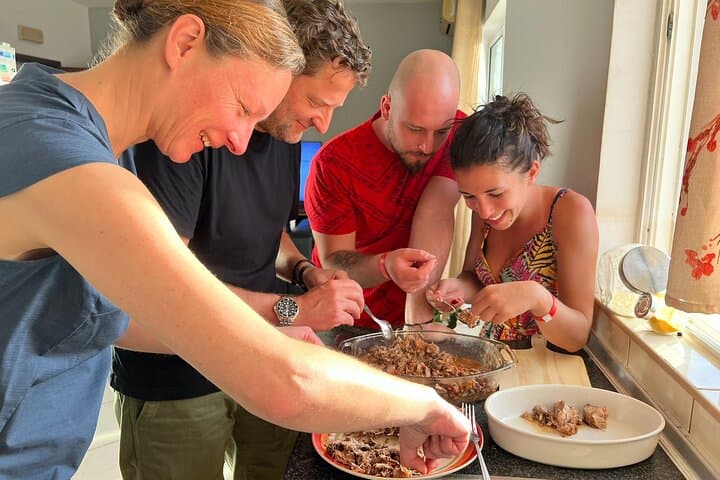
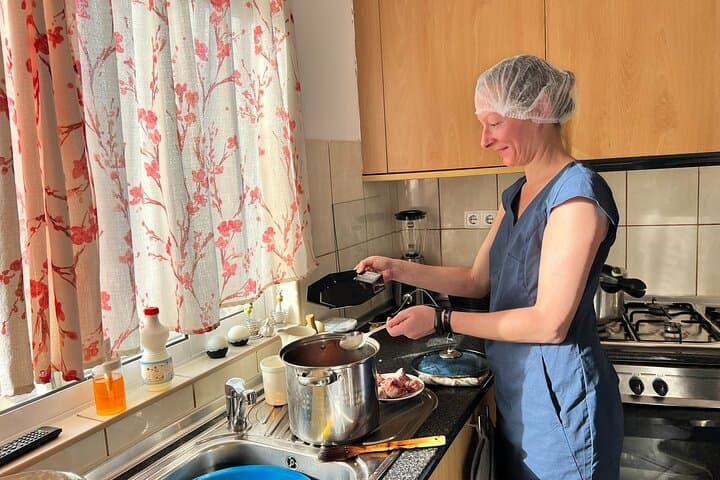
You leave your lodging before midday and follow a narrow street where bougainvillea frames low stone houses. Inside a family kitchen the air is thick with simmering corn and beans; spices hiss in the pan and a neighbor drops by to trade news. The two-hour class places you at the stove, stirring the slow-cooked Catxupa while a host explains techniques passed down through Cape Verdean households.
Verified experiences and guided adventures in the surrounding area.
Operated by Bu Country Tours · Sal Rei, Boa Vista
You leave your lodging before midday and follow a narrow street where bougainvillea frames low stone houses. Inside a family kitchen the air is thick with simmering corn and beans; spices hiss in the pan and a neighbor drops by to trade news. The two-hour class places you at the stove, stirring the slow-cooked Catxupa while a host explains techniques passed down through Cape Verdean households.
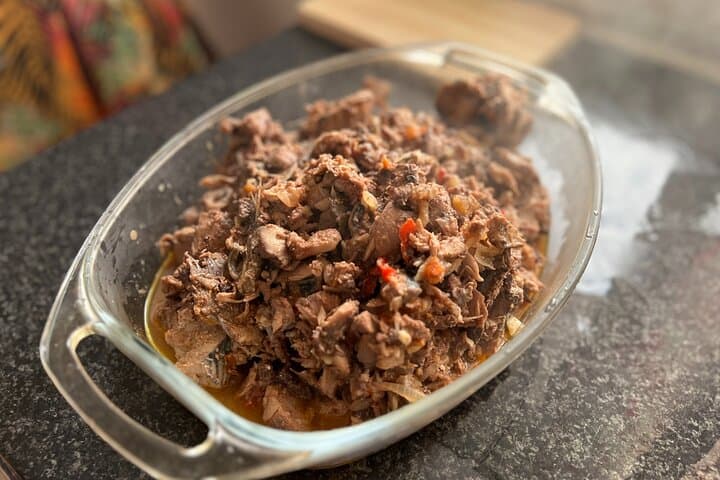
Catxupa is part culinary staple, part social ritual — a melding of West African ingredients and Portuguese influences, built around hominy corn, beans and either fish or slow-cooked meat. Boa Vista’s flat, wind-swept terrain and long Atlantic coastline shaped its settlements and foodways: salt harvesting and fishing historically set the pace of life, and the island’s gusty climate concentrates flavors and communal cooking indoors.
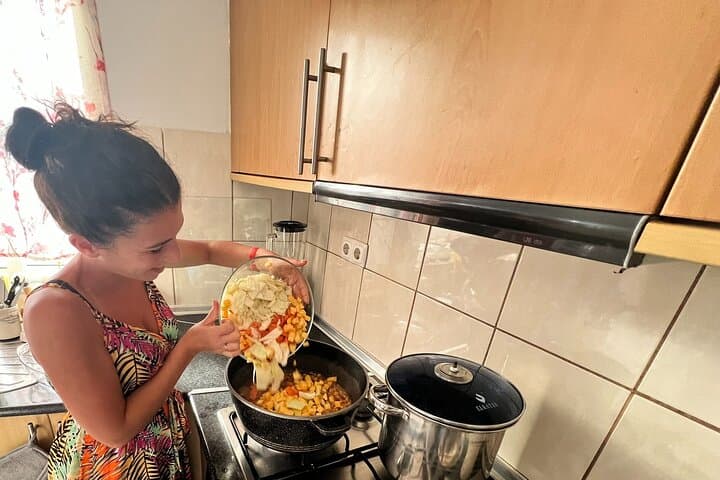
Expect a hands-on session: ingredient prep, simmering, seasoning and a sit-down to taste the finished Catxupa. The experience typically includes hotel pickup and drop-off and accommodates dietary restrictions such as vegetarian options. Language is often Cape Verdean Creole with Portuguese; guides commonly speak basic English. Practical notes: wear closed-toe shoes in a working kitchen, bring sun protection for the short walk between accommodation and the host home, and flag allergies in advance.
Beyond the meal, consider pairing this visit with a walk through Sal Rei’s market or a short stop at the nearby Viana sand dunes. The class is intimate, cultural and easy on fitness — a clear way to taste Boa Vista’s history and hospitality in a single, satisfying sitting.
easy.
2 hours.
Suitable for most fitness levels; minimal physical exertion required beyond standing and light kitchen tasks.
Yes — hotel pickup and drop-off are included; confirm your pickup location and time when booking.
Yes — the operator notes they can accommodate dietary restrictions such as vegetarian options if informed in advance.
Hosts commonly speak Cape Verdean Creole and Portuguese; guides or hosts often have basic English for tourists.
Yes — the listing indicates stroller access and infant seats are available, but younger children should be supervised in the kitchen.
Boa Vista grew around fishing and salt trade after Portuguese settlement in the 15th century; Catxupa reflects Portuguese and West African culinary influences.
Turtle nesting is protected on Boa Vista; visitors should avoid nighttime beach traffic during nesting season and support local guides who follow sustainable practices.
Bu Country Tours operates guided outdoor trips and adventures with an emphasis on safety, stewardship, and memorable experiences.
You leave your lodging before midday and follow a narrow street where bougainvillea frames low stone houses. Inside a family kitchen the air is thick with simmering corn and beans; spices hiss in the pan and a neighbor drops by to trade news. The two-hour class places you at the stove, stirring the slow-cooked Catxupa while a host explains techniques passed down through Cape Verdean households.
You leave your lodging before midday and follow a narrow street where bougainvillea frames low stone houses. Inside a family kitchen the air is thick with simmering corn and beans; spices hiss in the pan and a neighbor drops by to trade news. The two-hour class places you at the stove, stirring the slow-cooked Catxupa while a host explains techniques passed down through Cape Verdean households.
Catxupa is part culinary staple, part social ritual — a melding of West African ingredients and Portuguese influences, built around hominy corn, beans and either fish or slow-cooked meat. Boa Vista’s flat, wind-swept terrain and long Atlantic coastline shaped its settlements and foodways: salt harvesting and fishing historically set the pace of life, and the island’s gusty climate concentrates flavors and communal cooking indoors.
Expect a hands-on session: ingredient prep, simmering, seasoning and a sit-down to taste the finished Catxupa. The experience typically includes hotel pickup and drop-off and accommodates dietary restrictions such as vegetarian options. Language is often Cape Verdean Creole with Portuguese; guides commonly speak basic English. Practical notes: wear closed-toe shoes in a working kitchen, bring sun protection for the short walk between accommodation and the host home, and flag allergies in advance.
Beyond the meal, consider pairing this visit with a walk through Sal Rei’s market or a short stop at the nearby Viana sand dunes. The class is intimate, cultural and easy on fitness — a clear way to taste Boa Vista’s history and hospitality in a single, satisfying sitting.