THE ADVENTURE COLLECTIVE® · Independent discovery and booking for outdoor travel

Learn basic pruning, wiring and repotting in Bonsai-cho with an English-speaking Japanese farmer. This 2.5-hour hands-on workshop pairs nursery sightseeing with practical technique taught in a relaxed café setting.
Learn basic pruning, wiring and repotting in Bonsai-cho with an English-speaking Japanese farmer. This 2.5-hour hands-on workshop pairs nursery sightseeing with practical technique taught in a relaxed café setting.
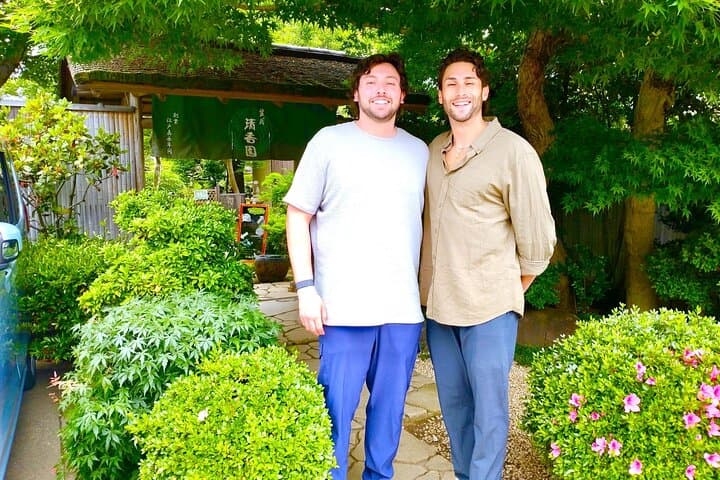
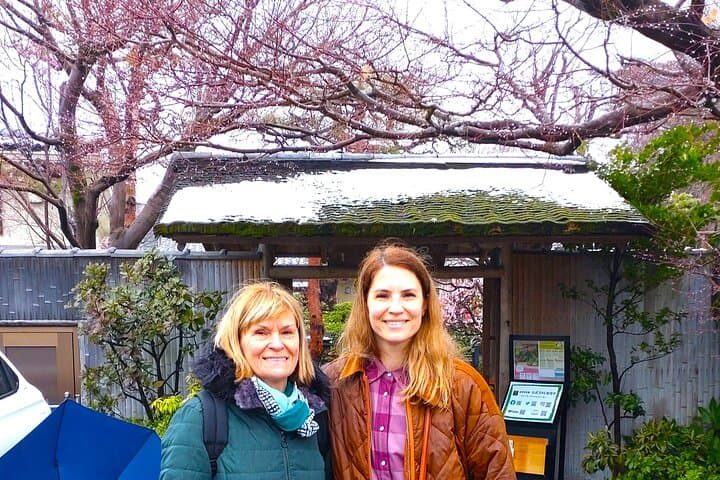
Stepping into Bonsai-cho feels like entering a living studio: rows of miniature trees sit like old storytellers in shallow pots, each branch bending with intention under the soft afternoon light. You begin at a long-established nursery where a fluent-English Japanese farmer walks you through the lineage of specimens while the air smells faintly of soil and cedar.
Verified experiences and guided adventures in the surrounding area.
Operated by beautiful day tours · Saitama, Saitama Prefecture
Stepping into Bonsai-cho feels like entering a living studio: rows of miniature trees sit like old storytellers in shallow pots, each branch bending with intention under the soft afternoon light. You begin at a long-established nursery where a fluent-English Japanese farmer walks you through the lineage of specimens while the air smells faintly of soil and cedar.
The workshop sits in a compact neighborhood founded after the Great Kanto Earthquake; bonsai gardeners relocated here about a century ago and shaped what is now a concentrated culture of pruning, potting and patient observation. Geologically the area is part of the flat Kanto plain, which historically supported nursery trade with accessible transport links to Tokyo. Culturally, bonsai is less about forcing nature and more about reading its seasonal moods — the trees teach restraint and timing.
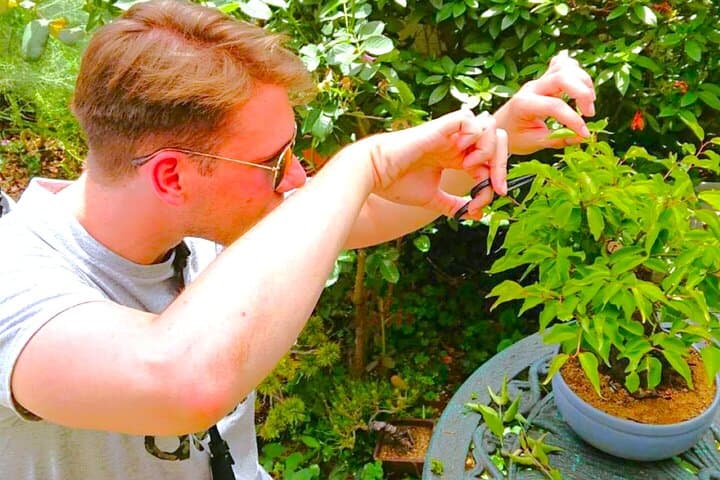
The experience splits into a guided viewing of prized bonsai and a hands-on session at a nearby café: you’ll learn basic pruning, wiring and repotting techniques while sipping coffee. The guide explains tool choice and tree care, and emphasizes ongoing maintenance rather than instant transformation. Expect small group instruction (up to ten), clear English explanations, and a focus on foundational skills.
Practicalities: sessions run about 2.5 hours, minimum age 13, public transit access is good, and tool fees are included. Don’t wear loose jewelry, avoid alcohol beforehand, and bring a notebook and camera to record techniques you’ll want to repeat at home.
easy.
2–3 hours.
Suitable for most physical levels; requires steady hands and ability to stand or sit for short periods.
Participants must be at least 13 years old; those under 18 must attend with an accompanying adult.
Yes—this program is led by a Japanese farmer who is fluent in English and provides detailed explanations.
Yes—tool usage fees and instruction are included in the program price.
All sales are final; the operator does not offer refunds for cancellations.
Bonsai-cho formed after the 1923 Great Kanto Earthquake when displaced gardeners established nurseries here, creating a concentrated bonsai culture that survives today.
Local growers emphasize sustainable pruning and careful soil management; visitors are asked not to remove plant material without permission and to minimize waste.
beautiful day tours operates guided outdoor trips and adventures with an emphasis on safety, stewardship, and memorable experiences.

Stepping into Bonsai-cho feels like entering a living studio: rows of miniature trees sit like old storytellers in shallow pots, each branch bending with intention under the soft afternoon light. You begin at a long-established nursery where a fluent-English Japanese farmer walks you through the lineage of specimens while the air smells faintly of soil and cedar.
Stepping into Bonsai-cho feels like entering a living studio: rows of miniature trees sit like old storytellers in shallow pots, each branch bending with intention under the soft afternoon light. You begin at a long-established nursery where a fluent-English Japanese farmer walks you through the lineage of specimens while the air smells faintly of soil and cedar.
The workshop sits in a compact neighborhood founded after the Great Kanto Earthquake; bonsai gardeners relocated here about a century ago and shaped what is now a concentrated culture of pruning, potting and patient observation. Geologically the area is part of the flat Kanto plain, which historically supported nursery trade with accessible transport links to Tokyo. Culturally, bonsai is less about forcing nature and more about reading its seasonal moods — the trees teach restraint and timing.
The experience splits into a guided viewing of prized bonsai and a hands-on session at a nearby café: you’ll learn basic pruning, wiring and repotting techniques while sipping coffee. The guide explains tool choice and tree care, and emphasizes ongoing maintenance rather than instant transformation. Expect small group instruction (up to ten), clear English explanations, and a focus on foundational skills.
Practicalities: sessions run about 2.5 hours, minimum age 13, public transit access is good, and tool fees are included. Don’t wear loose jewelry, avoid alcohol beforehand, and bring a notebook and camera to record techniques you’ll want to repeat at home.