THE ADVENTURE COLLECTIVE® · Independent discovery and booking for outdoor travel

Transform plain bisque pieces into glossy finished pottery in a focused two-hour workshop at The Spinning Wheel. Learn glaze selection, application techniques, and what happens in the kiln afterward.
Transform plain bisque pieces into glossy finished pottery in a focused two-hour workshop at The Spinning Wheel. Learn glaze selection, application techniques, and what happens in the kiln afterward.
Morning light cuts across narrow studio shelves, illuminating rows of unglazed bisque plates and mugs that wait like blank pages. Instructors at The Spinning Wheel guide small groups through color selection and application, turning cool, porous clay into glossy, finished pieces over a focused two-hour session.
Verified experiences and guided adventures in the surrounding area.
Operated by The Spinning Wheel ATX · Austin, Texas
Morning light cuts across narrow studio shelves, illuminating rows of unglazed bisque plates and mugs that wait like blank pages. Instructors at The Spinning Wheel guide small groups through color selection and application, turning cool, porous clay into glossy, finished pieces over a focused two-hour session.
The practice of glazing ties modern hobby ceramics to centuries of craft—Texas studios have leaned on both folk pottery traditions and contemporary ceramic science to expand local palettes and firing techniques. The space itself is practical: wide tables for brushing, buckets for dipping, and a kiln humming in a back room, quietly finishing the transformation you begin.
Participants learn basic glaze chemistry, application methods (dipping, brushing, sponging) and predictable ways to avoid common issues like crawling or pinholing. The instructor demonstrates thinning ratios, layering strategies, and how different finishes react when fired. Expect to leave with glazed bisque that will be fired after the class; pickup or shipping options vary by studio.
Practical guidance: wear clothes you don’t mind getting glaze on and arrive 10–15 minutes early to choose pieces. Bring a reference image if you have a design in mind. Allow the studio’s firing schedule — typically several days — to complete the process before planning to take finished work home.
For first-timers the workshop demystifies kiln timing and glaze behavior while allowing creative choices that still produce consistent results. It’s a hands-on, low-impact way to learn material behavior and finish techniques in a supportive studio setting.
easy.
2 hours.
Minimal physical exertion; suitable for most fitness levels
No — the class is designed for beginners and covers basic glaze selection and application techniques.
No — glazing requires a firing cycle; finished pieces are typically ready for pickup in several days or can be shipped if the studio offers that service.
Yes — the studio supplies bisque-fired pieces, glazes, and tools as part of the session.
Yes — instructors guide choices from a wide palette and explain finish differences like matte, satin, and glossy.
Ceramic practice in Texas blends Southern folk pottery roots with contemporary studio ceramics; small studios often serve as community hubs for craft education.
Studios commonly recycle glaze rinse water, minimize glaze waste, and follow local regulations for kiln emissions to reduce environmental impact.
The Spinning Wheel ATX operates guided outdoor trips and adventures with an emphasis on safety, stewardship, and memorable experiences.
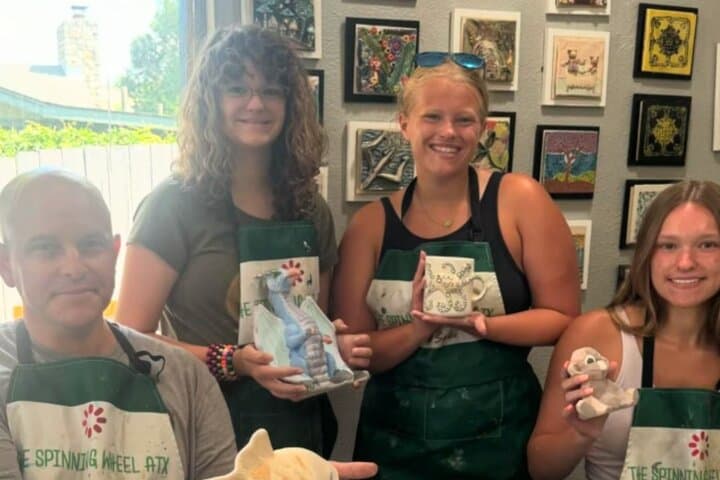
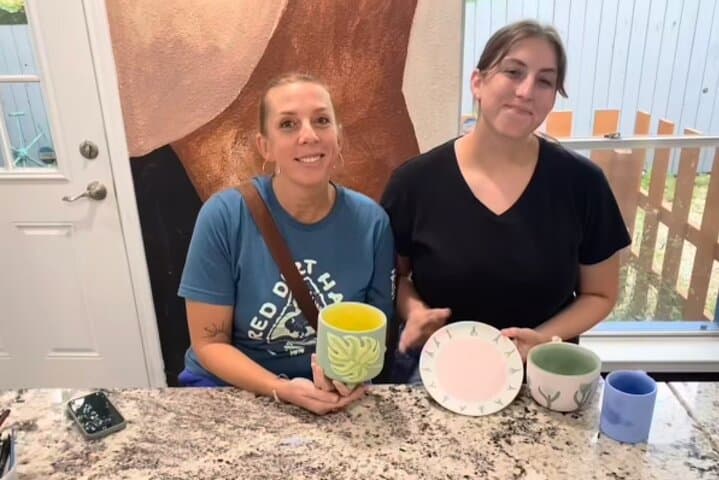
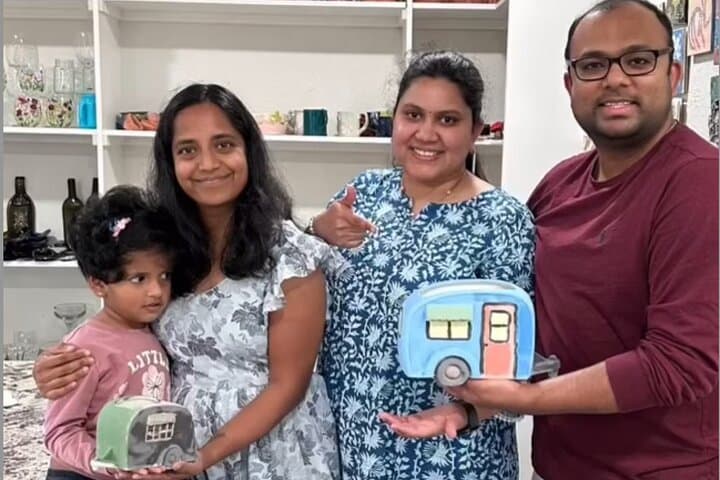
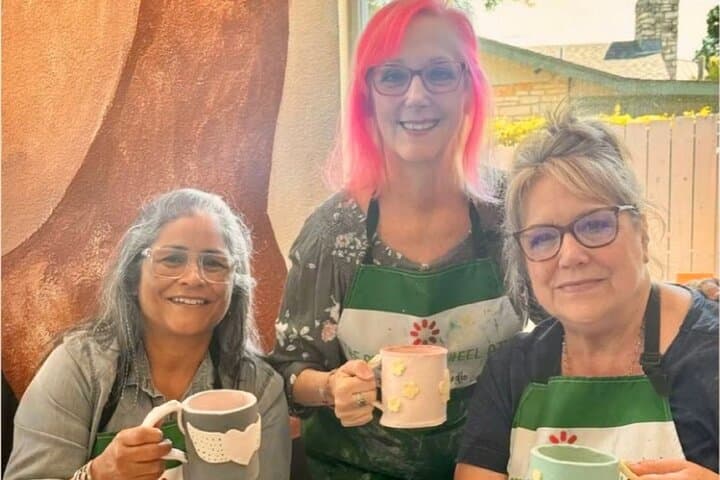
Morning light cuts across narrow studio shelves, illuminating rows of unglazed bisque plates and mugs that wait like blank pages. Instructors at The Spinning Wheel guide small groups through color selection and application, turning cool, porous clay into glossy, finished pieces over a focused two-hour session.
Morning light cuts across narrow studio shelves, illuminating rows of unglazed bisque plates and mugs that wait like blank pages. Instructors at The Spinning Wheel guide small groups through color selection and application, turning cool, porous clay into glossy, finished pieces over a focused two-hour session.
The practice of glazing ties modern hobby ceramics to centuries of craft—Texas studios have leaned on both folk pottery traditions and contemporary ceramic science to expand local palettes and firing techniques. The space itself is practical: wide tables for brushing, buckets for dipping, and a kiln humming in a back room, quietly finishing the transformation you begin.
Participants learn basic glaze chemistry, application methods (dipping, brushing, sponging) and predictable ways to avoid common issues like crawling or pinholing. The instructor demonstrates thinning ratios, layering strategies, and how different finishes react when fired. Expect to leave with glazed bisque that will be fired after the class; pickup or shipping options vary by studio.
Practical guidance: wear clothes you don’t mind getting glaze on and arrive 10–15 minutes early to choose pieces. Bring a reference image if you have a design in mind. Allow the studio’s firing schedule — typically several days — to complete the process before planning to take finished work home.
For first-timers the workshop demystifies kiln timing and glaze behavior while allowing creative choices that still produce consistent results. It’s a hands-on, low-impact way to learn material behavior and finish techniques in a supportive studio setting.