THE ADVENTURE COLLECTIVE® · Independent discovery and booking for outdoor travel

Join a hands-on Balinese cooking class in Ubud that pairs a traditional market tour with practical kitchen instruction. Learn to make coconut curry, banana-leaf steamed fish, and base gede while shopping for fresh island ingredients.
Join a hands-on Balinese cooking class in Ubud that pairs a traditional market tour with practical kitchen instruction. Learn to make coconut curry, banana-leaf steamed fish, and base gede while shopping for fresh island ingredients.
Stepping through the low wooden gate, the kitchen air hits first—steam, turmeric, crushed lemongrass—an immediate invitation to work with your hands. In Ubud, a morning class often begins earlier still: the market hums before the sun climbs, vendors calling out fish and greens while the chef points out snake beans and base gede paste.
Verified experiences and guided adventures in the surrounding area.
Operated by Bali Tour Organizer · Ubud, Bali
Stepping through the low wooden gate, the kitchen air hits first—steam, turmeric, crushed lemongrass—an immediate invitation to work with your hands. In Ubud, a morning class often begins earlier still: the market hums before the sun climbs, vendors calling out fish and greens while the chef points out snake beans and base gede paste.
Balinese food is shaped by temple ceremonies and centuries of spice trade; the recipes taught here combine island techniques—banana-leaf steaming, coconut-curried sauces, sambal balances—with local buying habits seen at Pasar Ubud. The geology of Bali shows up in flavor: volcanic soils feed intense rice and spice crops, while coastal influences bring seafood into many plates.
Students prepare items like chicken coconut curry, steamed fish in banana leaf, skewered minced chicken, and sweet banana in palm sugar, using a 17-ingredient base paste that defines many dishes. The class is hands-on: each student gets a station, knives and cookware, and instruction from a local chef and assistant.
Practicalities matter: most sessions last about 3–4 hours and include hotel pickup within central Ubud, cooking ware and ingredients, and a satified appetite to take away leftovers. Expect standing work, chopping, and working around hot pans—closed-toe shoes and a reusable water bottle help. If joining the morning session, budget extra time for the market tour; afternoon classes skip that element. The operator enforces a strict no-refund policy, so plan carefully. For travelers who want cultural context with a practical, sensory edge, this class pairs market insight with real kitchen experience in the heart of Balinese culinary life.
easy.
3–4 hours.
Light physical activity: standing, chopping, carrying small items; suitable for most people without mobility restrictions.
Hotel transfer is included for central Ubud only; pickup from other areas may incur an extra charge—confirm your pickup point when booking.
Yes—vegetarian and non-vegetarian options are offered; specify dietary needs at booking so the chef can prepare appropriate ingredients.
The class involves standing and some bending; it’s stroller accessible according to the operator, but not recommended for guests with significant spinal or cardiovascular issues.
All sales are final and non-refundable; the operator may cancel for bad weather or insufficient travelers and will notify you in advance.
Balinese cuisine evolved through temple-based communal cooking and influence from historic spice routes; many recipes use multi-ingredient pastes developed for ritual offerings.
Support sustainable tourism by buying produce from local vendors, avoiding single-use plastics, and choosing operators who source ingredients locally and responsibly.
Bali Tour Organizer operates guided outdoor trips and adventures with an emphasis on safety, stewardship, and memorable experiences.
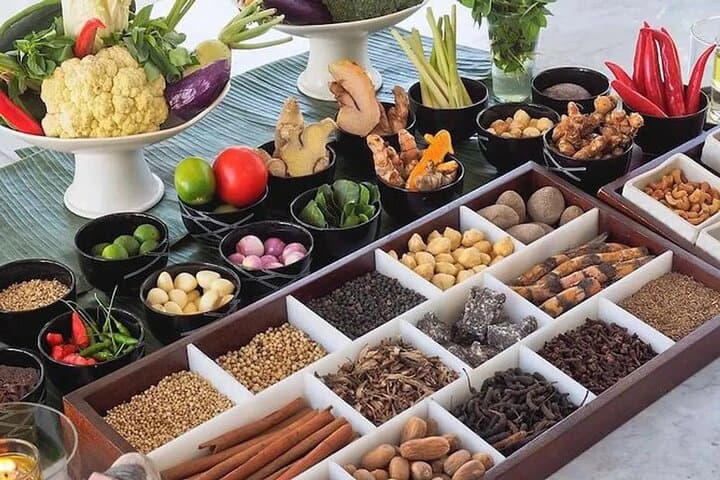


Stepping through the low wooden gate, the kitchen air hits first—steam, turmeric, crushed lemongrass—an immediate invitation to work with your hands. In Ubud, a morning class often begins earlier still: the market hums before the sun climbs, vendors calling out fish and greens while the chef points out snake beans and base gede paste.
Stepping through the low wooden gate, the kitchen air hits first—steam, turmeric, crushed lemongrass—an immediate invitation to work with your hands. In Ubud, a morning class often begins earlier still: the market hums before the sun climbs, vendors calling out fish and greens while the chef points out snake beans and base gede paste.
Balinese food is shaped by temple ceremonies and centuries of spice trade; the recipes taught here combine island techniques—banana-leaf steaming, coconut-curried sauces, sambal balances—with local buying habits seen at Pasar Ubud. The geology of Bali shows up in flavor: volcanic soils feed intense rice and spice crops, while coastal influences bring seafood into many plates.
Students prepare items like chicken coconut curry, steamed fish in banana leaf, skewered minced chicken, and sweet banana in palm sugar, using a 17-ingredient base paste that defines many dishes. The class is hands-on: each student gets a station, knives and cookware, and instruction from a local chef and assistant.
Practicalities matter: most sessions last about 3–4 hours and include hotel pickup within central Ubud, cooking ware and ingredients, and a satified appetite to take away leftovers. Expect standing work, chopping, and working around hot pans—closed-toe shoes and a reusable water bottle help. If joining the morning session, budget extra time for the market tour; afternoon classes skip that element. The operator enforces a strict no-refund policy, so plan carefully. For travelers who want cultural context with a practical, sensory edge, this class pairs market insight with real kitchen experience in the heart of Balinese culinary life.