THE ADVENTURE COLLECTIVE® · Independent discovery and booking for outdoor travel

Explore Angkor’s great temples by day and shape clay with a Khmer master by afternoon. This private two-day itinerary combines UNESCO architecture, Tonle Sap boat time, and a hands-on pottery workshop.
Explore Angkor’s great temples by day and shape clay with a Khmer master by afternoon. This private two-day itinerary combines UNESCO architecture, Tonle Sap boat time, and a hands-on pottery workshop.
Morning light slices through banyan roots at Angkor; a guide leads the small group from Siem Reap onto packed laterite paths, the heat already pressing. On day one the tour skims the rhythms of Tonle Sap—stilt houses tilt and boats thread through floating forests as the lake dares you to see how livelihoods bend with the monsoon. A clay-smeared studio follows, where a local ceramist shows techniques resurrected from pre-Angkor kilns and students shape bowls on a spinning wheel.
Verified experiences and guided adventures in the surrounding area.
Operated by SARUS Co., Ltd · Siem Reap, Siem Reap Province
Morning light slices through banyan roots at Angkor; a guide leads the small group from Siem Reap onto packed laterite paths, the heat already pressing. On day one the tour skims the rhythms of Tonle Sap—stilt houses tilt and boats thread through floating forests as the lake dares you to see how livelihoods bend with the monsoon. A clay-smeared studio follows, where a local ceramist shows techniques resurrected from pre-Angkor kilns and students shape bowls on a spinning wheel.
The two-day itinerary frames the Khmer world: Angkor Wat’s sandstone bas-reliefs record empire, Bayon’s carved faces watch the plains, and Ta Prohm’s strangler figs tug stone into dreamlike ruin. Geologically the region is low-lying alluvium fed by the Tonle Sap system; culturally, Khmer ceramics carry motifs and methods that predate the Angkorian zenith. The floating villages at Kampong Phluk illustrate how water governs daily life across seasons.
Practically, expect repeated short walks across uneven stone, humid heat, and a full day by boat. Admission is covered for a one-day Angkor pass; guide and air-conditioned transport handle logistics. Timing matters—arrive early for softer light and smaller crowds; midafternoon is hottest and busiest. For the pottery session bring a change of clothes; clay is generous.
Hydrate frequently, wear closed-toe shoes with grip for temple steps, and carry sunscreen and a light rain layer during monsoon months. Photography is allowed in most areas but respect temple signage and local people. The tour suits travelers who want active cultural immersion with hands-on craft and waterfront observation over two compact days. Reserve early starts; sunset at the lake rewards patient travelers.
moderate.
2 days.
Light to moderate fitness; able to walk on uneven stone surfaces and climb temple steps for several short periods
The itinerary includes a one-day Angkor temple pass as noted; confirm whether you need additional days for extended visits.
Lunches and dinners are provided per the itinerary on each day listed, but check the booking confirmation for specifics and dietary requests.
The tour supplier lists it as not recommended for pregnant travelers; consult your doctor and the operator before booking.
Expect several short to moderate walks across uneven stone and some steps at temples plus a full-day boat outing; pace is adjustable for most fitness levels.
Angkor was the core of the Khmer Empire (9th–15th centuries); local ceramics trace techniques back to pre-Angkor periods used for domestic and ritual wares.
Angkor is UNESCO-protected and visitation impacts are managed via passes and site rules; support conservation by following paths, avoiding flash photography where restricted, and choosing locally run operators.
SARUS Co., Ltd operates guided outdoor trips and adventures with an emphasis on safety, stewardship, and memorable experiences.
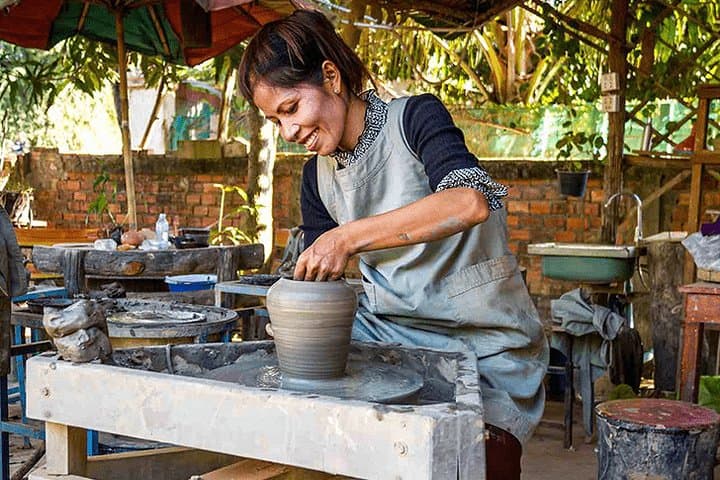
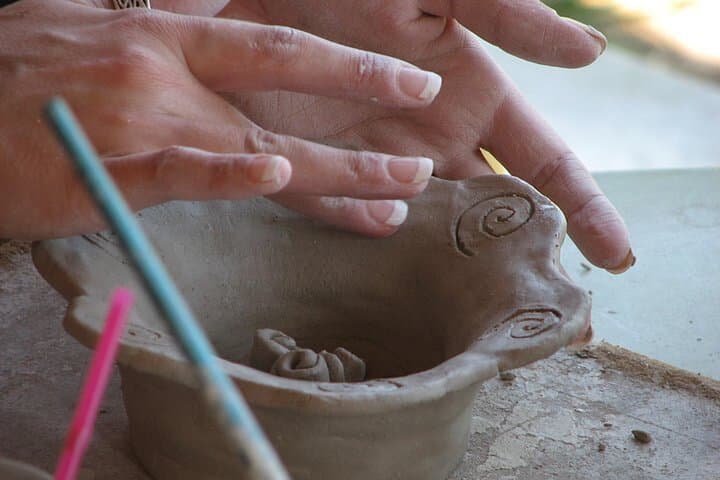
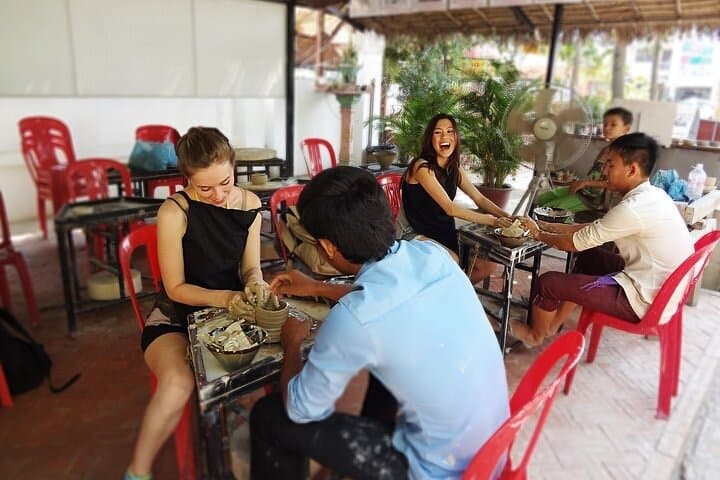
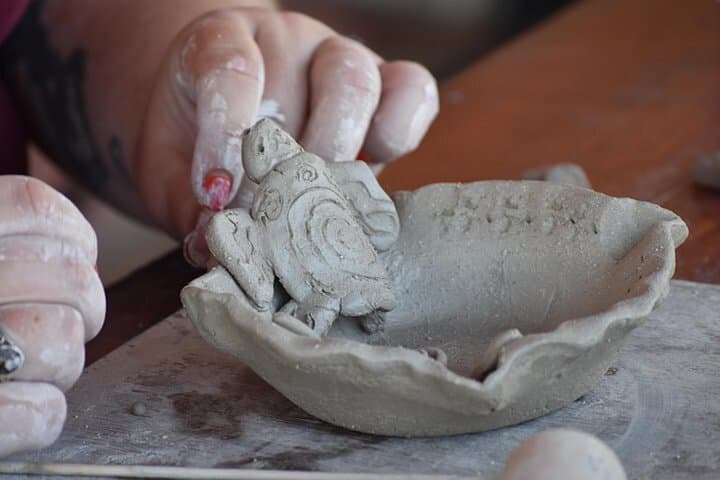
Morning light slices through banyan roots at Angkor; a guide leads the small group from Siem Reap onto packed laterite paths, the heat already pressing. On day one the tour skims the rhythms of Tonle Sap—stilt houses tilt and boats thread through floating forests as the lake dares you to see how livelihoods bend with the monsoon. A clay-smeared studio follows, where a local ceramist shows techniques resurrected from pre-Angkor kilns and students shape bowls on a spinning wheel.
Morning light slices through banyan roots at Angkor; a guide leads the small group from Siem Reap onto packed laterite paths, the heat already pressing. On day one the tour skims the rhythms of Tonle Sap—stilt houses tilt and boats thread through floating forests as the lake dares you to see how livelihoods bend with the monsoon. A clay-smeared studio follows, where a local ceramist shows techniques resurrected from pre-Angkor kilns and students shape bowls on a spinning wheel.
The two-day itinerary frames the Khmer world: Angkor Wat’s sandstone bas-reliefs record empire, Bayon’s carved faces watch the plains, and Ta Prohm’s strangler figs tug stone into dreamlike ruin. Geologically the region is low-lying alluvium fed by the Tonle Sap system; culturally, Khmer ceramics carry motifs and methods that predate the Angkorian zenith. The floating villages at Kampong Phluk illustrate how water governs daily life across seasons.
Practically, expect repeated short walks across uneven stone, humid heat, and a full day by boat. Admission is covered for a one-day Angkor pass; guide and air-conditioned transport handle logistics. Timing matters—arrive early for softer light and smaller crowds; midafternoon is hottest and busiest. For the pottery session bring a change of clothes; clay is generous.
Hydrate frequently, wear closed-toe shoes with grip for temple steps, and carry sunscreen and a light rain layer during monsoon months. Photography is allowed in most areas but respect temple signage and local people. The tour suits travelers who want active cultural immersion with hands-on craft and waterfront observation over two compact days. Reserve early starts; sunset at the lake rewards patient travelers.