THE ADVENTURE COLLECTIVE® · Independent discovery and booking for outdoor travel

Spend a morning at market stalls and a family kitchen learning msemen, tajin, and the ritual of Moroccan mint tea. This hands-on Amazigh cooking class in Agadir blends a market visit with practical, beginner-friendly instruction.
Spend a morning at market stalls and a family kitchen learning msemen, tajin, and the ritual of Moroccan mint tea. This hands-on Amazigh cooking class in Agadir blends a market visit with practical, beginner-friendly instruction.
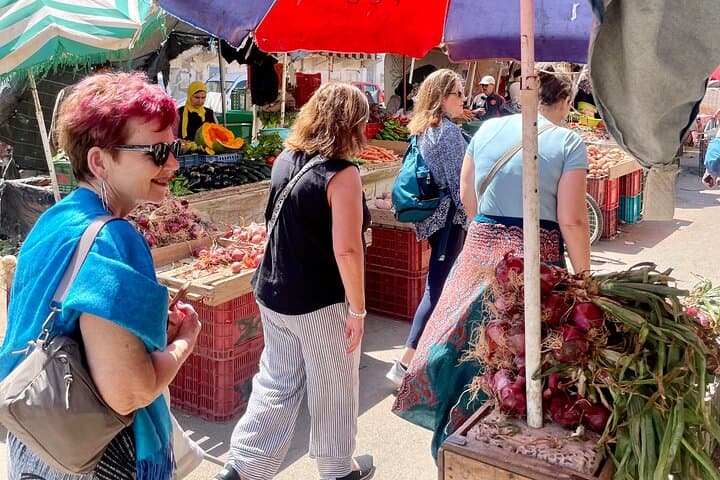
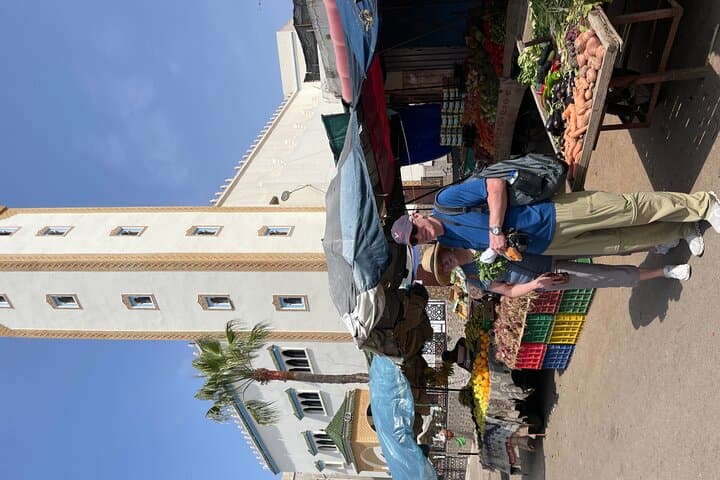
The morning market in Agadir hums like a slow drum: citrus piled in pyramids, bundles of fragrant herbs, and the occasional call of a vendor urging you toward the next spice stall. You follow a local chef down a narrow lane, palms dusted with flour, and the air shifts from salt-scented breeze to the warm, cumin-rich steam of a kitchen where tajin simmers.
Verified experiences and guided adventures in the surrounding area.
Operated by Agadir Guide Tours · Agadir, Souss-Massa
The morning market in Agadir hums like a slow drum: citrus piled in pyramids, bundles of fragrant herbs, and the occasional call of a vendor urging you toward the next spice stall. You follow a local chef down a narrow lane, palms dusted with flour, and the air shifts from salt-scented breeze to the warm, cumin-rich steam of a kitchen where tajin simmers.
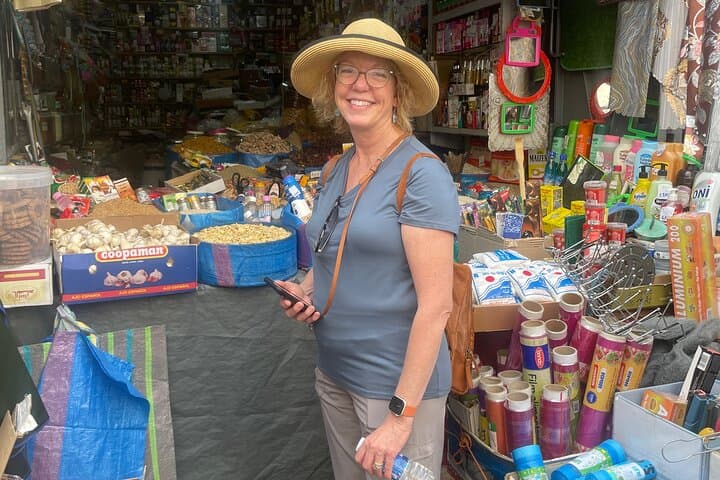
This one-off cooking class focuses on Amazigh (Berber) home cooking—msemen (pan-fried flatbread), traditional tajin, and Moroccan mint tea. Agadir itself is a coastal city rebuilt after the 1960 earthquake of 1960; its modern layout sits against the foothills of the Anti-Atlas and a coastline that shaped local diets—fresh fish and preserved citrus feature alongside mountain grains and argan oil. The class usually begins with a guided visit to a local market to identify key ingredients: preserved lemons, fresh cilantro, and local spices.
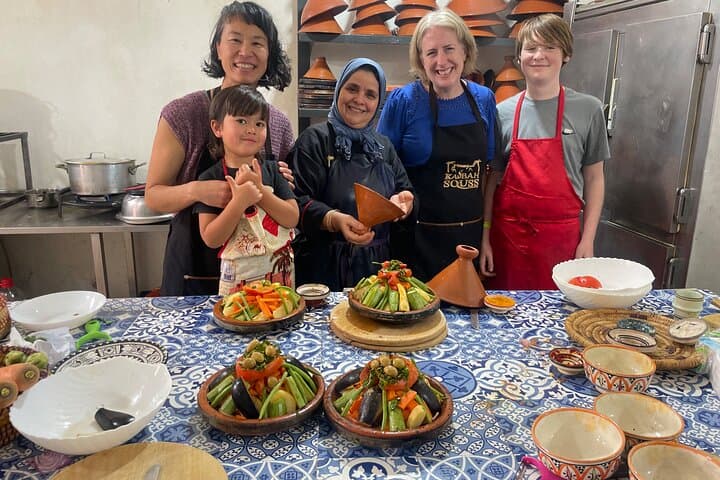
Expect hands-on instruction in a family kitchen setting: dough kneading, layering fat and flour for msemen, building a base for a slow-cooked tajin, and the precise ritual of pouring and scenting mint tea. The experience is practical and tactile—no prior culinary skill needed—and suitable for families.
Practical tips: arrive with comfortable shoes for market stalls, bring dietary notes ahead of time, and plan for roughly three hours including transport. The session is ideal in the cooler morning hours when markets are busiest; afternoons in summer can be hot. This class is a compact cultural transfer: you leave with recipes, freshly made food, and a clearer sense of Amazigh flavors and cooking rhythms.
easy.
3 hours.
Minimal; participants should be able to stand and move between market stalls and a kitchen for up to three hours.
No — the class is designed for all levels and provides step-by-step, hands-on guidance.
Private transportation is listed as an inclusion; check your booking for pickup details and exact meeting points.
Yes — most hosts can adapt recipes for common allergies or vegetarian requests if informed before the class.
Yes — the activity is family-friendly, but expect busy stalls and short walking segments; strollers are typically manageable.
Amazigh culinary traditions reflect mountain-to-coast trade routes and the post-1960 rebuilding of Agadir; family recipes often blend preserved coastal ingredients with inland grains and argan oil.
Be mindful at local markets—support small vendors and avoid single-use plastics; coastal and wetland habitats nearby are protected and sensitive to litter and disturbance.
Agadir Guide Tours operates guided outdoor trips and adventures with an emphasis on safety, stewardship, and memorable experiences.
The morning market in Agadir hums like a slow drum: citrus piled in pyramids, bundles of fragrant herbs, and the occasional call of a vendor urging you toward the next spice stall. You follow a local chef down a narrow lane, palms dusted with flour, and the air shifts from salt-scented breeze to the warm, cumin-rich steam of a kitchen where tajin simmers.
The morning market in Agadir hums like a slow drum: citrus piled in pyramids, bundles of fragrant herbs, and the occasional call of a vendor urging you toward the next spice stall. You follow a local chef down a narrow lane, palms dusted with flour, and the air shifts from salt-scented breeze to the warm, cumin-rich steam of a kitchen where tajin simmers.
This one-off cooking class focuses on Amazigh (Berber) home cooking—msemen (pan-fried flatbread), traditional tajin, and Moroccan mint tea. Agadir itself is a coastal city rebuilt after the 1960 earthquake of 1960; its modern layout sits against the foothills of the Anti-Atlas and a coastline that shaped local diets—fresh fish and preserved citrus feature alongside mountain grains and argan oil. The class usually begins with a guided visit to a local market to identify key ingredients: preserved lemons, fresh cilantro, and local spices.
Expect hands-on instruction in a family kitchen setting: dough kneading, layering fat and flour for msemen, building a base for a slow-cooked tajin, and the precise ritual of pouring and scenting mint tea. The experience is practical and tactile—no prior culinary skill needed—and suitable for families.
Practical tips: arrive with comfortable shoes for market stalls, bring dietary notes ahead of time, and plan for roughly three hours including transport. The session is ideal in the cooler morning hours when markets are busiest; afternoons in summer can be hot. This class is a compact cultural transfer: you leave with recipes, freshly made food, and a clearer sense of Amazigh flavors and cooking rhythms.