THE ADVENTURE COLLECTIVE® · Independent discovery and booking for outdoor travel

Bake your own lemon curd, jam and a classic Victoria sponge in a two-hour, hands-on class in Burford. Small groups, equipment and tea provided—perfect for travelers seeking a tasteful, local food experience in the Cotswolds.
Bake your own lemon curd, jam and a classic Victoria sponge in a two-hour, hands-on class in Burford. Small groups, equipment and tea provided—perfect for travelers seeking a tasteful, local food experience in the Cotswolds.
You step into a warm kitchen on Burford’s High Street, sunlight softening the honey-colored Cotswold stone through mullioned windows while the River Windrush murmurs nearby. The room smells of butter and citrus; bowls, scales and a kettle stand ready. In two hours you move from demonstration to hands-on work—whisking lemon curd, folding jam into jars and assembling a Victoria sponge—while a guide explains techniques and timings.
Verified experiences and guided adventures in the surrounding area.
Operated by Walking the Cotswolds · Burford, Oxfordshire
You step into a warm kitchen on Burford’s High Street, sunlight softening the honey-colored Cotswold stone through mullioned windows while the River Windrush murmurs nearby. The room smells of butter and citrus; bowls, scales and a kettle stand ready. In two hours you move from demonstration to hands-on work—whisking lemon curd, folding jam into jars and assembling a Victoria sponge—while a guide explains techniques and timings.
Burford sits on an old wool-route that shaped the Cotswolds; the local stone and market-house reflect 17th-century prosperity. Geology here matters: the oolitic limestone gives village walls their warm hue and the rolling hills that produce local dairy. Culture is present in small rituals—the precise teapot pour, the layered sponge—rooted in English tea-time traditions.
Expect a compact, social class: max eight people, ingredients and equipment provided, tea and coffee served. The experience emphasizes technique—curd consistency, jam set points, sponge folding—rather than professional patisserie. Practical points: the class cannot accommodate gluten-free diets, infants must sit on laps, and bookings are final. Public transport serves Burford, but arrive early to explore the High Street and riverside before the session.
Leave with jars, a recipe sheet and the confidence to recreate tastes back home. For planning: wear closed-toe shoes, bring a small tote for baked goods, and allow extra time to wander the Tolsey Museum or the riverside walk after class. It’s an intimate, tactile way to learn a quintessentially English ritual while enjoying one of the Cotswolds’ most photographed market towns.
easy.
2 hours.
Minimal physical exertion; suitable for most adults who can stand for short periods.
No; this particular workshop cannot accommodate gluten-intolerant guests—check with other operators for specialized classes.
Children can attend but infants must sit on an adult’s lap; confirm age policies with the operator since the class is hands-on and uses hot equipment.
All sales are final; there are no refunds for cancellations, so book only when plans are confirmed.
Yes—equipment, ingredients, tea/coffee and a recipe sheet are included in the class price.
Burford grew wealthy on the medieval wool trade; its High Street and historic market-house reflect 17th-century commerce and civic life.
The area lies within the Cotswolds AONB—support local producers, minimize food waste from classes, and use public transport where possible to reduce impact.
Walking the Cotswolds operates guided outdoor trips and adventures with an emphasis on safety, stewardship, and memorable experiences.
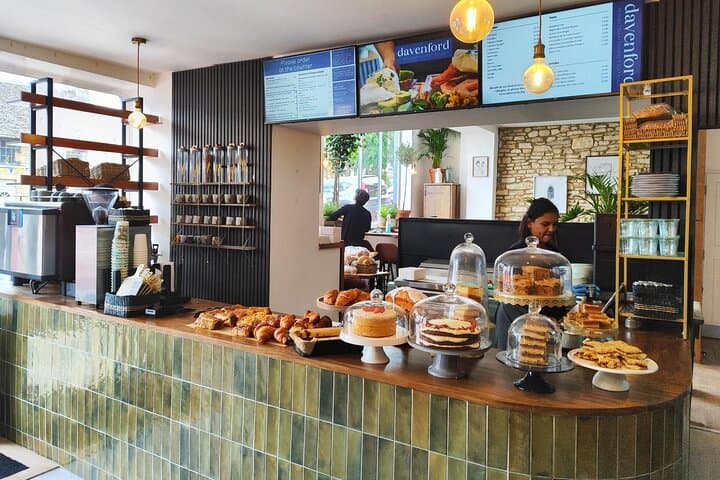
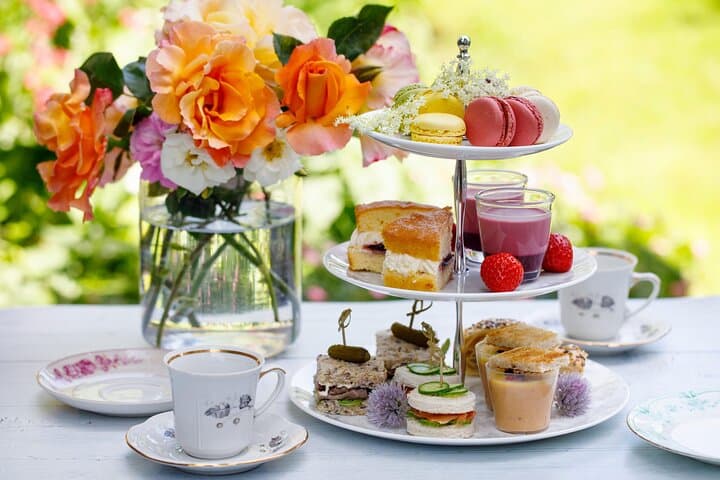
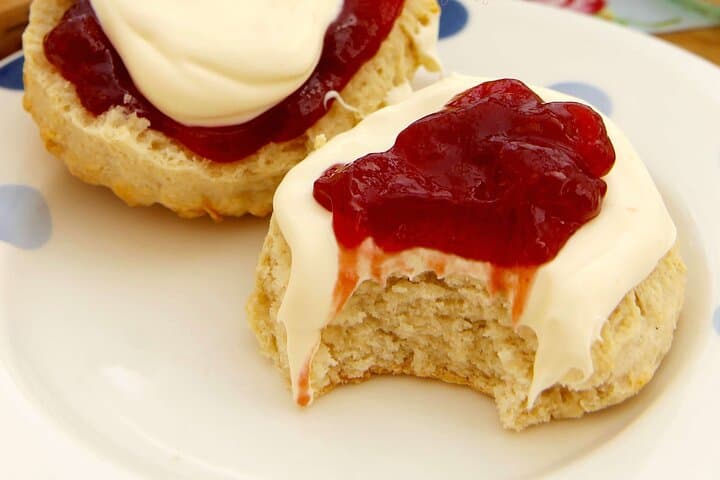
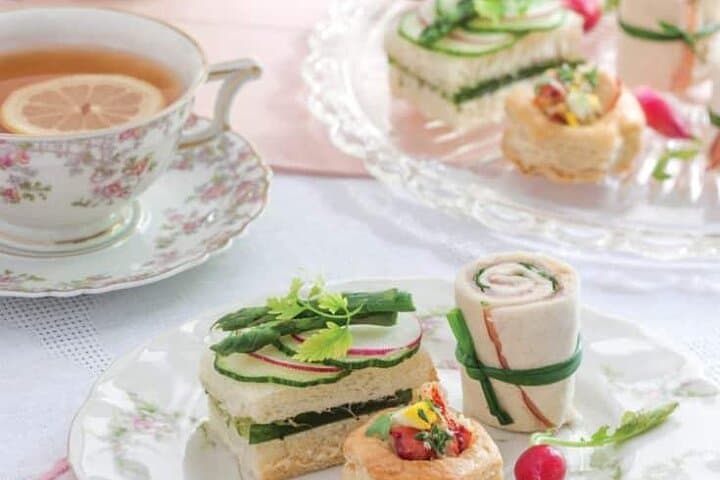
You step into a warm kitchen on Burford’s High Street, sunlight softening the honey-colored Cotswold stone through mullioned windows while the River Windrush murmurs nearby. The room smells of butter and citrus; bowls, scales and a kettle stand ready. In two hours you move from demonstration to hands-on work—whisking lemon curd, folding jam into jars and assembling a Victoria sponge—while a guide explains techniques and timings.
You step into a warm kitchen on Burford’s High Street, sunlight softening the honey-colored Cotswold stone through mullioned windows while the River Windrush murmurs nearby. The room smells of butter and citrus; bowls, scales and a kettle stand ready. In two hours you move from demonstration to hands-on work—whisking lemon curd, folding jam into jars and assembling a Victoria sponge—while a guide explains techniques and timings.
Burford sits on an old wool-route that shaped the Cotswolds; the local stone and market-house reflect 17th-century prosperity. Geology here matters: the oolitic limestone gives village walls their warm hue and the rolling hills that produce local dairy. Culture is present in small rituals—the precise teapot pour, the layered sponge—rooted in English tea-time traditions.
Expect a compact, social class: max eight people, ingredients and equipment provided, tea and coffee served. The experience emphasizes technique—curd consistency, jam set points, sponge folding—rather than professional patisserie. Practical points: the class cannot accommodate gluten-free diets, infants must sit on laps, and bookings are final. Public transport serves Burford, but arrive early to explore the High Street and riverside before the session.
Leave with jars, a recipe sheet and the confidence to recreate tastes back home. For planning: wear closed-toe shoes, bring a small tote for baked goods, and allow extra time to wander the Tolsey Museum or the riverside walk after class. It’s an intimate, tactile way to learn a quintessentially English ritual while enjoying one of the Cotswolds’ most photographed market towns.