THE ADVENTURE COLLECTIVE® · Independent discovery and booking for outdoor travel

Learn to roll pici by hand with Chef Alessandra in a two-hour, hands-on class inside a local craft beer bar. Mix flour, water and olive oil into thick pasta strands and finish with a bright basil-and-almond pesto you’ll recreate at home.
Learn to roll pici by hand with Chef Alessandra in a two-hour, hands-on class inside a local craft beer bar. Mix flour, water and olive oil into thick pasta strands and finish with a bright basil-and-almond pesto you’ll recreate at home.
You step into a warm, laughter-filled room inside a neighborhood craft beer bar, the scent of flour and olive oil cutting through the hum of fermenting tanks beyond the bar. Long communal tables are set with bowls of flour and water, and Chef Alessandra greets the group with a steady, approachable energy; the lesson begins with rhythm rather than recipes.
Verified experiences and guided adventures in the surrounding area.
Operated by Classpop! · Philadelphia, Pennsylvania
You step into a warm, laughter-filled room inside a neighborhood craft beer bar, the scent of flour and olive oil cutting through the hum of fermenting tanks beyond the bar. Long communal tables are set with bowls of flour and water, and Chef Alessandra greets the group with a steady, approachable energy; the lesson begins with rhythm rather than recipes.
Pici is a rustic Tuscan pasta born from peasant kitchens where flour and water were the only constants. Philadelphia’s deep Italian-American roots—visible in the nearby 9th Street Italian Market and old bakery storefronts—make the city an apt backdrop for this hands-on class. The space itself reflects modern local food culture: a public bar hosting a craft lesson, where regional brewing meets traditional Italian technique.
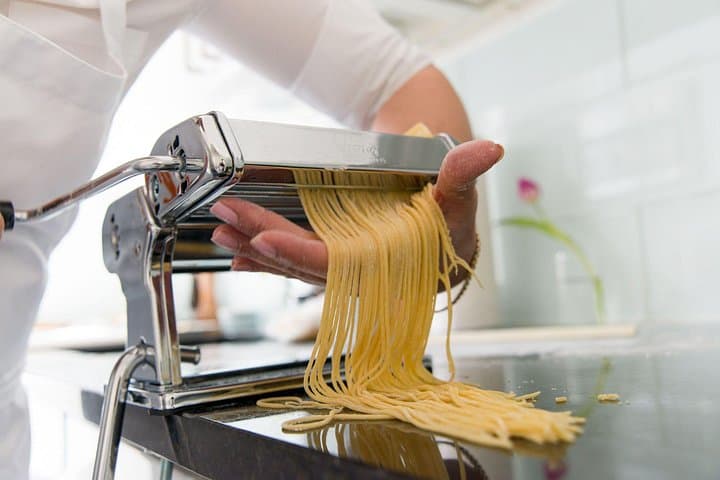
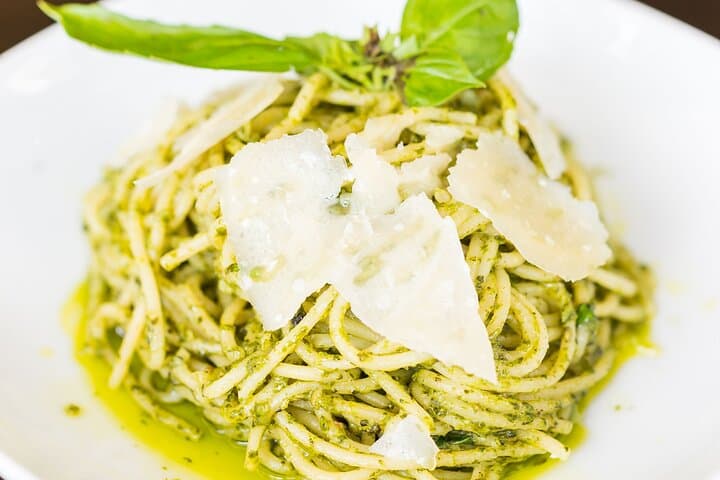
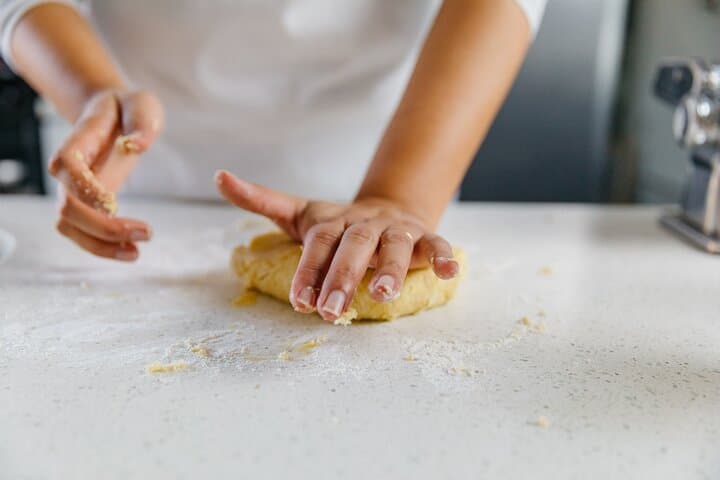
The process is tactile and forgiving: mix, rest, and roll into thick, uneven strands that hold sauce. You’ll also make a bright basil-and-almond pesto using Parmigiano Reggiano and learn quick tips for texture, seasoning and timing. Expect about two hours of standing work, intermittent demos, and a shared meal at the end.
Practical guidance: arrive 10 minutes early to check in, wear closed-toe shoes and clothes you don’t mind dusting with flour, and note dietary needs in advance. Bring a small container if you want leftovers; photos are welcome but keep flash off for demonstrations. This class is ideal for home cooks who want tactile technique—no machines, just hands and a good rhythm.
easy.
2 hours.
Light — standing and light manual work for the session; no special fitness required.
No — the class is designed for home cooks and beginners; Chef Alessandra guides every step of the pici-making process.
Yes — all ingredients and tools are supplied, and the class ends with a meal you helped make.
Yes — the host requests dietary needs in advance and will do their best to accommodate allergies and restrictions.
Yes — the venue and surfaces are listed as wheelchair accessible; contact the organizer ahead of time for specific arrangements.
Pici originates in rural Tuscany as a simple flour-and-water pasta; Philadelphia’s Italian-American neighborhoods echo that tradition with ingredient-focused home cooking.
Look for classes and venues that source local produce and minimize single-use packaging; composting food scraps and reducing waste are common practices in Philadelphia’s food scene.
Classpop! operates guided outdoor trips and adventures with an emphasis on safety, stewardship, and memorable experiences.
You step into a warm, laughter-filled room inside a neighborhood craft beer bar, the scent of flour and olive oil cutting through the hum of fermenting tanks beyond the bar. Long communal tables are set with bowls of flour and water, and Chef Alessandra greets the group with a steady, approachable energy; the lesson begins with rhythm rather than recipes.
You step into a warm, laughter-filled room inside a neighborhood craft beer bar, the scent of flour and olive oil cutting through the hum of fermenting tanks beyond the bar. Long communal tables are set with bowls of flour and water, and Chef Alessandra greets the group with a steady, approachable energy; the lesson begins with rhythm rather than recipes.
Pici is a rustic Tuscan pasta born from peasant kitchens where flour and water were the only constants. Philadelphia’s deep Italian-American roots—visible in the nearby 9th Street Italian Market and old bakery storefronts—make the city an apt backdrop for this hands-on class. The space itself reflects modern local food culture: a public bar hosting a craft lesson, where regional brewing meets traditional Italian technique.
The process is tactile and forgiving: mix, rest, and roll into thick, uneven strands that hold sauce. You’ll also make a bright basil-and-almond pesto using Parmigiano Reggiano and learn quick tips for texture, seasoning and timing. Expect about two hours of standing work, intermittent demos, and a shared meal at the end.
Practical guidance: arrive 10 minutes early to check in, wear closed-toe shoes and clothes you don’t mind dusting with flour, and note dietary needs in advance. Bring a small container if you want leftovers; photos are welcome but keep flash off for demonstrations. This class is ideal for home cooks who want tactile technique—no machines, just hands and a good rhythm.