THE ADVENTURE COLLECTIVE® · Independent discovery and booking for outdoor travel

Make your own espadrilles with three-generation artisans, then pedal through Barcelona’s Gothic lanes, Parc de la Ciutadella and the Mediterranean waterfront. This half-day combo blends hands-on craft with an easy urban bike ride.
Make your own espadrilles with three-generation artisans, then pedal through Barcelona’s Gothic lanes, Parc de la Ciutadella and the Mediterranean waterfront. This half-day combo blends hands-on craft with an easy urban bike ride.
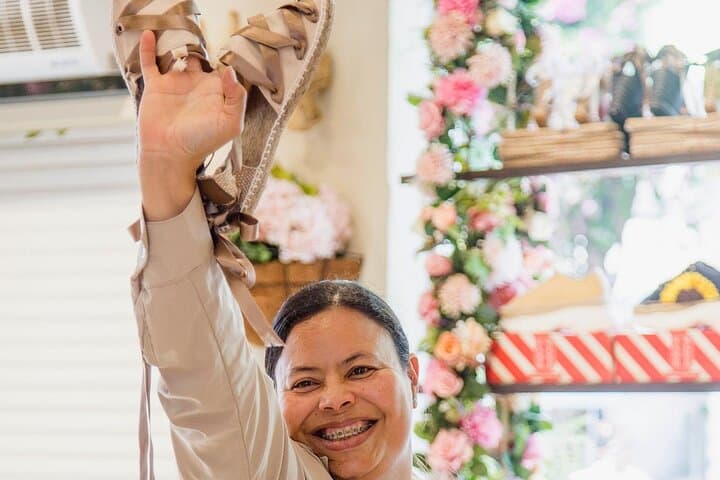
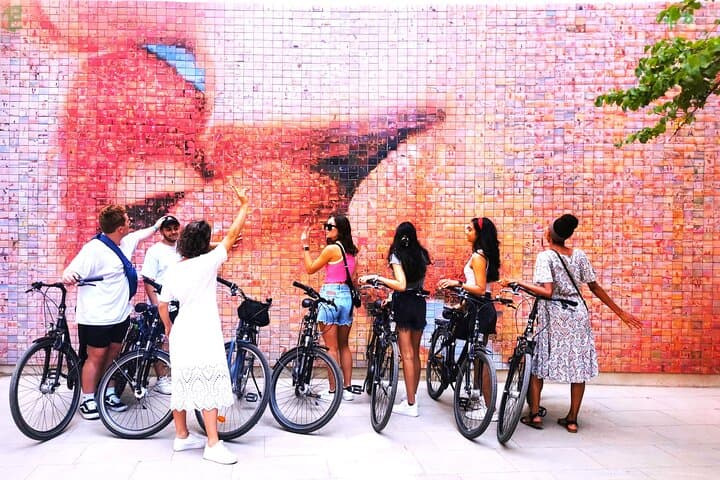
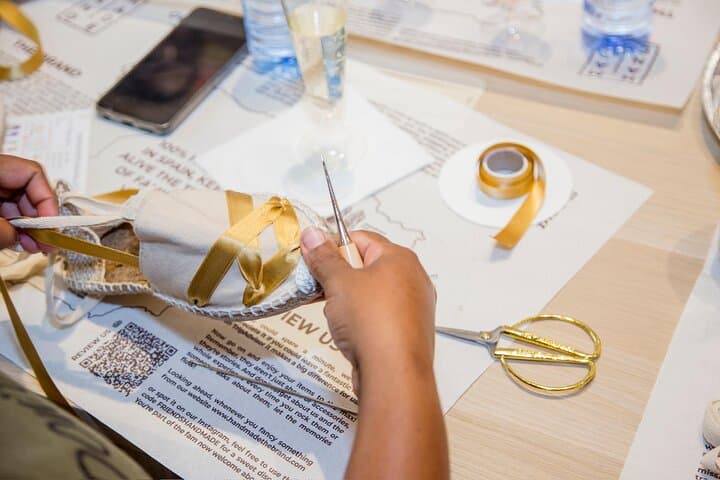
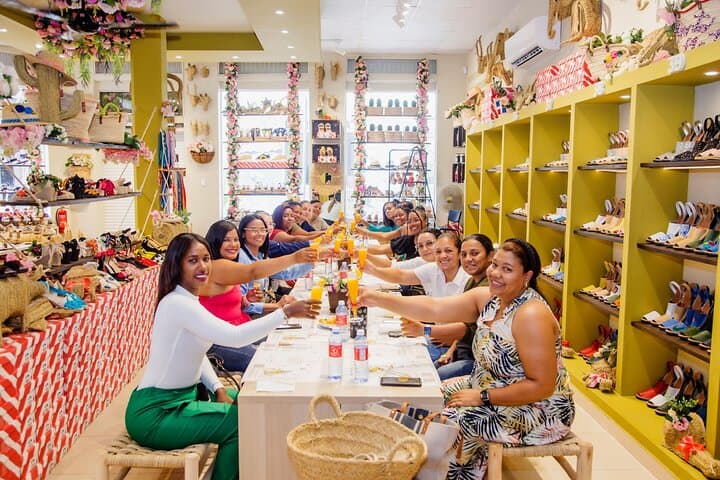
The workshop room smells faintly of glue and citrus as the city hums beyond the windows; scraps of jute, canvas and thread sit ready while a line of bicycles leans against a sunlit wall, helmets clipped and tires whispering promises of the sea.
Verified experiences and guided adventures in the surrounding area.
Operated by Be Like Us Barcelona Tours · Barcelona, Catalonia
The workshop room smells faintly of glue and citrus as the city hums beyond the windows; scraps of jute, canvas and thread sit ready while a line of bicycles leans against a sunlit wall, helmets clipped and tires whispering promises of the sea.
You begin by tracing soles—an artisan walks you through three generations of espadrillera techniques, explaining how simple fibers became a regional footwear icon. Barcelona itself is on display outside: narrow Gothic lanes that remember medieval guilds, the stately arcades of Arc de Triomf, and the linear energy of the seafront where the Mediterranean pushes light across Port Olímpic.
The experience pairs hands-on craft with a measured urban ride. In the workshop you choose stitching and finishes; skilled makers guide each step and you leave with a wearable souvenir. The ride is 90–120 minutes on mostly flat, bike-lane-friendly streets, moving through El Born, the Parc de la Ciutadella, and the beachfront. Expect cobbled alleys, tram tracks, and open promenades.
Cultural notes: espadrilles originated in rural Iberia and evolved into a city staple; Barcelona’s layers of Roman, Gothic and Modernist architecture are visible within blocks. Practical guidance: wear closed-toe shoes for the workshop, bring a small daypack, and hydrate—the Mediterranean sun can intensify between May and September.
This combo is accessible for most fitness levels but requires basic bike handling and attention in traffic. It’s a compact way to feel the city’s craft ethos and coastal pulse in a single afternoon—hands busy, wheels turning, and a new pair of shoes already forming under your fingers.
easy.
3–4 hours.
Suitable for most adults with basic mobility; requires short periods of standing and moderate bike handling.
No—trainers guide every step and materials are provided; the session is designed for beginners.
Yes, helmets are supplied and fit to each participant; you’re welcome to bring your own.
You start the pair in the workshop and they’re finished and boxed for pickup at the end of the tour.
The route is mostly flat and on bike lanes, but younger children should use child seats or trailers and riders must be comfortable with city traffic.
Espadrilles originated in rural Spain and evolved into an urban craft; Barcelona’s streets reflect Roman roots, medieval growth and Modernist reinvention.
Choose bike lanes and local businesses to reduce car traffic and support small artisans; avoid single-use plastics and take finished crafts home in reusable bags.
Be Like Us Barcelona Tours operates guided outdoor trips and adventures with an emphasis on safety, stewardship, and memorable experiences.
The workshop room smells faintly of glue and citrus as the city hums beyond the windows; scraps of jute, canvas and thread sit ready while a line of bicycles leans against a sunlit wall, helmets clipped and tires whispering promises of the sea.
The workshop room smells faintly of glue and citrus as the city hums beyond the windows; scraps of jute, canvas and thread sit ready while a line of bicycles leans against a sunlit wall, helmets clipped and tires whispering promises of the sea.
You begin by tracing soles—an artisan walks you through three generations of espadrillera techniques, explaining how simple fibers became a regional footwear icon. Barcelona itself is on display outside: narrow Gothic lanes that remember medieval guilds, the stately arcades of Arc de Triomf, and the linear energy of the seafront where the Mediterranean pushes light across Port Olímpic.
The experience pairs hands-on craft with a measured urban ride. In the workshop you choose stitching and finishes; skilled makers guide each step and you leave with a wearable souvenir. The ride is 90–120 minutes on mostly flat, bike-lane-friendly streets, moving through El Born, the Parc de la Ciutadella, and the beachfront. Expect cobbled alleys, tram tracks, and open promenades.
Cultural notes: espadrilles originated in rural Iberia and evolved into a city staple; Barcelona’s layers of Roman, Gothic and Modernist architecture are visible within blocks. Practical guidance: wear closed-toe shoes for the workshop, bring a small daypack, and hydrate—the Mediterranean sun can intensify between May and September.
This combo is accessible for most fitness levels but requires basic bike handling and attention in traffic. It’s a compact way to feel the city’s craft ethos and coastal pulse in a single afternoon—hands busy, wheels turning, and a new pair of shoes already forming under your fingers.