THE ADVENTURE COLLECTIVE® · Independent discovery and booking for outdoor travel

A single day across Bali’s highlands and coast links iconic temples, UNESCO rice terraces and a rainforest waterfall. Expect short walks, cultural stops and dramatic photo ops—plan for eight hours and mixed terrain.
A single day across Bali’s highlands and coast links iconic temples, UNESCO rice terraces and a rainforest waterfall. Expect short walks, cultural stops and dramatic photo ops—plan for eight hours and mixed terrain.
You step into the day as the vehicle peels away from Ubud’s morning haze and the road climbs toward central Bali’s cooler rim. Ocean spray from Tanah Lot still clings to the air on the first stop — the rock-bound temple that tests the tide — then the route threads inland through raked fields until the terraces of Jatiluwih open like a green staircase. Handara’s carved gate punctuates the volcanic skyline; Banyumala’s cascade waits hidden in a fern-draped ravine.
Verified experiences and guided adventures in the surrounding area.
Operated by Abadi Bali Transport & Tour · Ubud, Bali
You step into the day as the vehicle peels away from Ubud’s morning haze and the road climbs toward central Bali’s cooler rim. Ocean spray from Tanah Lot still clings to the air on the first stop — the rock-bound temple that tests the tide — then the route threads inland through raked fields until the terraces of Jatiluwih open like a green staircase. Handara’s carved gate punctuates the volcanic skyline; Banyumala’s cascade waits hidden in a fern-draped ravine.
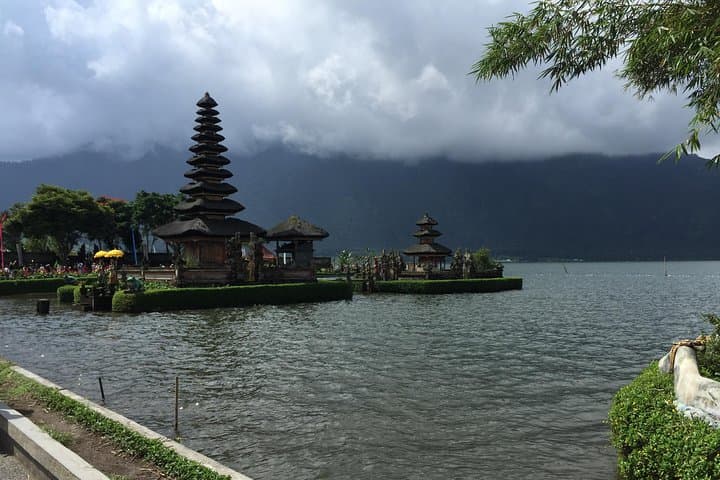
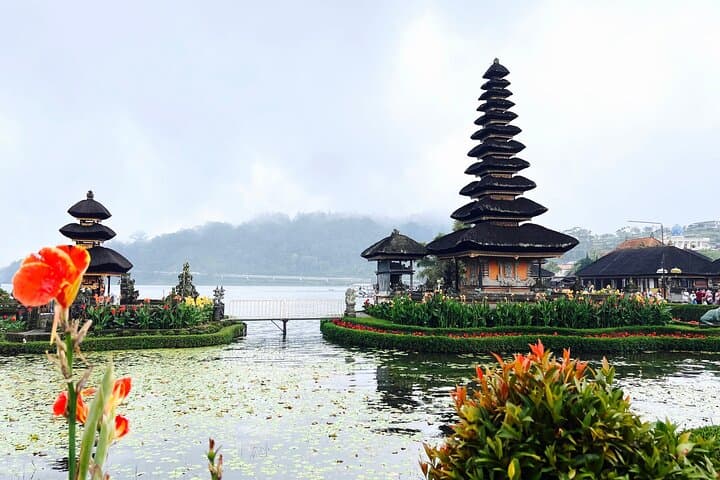
This loop stitches together Bali’s layered history: Subak irrigation shaping rice culture for centuries, Ulun Danu Bratan’s 17th‑century shrines for the lake goddess Dewi Danu, and Hindu sea‑temple traditions at Tanah Lot. Geologically, the highlands are volcanic, with crater lakes and deep ravines feeding the island’s streams and waterfalls. Culturally, expect temple etiquette — sarongs for women and modest dress for men — and small roadside offerings common at shrines.
Practically, the full day runs about eight hours with mostly easy walking: short temple circuits, a light trek on the Jatiluwih paths and a steep, often damp descent to Banyumala’s pool. Wear grippy shoes for slippery stone and water trails, carry a rain layer during wet months, and bring cash for temple donations and local snacks. Start early to avoid crowds at Handara Gate and Tanah Lot; aim for late morning at the rice terraces when the light sculpts the contours. Respect marked paths in rice fields and local farming practices—stick to trails, leave no litter, and keep noise low around temple precincts.
moderate.
8 hours.
Suitable for travelers with basic mobility; involves short hikes and uneven terrain—able to walk 30–60 minutes on dirt paths.
The tour is about eight hours, typically starting with hotel pickup around 8:30 AM and returning by late afternoon.
Only short, sometimes steep or slippery descents (notably to Banyumala); most visits are easy walks around temples and along terrace paths.
Yes—bring small denominations of Indonesian rupiah for entrance fees, sarong rentals, snacks and tips; card acceptance is limited.
Children must be accompanied by an adult; the tour is not recommended for pregnant travelers due to uneven terrain and stairs.
The Jatiluwih terraces are part of Bali’s Subak irrigation system, a cultural landscape recognized by UNESCO for communal water management that dates back centuries.
Stay on marked trails, avoid stepping on rice terraces and pack out trash; these areas rely on small-scale farming so limit disturbance to fields and waterways.
Abadi Bali Transport & Tour operates guided outdoor trips and adventures with an emphasis on safety, stewardship, and memorable experiences.
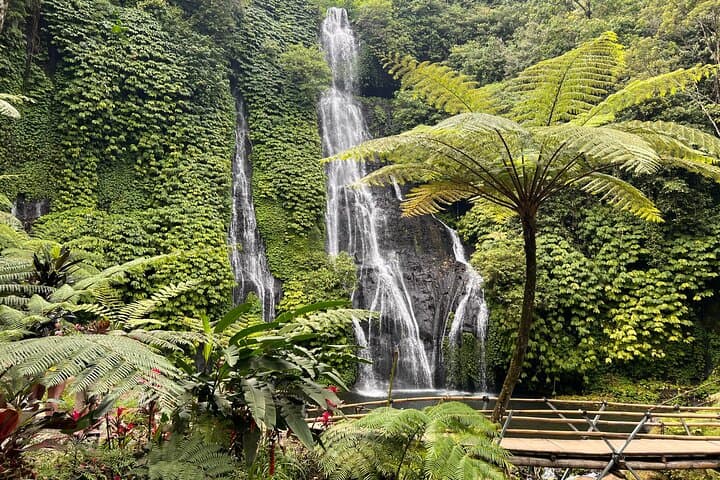
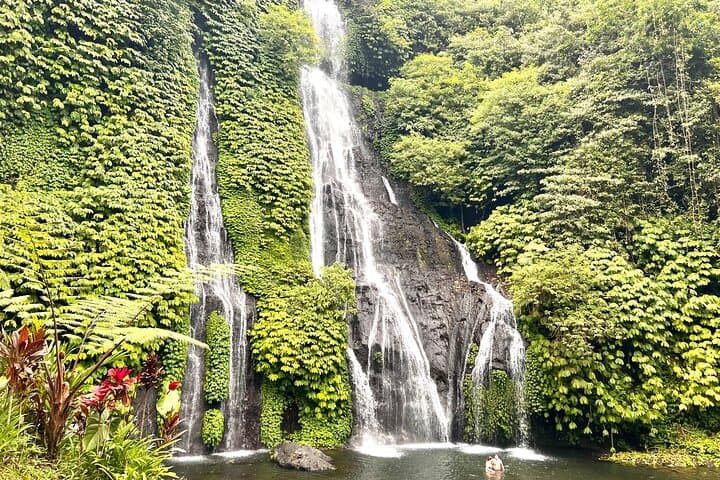
You step into the day as the vehicle peels away from Ubud’s morning haze and the road climbs toward central Bali’s cooler rim. Ocean spray from Tanah Lot still clings to the air on the first stop — the rock-bound temple that tests the tide — then the route threads inland through raked fields until the terraces of Jatiluwih open like a green staircase. Handara’s carved gate punctuates the volcanic skyline; Banyumala’s cascade waits hidden in a fern-draped ravine.
You step into the day as the vehicle peels away from Ubud’s morning haze and the road climbs toward central Bali’s cooler rim. Ocean spray from Tanah Lot still clings to the air on the first stop — the rock-bound temple that tests the tide — then the route threads inland through raked fields until the terraces of Jatiluwih open like a green staircase. Handara’s carved gate punctuates the volcanic skyline; Banyumala’s cascade waits hidden in a fern-draped ravine.
This loop stitches together Bali’s layered history: Subak irrigation shaping rice culture for centuries, Ulun Danu Bratan’s 17th‑century shrines for the lake goddess Dewi Danu, and Hindu sea‑temple traditions at Tanah Lot. Geologically, the highlands are volcanic, with crater lakes and deep ravines feeding the island’s streams and waterfalls. Culturally, expect temple etiquette — sarongs for women and modest dress for men — and small roadside offerings common at shrines.
Practically, the full day runs about eight hours with mostly easy walking: short temple circuits, a light trek on the Jatiluwih paths and a steep, often damp descent to Banyumala’s pool. Wear grippy shoes for slippery stone and water trails, carry a rain layer during wet months, and bring cash for temple donations and local snacks. Start early to avoid crowds at Handara Gate and Tanah Lot; aim for late morning at the rice terraces when the light sculpts the contours. Respect marked paths in rice fields and local farming practices—stick to trails, leave no litter, and keep noise low around temple precincts.