THE ADVENTURE COLLECTIVE® · Independent discovery and booking for outdoor travel

Trade screens for clay in a hands-on handbuilding workshop where instructors teach pinch, coil and slab techniques. Expect a 2½-hour, all-materials-included session with glazing and firing handled by the studio.
Trade screens for clay in a hands-on handbuilding workshop where instructors teach pinch, coil and slab techniques. Expect a 2½-hour, all-materials-included session with glazing and firing handled by the studio.
Step into a sunlit studio where the room smells faintly of clay and kiln heat, and a slab of cool earth yields under your fingertips. The Hand-Built Ceramics Workshop trades digital distraction for tactile focus: you’ll press, coil and shape raw clay into bowls, mugs or small sculptures while an instructor moves between stations, offering precise adjustments and encouragement.
Verified experiences and guided adventures in the surrounding area.
Operated by The Spinning Wheel ATX · Austin, Texas
Step into a sunlit studio where the room smells faintly of clay and kiln heat, and a slab of cool earth yields under your fingertips. The Hand-Built Ceramics Workshop trades digital distraction for tactile focus: you’ll press, coil and shape raw clay into bowls, mugs or small sculptures while an instructor moves between stations, offering precise adjustments and encouragement.
Handbuilding is one of pottery’s oldest languages — pinch, coil and slab techniques predate the wheel and remain the core of studio practice. Geology feeds the craft: clay’s behavior depends on mineral makeup (kaolinite, montmorillonite) and local tempering materials; Texas clays range from fine white to iron-rich reds, each lending different textures and firing responses. The regional maker scene in Austin favors functional, grounded objects and communal studio culture: expect shared kilns, glaze cabinets, and a relaxed pace where experimentation is valued.
Practically, the class runs about 2½ hours and focuses on handbuilding methods rather than wheel throwing. All materials, tools and basic glazes are provided; instructors handle firing and glazing unless specified otherwise. Pieces will typically require drying and at least one bisque and glaze firing — plan to return for pickup or arrange delivery if the studio offers it.
Wear clothes you don’t mind getting speckled; clay will cling to cuffs. Bring a sketch or reference if you have a specific design in mind. Hydration and short breaks keep hands limber; a small towel is useful for dampening or wiping. Whether you’re after a functional mug or an expressive sculpture, this workshop turns raw mud into something quietly durable and entirely yours.
easy.
2–3 hours.
Minimal physical exertion; basic hand strength and fine motor control recommended
Yes — most studios keep pieces for drying, bisque and glaze firings and return finished work for pickup or shipping; timelines vary by studio (usually 1–6 weeks).
Absolutely — the workshop focuses on fundamental handbuilding techniques and is designed for all skill levels with personalized instructor guidance.
Yes — clay, tools and basic glazes are included; specialty glazes or extra firings may cost extra.
Many studios are wheelchair accessible and can accommodate mobility needs; check with the operator ahead of time about specific access or assistance requirements.
Handbuilding techniques predate the potter’s wheel and remain central to studio ceramics; the region also has a long history of Indigenous pottery traditions that influence contemporary makers.
Choose studios that recycle clay scraps and use lead-free glazes; ask how they handle wastewater and kiln efficiency to reduce environmental impact.
The Spinning Wheel ATX operates guided outdoor trips and adventures with an emphasis on safety, stewardship, and memorable experiences.
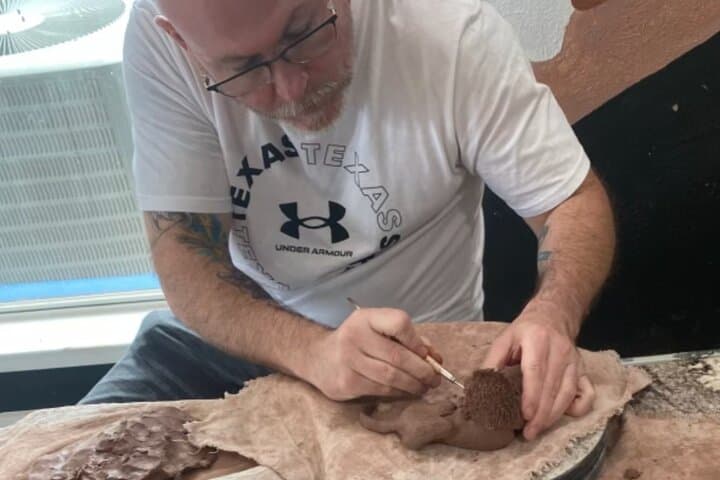
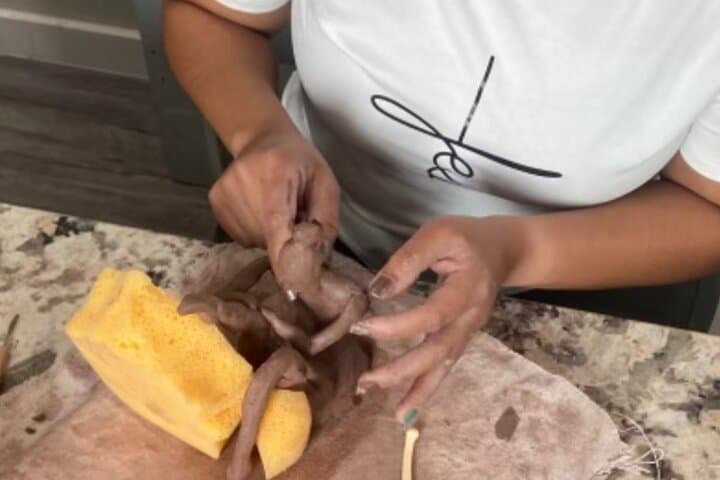
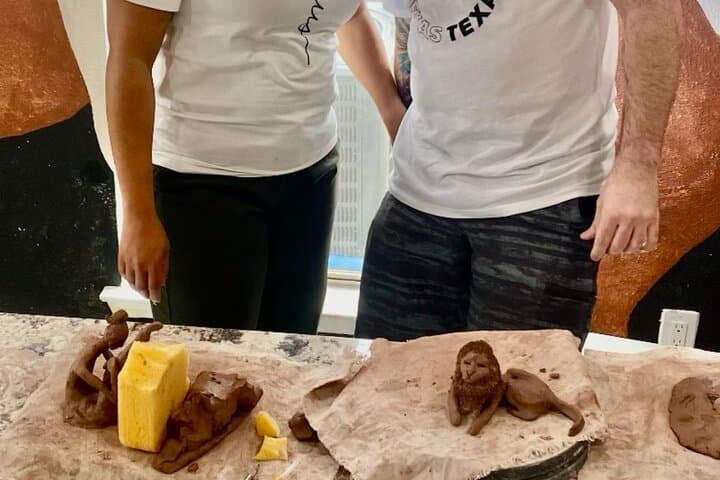
Step into a sunlit studio where the room smells faintly of clay and kiln heat, and a slab of cool earth yields under your fingertips. The Hand-Built Ceramics Workshop trades digital distraction for tactile focus: you’ll press, coil and shape raw clay into bowls, mugs or small sculptures while an instructor moves between stations, offering precise adjustments and encouragement.
Step into a sunlit studio where the room smells faintly of clay and kiln heat, and a slab of cool earth yields under your fingertips. The Hand-Built Ceramics Workshop trades digital distraction for tactile focus: you’ll press, coil and shape raw clay into bowls, mugs or small sculptures while an instructor moves between stations, offering precise adjustments and encouragement.
Handbuilding is one of pottery’s oldest languages — pinch, coil and slab techniques predate the wheel and remain the core of studio practice. Geology feeds the craft: clay’s behavior depends on mineral makeup (kaolinite, montmorillonite) and local tempering materials; Texas clays range from fine white to iron-rich reds, each lending different textures and firing responses. The regional maker scene in Austin favors functional, grounded objects and communal studio culture: expect shared kilns, glaze cabinets, and a relaxed pace where experimentation is valued.
Practically, the class runs about 2½ hours and focuses on handbuilding methods rather than wheel throwing. All materials, tools and basic glazes are provided; instructors handle firing and glazing unless specified otherwise. Pieces will typically require drying and at least one bisque and glaze firing — plan to return for pickup or arrange delivery if the studio offers it.
Wear clothes you don’t mind getting speckled; clay will cling to cuffs. Bring a sketch or reference if you have a specific design in mind. Hydration and short breaks keep hands limber; a small towel is useful for dampening or wiping. Whether you’re after a functional mug or an expressive sculpture, this workshop turns raw mud into something quietly durable and entirely yours.