THE ADVENTURE COLLECTIVE® · Independent discovery and booking for outdoor travel

Step into Jeonju Hanok Village in a hanbok from Hanboknam and turn cobblestone streets into your personal photoshoot. This guide explains what to expect, how to choose a style, and practical tips to make the most of a 90‑minute rental.
Step into Jeonju Hanok Village in a hanbok from Hanboknam and turn cobblestone streets into your personal photoshoot. This guide explains what to expect, how to choose a style, and practical tips to make the most of a 90‑minute rental.
A stone alley narrows and the wooden eaves lean close enough to catch the shadow of your sleeve. In Jeonju Hanok Village, the past steps out onto cobblestones—roof tiles click when rain arrives, and courtyards breathe a quiet composure. Wearing a hanbok here feels less like a costume and more like a temporary agreement with the village: move slowly, look closely.
Verified experiences and guided adventures in the surrounding area.
Operated by SEOUL PASS · Jeonju, Jeollabuk-do
A stone alley narrows and the wooden eaves lean close enough to catch the shadow of your sleeve. In Jeonju Hanok Village, the past steps out onto cobblestones—roof tiles click when rain arrives, and courtyards breathe a quiet composure. Wearing a hanbok here feels less like a costume and more like a temporary agreement with the village: move slowly, look closely.
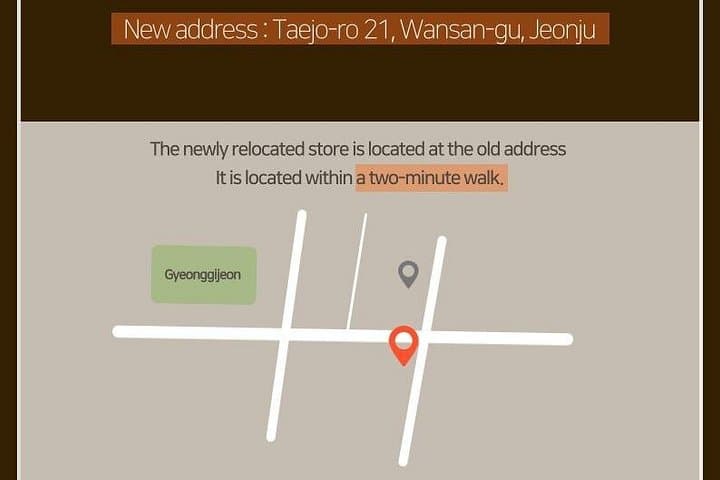
Jeonju’s Hanok Village preserves wooden architecture from the Joseon period and sits near Gyeonggijeon, where the city’s role as a cultural center is recorded in painted royal portraits. The hanbok itself evolved across centuries—practical lines, layered skirts, and the occasional embroidered flourish—and modern ateliers like Hanboknam provide styles that reference both classical and drama-inspired designs.
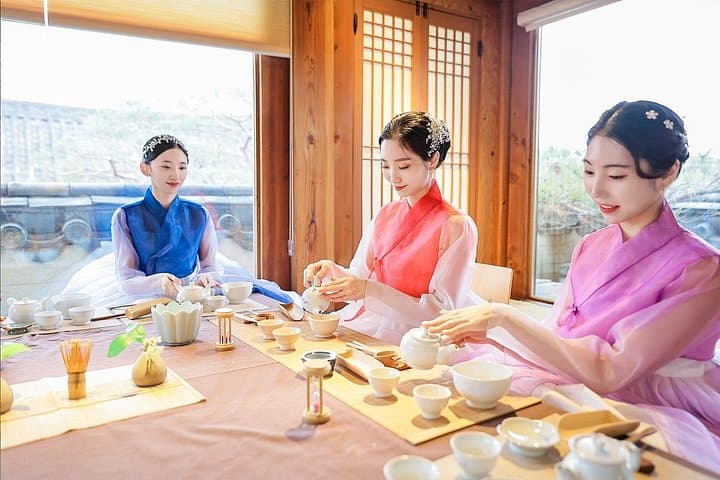
Expect more than fabric. Hanboknam stocks roughly 500 garments across basic, themed, and premium tiers, plus optional hair styling and accessories to complete portraits on paper lantern-lit lanes. Sizes span infants to XXL; service typically runs about 90 minutes, enough for dressing, styling, and a photoshoot among tiled roofs.
Practical guidance: bring ID, plan for at least 90 minutes, and reserve a slot during softer light—late afternoon is ideal for photos. Wear shoes that are easy to remove when sitting for dressing; if you want extended time, request it up front to avoid per‑10‑minute overage fees. Treat fabrics gently—extra charges apply for damage—and leave bulky bags in a provided locker if you need mobility. With thoughtful pacing, a Hanboknam rental turns an afternoon in Jeonju into a tactile step through Korea’s visual history.
easy.
1–2 hours.
Suitable for all fitness levels; requires basic mobility to stand and walk on uneven cobbles while wearing traditional garments
Yes—Hanboknam carries sizes from 12 months and offers child options; booking should note ages to ensure correct sizing.
Basic hairstyling is available; additional or elaborate styles may incur extra charges—confirm at booking.
Standard sessions are approximately 90 minutes; full‑day rentals are sometimes offered but must be returned by shop closing for 1‑day options.
Damage or staining may result in extra charges—treat garments carefully and follow staff guidance while wearing the hanbok.
Jeonju was an early cultural center and the birthplace region of the Joseon dynasty; the hanok district preserves urban wooden architecture and ceremonial sites tied to that heritage.
Respectful use of historic spaces is emphasized—avoid stepping on courtyard thresholds, and businesses ask that visitors minimize fabric contact with floors and props to reduce wear.
SEOUL PASS operates guided outdoor trips and adventures with an emphasis on safety, stewardship, and memorable experiences.
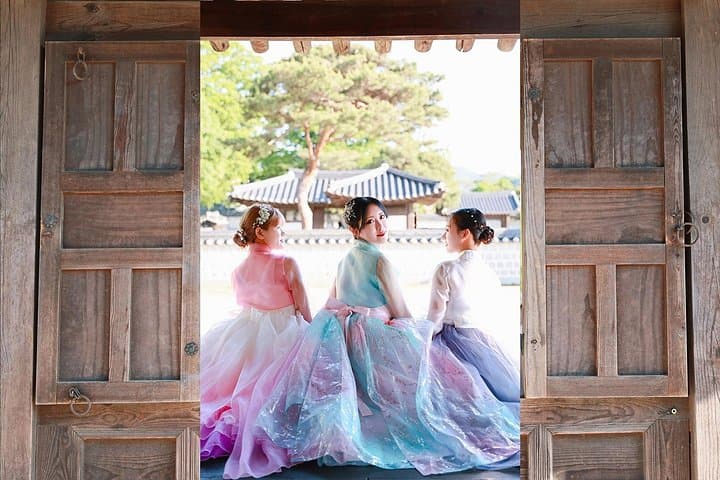
A stone alley narrows and the wooden eaves lean close enough to catch the shadow of your sleeve. In Jeonju Hanok Village, the past steps out onto cobblestones—roof tiles click when rain arrives, and courtyards breathe a quiet composure. Wearing a hanbok here feels less like a costume and more like a temporary agreement with the village: move slowly, look closely.
A stone alley narrows and the wooden eaves lean close enough to catch the shadow of your sleeve. In Jeonju Hanok Village, the past steps out onto cobblestones—roof tiles click when rain arrives, and courtyards breathe a quiet composure. Wearing a hanbok here feels less like a costume and more like a temporary agreement with the village: move slowly, look closely.
Jeonju’s Hanok Village preserves wooden architecture from the Joseon period and sits near Gyeonggijeon, where the city’s role as a cultural center is recorded in painted royal portraits. The hanbok itself evolved across centuries—practical lines, layered skirts, and the occasional embroidered flourish—and modern ateliers like Hanboknam provide styles that reference both classical and drama-inspired designs.
Expect more than fabric. Hanboknam stocks roughly 500 garments across basic, themed, and premium tiers, plus optional hair styling and accessories to complete portraits on paper lantern-lit lanes. Sizes span infants to XXL; service typically runs about 90 minutes, enough for dressing, styling, and a photoshoot among tiled roofs.
Practical guidance: bring ID, plan for at least 90 minutes, and reserve a slot during softer light—late afternoon is ideal for photos. Wear shoes that are easy to remove when sitting for dressing; if you want extended time, request it up front to avoid per‑10‑minute overage fees. Treat fabrics gently—extra charges apply for damage—and leave bulky bags in a provided locker if you need mobility. With thoughtful pacing, a Hanboknam rental turns an afternoon in Jeonju into a tactile step through Korea’s visual history.