THE ADVENTURE COLLECTIVE® · Independent discovery and booking for outdoor travel

Wear a premium hanbok and spend a private day exploring Gyeongbokgung, Bukchon Hanok Village and the Korean Folk Village. This guided, 9‑hour route combines palace ceremony, traditional architecture and living-history demonstrations — all with hotel pickup and drop-off in Seoul.
Wear a premium hanbok and spend a private day exploring Gyeongbokgung, Bukchon Hanok Village and the Korean Folk Village. This guided, 9‑hour route combines palace ceremony, traditional architecture and living-history demonstrations — all with hotel pickup and drop-off in Seoul.
You step from a private vehicle onto the flagstone apron of Gyeongbokgung, silk sleeves brushing cool air as the palace gates stand formal and unmoved. The changing of the royal guard at Gwanghwamun punctuates the morning with drums and banners; a photographer’s window into the choreography of a dynasty.
Verified experiences and guided adventures in the surrounding area.
Operated by Seoul N Tour · Seoul, Seoul
You step from a private vehicle onto the flagstone apron of Gyeongbokgung, silk sleeves brushing cool air as the palace gates stand formal and unmoved. The changing of the royal guard at Gwanghwamun punctuates the morning with drums and banners; a photographer’s window into the choreography of a dynasty.
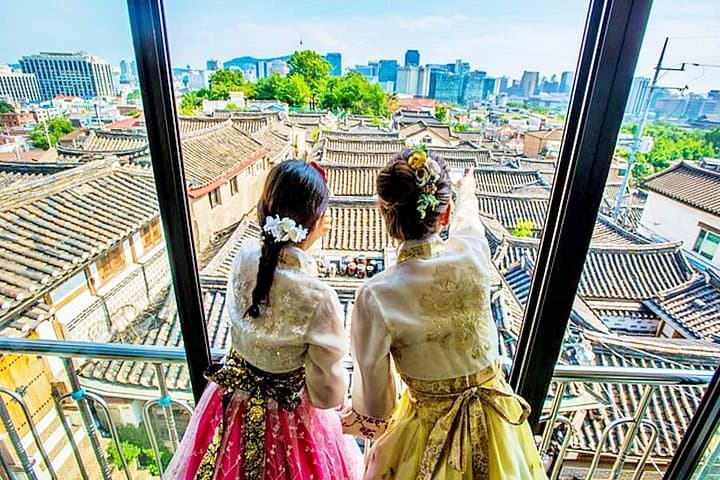
This full‑day private tour carries a clear throughline: Joseon-era culture rendered tangible. Wearing a premium hanbok for several hours, you move from the palace’s painted pavilions into Bukchon’s narrow lanes where tiled roofs and wooden beams trace urban life from the 15th century. Later, after a local lunch in Insadong, the highway carries you to Yongin’s Korean Folk Village — a living museum of late-Joseon architecture, craft workshops, and staged performances that illustrate rural and civic routines of the past.
Geology here is unobtrusive: low hills and river valleys that funneled settlement and commerce. Culture is central — from textile craft to Confucian civic order — and guides often point out small architectural details that signal rank, marriage customs, and household economics.
Practicalities matter: hanbok rental is included but limits vigorous movement; plan modest walking, stair negotiation, and photo stops. Bring an ID for rental, slip‑on shoes for quick changes, sun protection for courtyard time, and a small water bottle. Aim for earlier starts to avoid peak crowds at the palace and leave extra time for traffic to and from Yongin. The day is equal parts portrait and lesson — public history you can wear.
moderate.
8–10 hours.
Moderate: comfortable walking on cobbles and stairs, standing for ceremonies and brief hikes around exhibits.
Yes — premium hanbok rental for approximately four hours is included; sizes vary, and guides will assist with dressing.
Private pickup and drop-off are provided anywhere inside Seoul; exact time and meeting point are confirmed at booking.
The tour is family-friendly but involves walking on uneven surfaces and stairs; not recommended for guests with serious mobility or spinal issues.
Admission and typical daytime performances are included, though specific shows run on schedules and may vary by season.
The itinerary centers on Joseon dynasty institutions: Gyeongbokgung was the main royal palace built in 1395, and Bukchon preserves urban hanok architecture from that era; the Korean Folk Village reconstructs late-Joseon rural life.
High foot traffic in Bukchon and palace grounds stresses traditional structures; follow local rules, avoid stepping on low thresholds, and support local craftspeople to help preservation efforts.
Seoul N Tour operates guided outdoor trips and adventures with an emphasis on safety, stewardship, and memorable experiences.
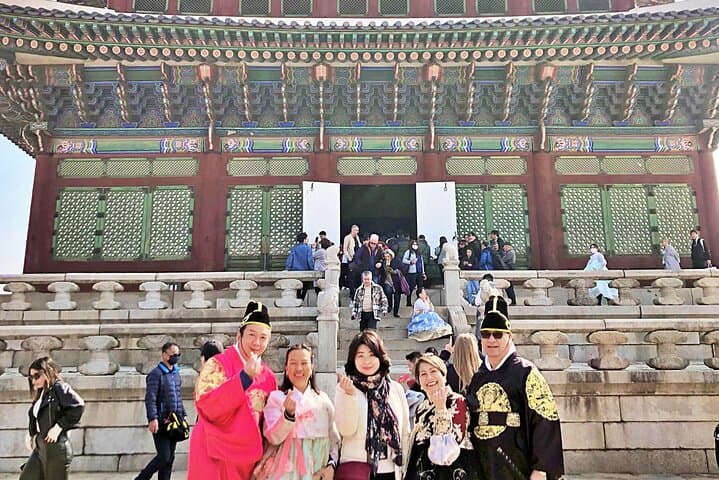
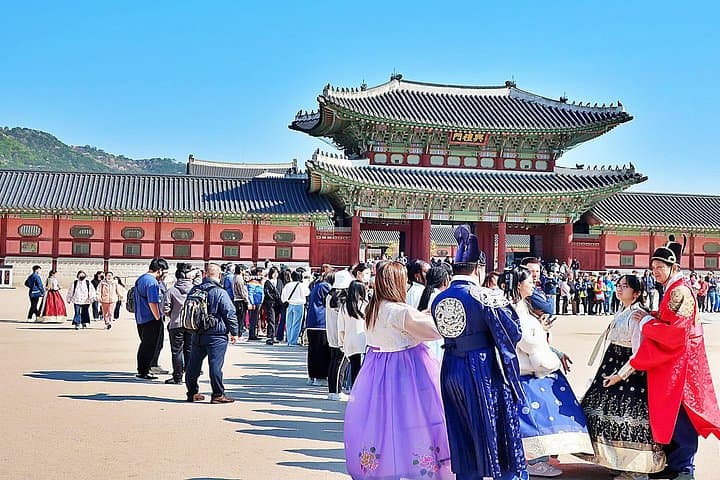
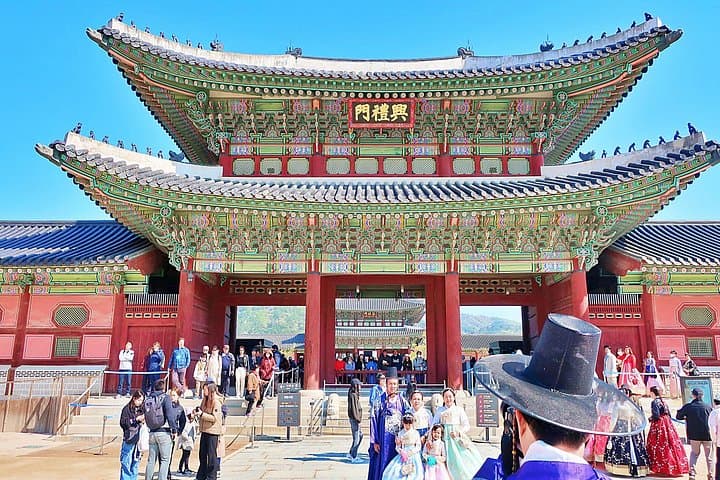
You step from a private vehicle onto the flagstone apron of Gyeongbokgung, silk sleeves brushing cool air as the palace gates stand formal and unmoved. The changing of the royal guard at Gwanghwamun punctuates the morning with drums and banners; a photographer’s window into the choreography of a dynasty.
You step from a private vehicle onto the flagstone apron of Gyeongbokgung, silk sleeves brushing cool air as the palace gates stand formal and unmoved. The changing of the royal guard at Gwanghwamun punctuates the morning with drums and banners; a photographer’s window into the choreography of a dynasty.
This full‑day private tour carries a clear throughline: Joseon-era culture rendered tangible. Wearing a premium hanbok for several hours, you move from the palace’s painted pavilions into Bukchon’s narrow lanes where tiled roofs and wooden beams trace urban life from the 15th century. Later, after a local lunch in Insadong, the highway carries you to Yongin’s Korean Folk Village — a living museum of late-Joseon architecture, craft workshops, and staged performances that illustrate rural and civic routines of the past.
Geology here is unobtrusive: low hills and river valleys that funneled settlement and commerce. Culture is central — from textile craft to Confucian civic order — and guides often point out small architectural details that signal rank, marriage customs, and household economics.
Practicalities matter: hanbok rental is included but limits vigorous movement; plan modest walking, stair negotiation, and photo stops. Bring an ID for rental, slip‑on shoes for quick changes, sun protection for courtyard time, and a small water bottle. Aim for earlier starts to avoid peak crowds at the palace and leave extra time for traffic to and from Yongin. The day is equal parts portrait and lesson — public history you can wear.