THE ADVENTURE COLLECTIVE® · Independent discovery and booking for outdoor travel

Step into Joseon-era Seoul wearing a hanbok and walk the grand courtyards of Gyeongbokgung, then move through Insadong and Ikseondong’s alleyways for craft shops and a traditional yakgwa dessert. This 2–3 hour tour pairs living history with modern café culture.
Step into Joseon-era Seoul wearing a hanbok and walk the grand courtyards of Gyeongbokgung, then move through Insadong and Ikseondong’s alleyways for craft shops and a traditional yakgwa dessert. This 2–3 hour tour pairs living history with modern café culture.
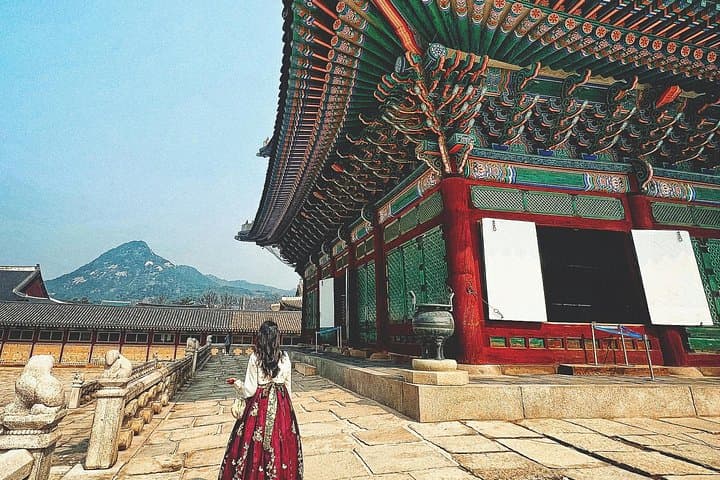
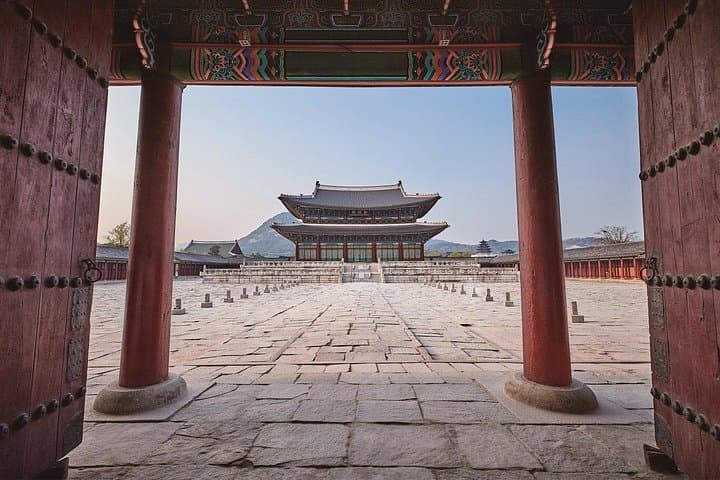
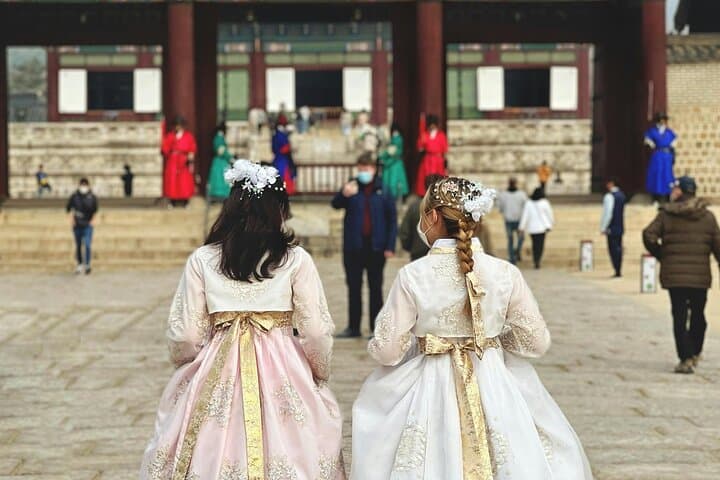
The morning light hits Gwanghwamun Gate and the palace stones hold a cool weight underfoot. Visitors in rented hanbok step slowly through the wide courtyards of Gyeongbokgung, fabric whispering against carved eaves while koi circle the Hyangwonjeong pond, as if the water itself studies each new guest.
Verified experiences and guided adventures in the surrounding area.
Operated by SolGuide · Seoul, Seoul
The morning light hits Gwanghwamun Gate and the palace stones hold a cool weight underfoot. Visitors in rented hanbok step slowly through the wide courtyards of Gyeongbokgung, fabric whispering against carved eaves while koi circle the Hyangwonjeong pond, as if the water itself studies each new guest.
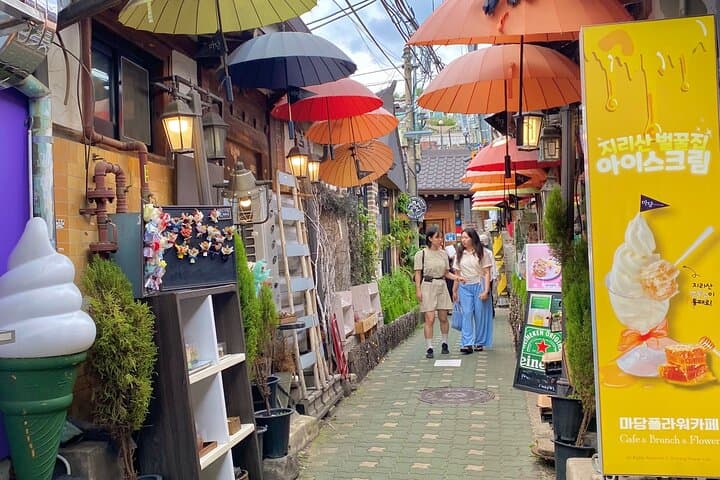
Gyeongbokgung dates to 1395 and served as the political heart of the Joseon Dynasty; its timber halls and tiled roofs are straightforward lessons in Korean palace architecture. A short walk brings you to Insadong’s narrow lanes, where craft shops and tea houses preserve handicraft traditions, and to Ikseondong’s hanok alleys, a modern take on wooden homes now hosting cafés and boutiques. Along the way, try yakgwa—a honeyed, deep-fried traditional dessert—at a small tea room for a taste that ties the neighborhoods together.
Practicalities: the tour runs about 2–3 hours, requires a minimum of three people, and includes palace admission and hanbok rental. Wear comfortable shoes—stone paths and courtyard steps are uneven—and reserve hanbok sizes in advance. Photography is encouraged, but follow palace signage and guide instructions, especially around heritage structures. Peak times are late morning and early afternoon; arriving near opening gives less crowded photos and cooler light.
Respect the sites: keep to marked paths, speak at a low volume in temple-adjacent areas, and carry a small bag for purchases. The experience combines living culture and restored history—an urban walk that’s equal parts costume, architecture, and sweet tradition.
easy.
2–3 hours.
Suitable for most fitness levels; requires standing and walking on uneven surfaces for short periods.
Yes—the tour includes entry to Gyeongbokgung Palace as part of the package.
No; the hanbok is a rental included for the tour duration and must be returned according to the provider’s policy.
The operator cancels tours with fewer than three participants; you’ll be offered a full refund or alternate scheduling.
Yes—routes accommodate strollers and public transit stops are nearby; confirm any accessibility needs with the operator in advance.
Gyeongbokgung was constructed in 1395 as the main palace of the Joseon Dynasty and has been restored after periods of destruction during the 19th and 20th centuries.
Preserve fragile wooden hanok and palace structures by following marked paths, avoiding flash photography in sensitive areas, and minimizing single-use plastics when sampling local foods.
SolGuide operates guided outdoor trips and adventures with an emphasis on safety, stewardship, and memorable experiences.
The morning light hits Gwanghwamun Gate and the palace stones hold a cool weight underfoot. Visitors in rented hanbok step slowly through the wide courtyards of Gyeongbokgung, fabric whispering against carved eaves while koi circle the Hyangwonjeong pond, as if the water itself studies each new guest.
The morning light hits Gwanghwamun Gate and the palace stones hold a cool weight underfoot. Visitors in rented hanbok step slowly through the wide courtyards of Gyeongbokgung, fabric whispering against carved eaves while koi circle the Hyangwonjeong pond, as if the water itself studies each new guest.
Gyeongbokgung dates to 1395 and served as the political heart of the Joseon Dynasty; its timber halls and tiled roofs are straightforward lessons in Korean palace architecture. A short walk brings you to Insadong’s narrow lanes, where craft shops and tea houses preserve handicraft traditions, and to Ikseondong’s hanok alleys, a modern take on wooden homes now hosting cafés and boutiques. Along the way, try yakgwa—a honeyed, deep-fried traditional dessert—at a small tea room for a taste that ties the neighborhoods together.
Practicalities: the tour runs about 2–3 hours, requires a minimum of three people, and includes palace admission and hanbok rental. Wear comfortable shoes—stone paths and courtyard steps are uneven—and reserve hanbok sizes in advance. Photography is encouraged, but follow palace signage and guide instructions, especially around heritage structures. Peak times are late morning and early afternoon; arriving near opening gives less crowded photos and cooler light.
Respect the sites: keep to marked paths, speak at a low volume in temple-adjacent areas, and carry a small bag for purchases. The experience combines living culture and restored history—an urban walk that’s equal parts costume, architecture, and sweet tradition.