THE ADVENTURE COLLECTIVE® · Independent discovery and booking for outdoor travel

A quick shuttle from Waikiki deposits you on a volcanic rim overlooking one of Oahu’s most accessible reefs. This guided snorkeling run to Hanauma Bay pairs easy swimming with strict conservation rules—arrive early, bring reef-safe sunscreen, and expect clear water and close encounters with tropical fish and honu (turtles).
A quick shuttle from Waikiki deposits you on a volcanic rim overlooking one of Oahu’s most accessible reefs. This guided snorkeling run to Hanauma Bay pairs easy swimming with strict conservation rules—arrive early, bring reef-safe sunscreen, and expect clear water and close encounters with tropical fish and honu (turtles).
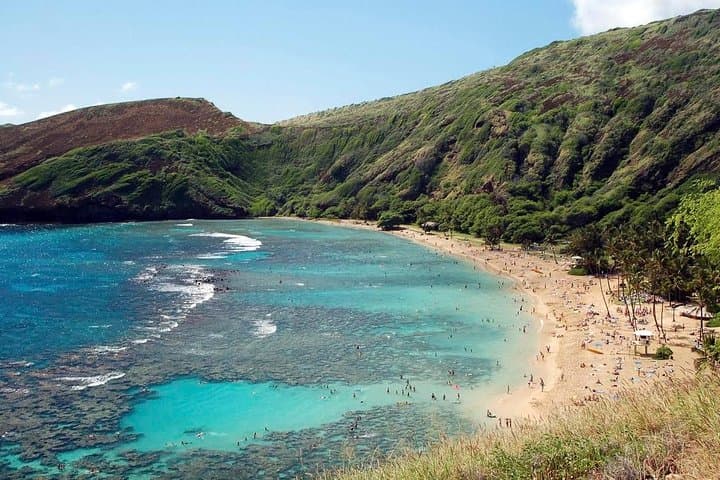
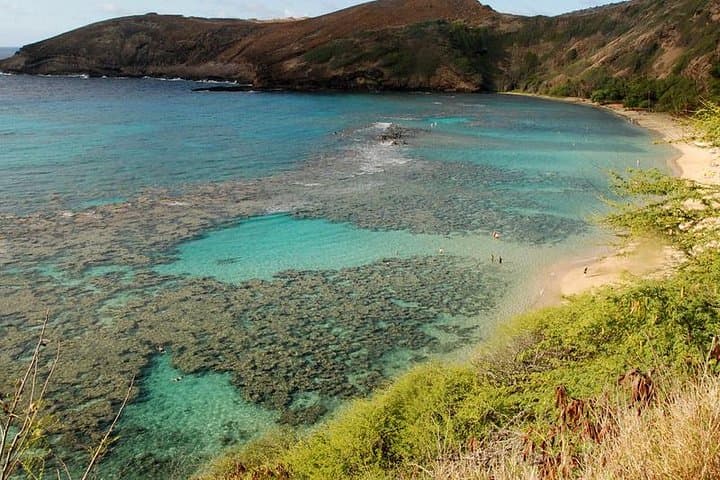
You step off the shuttle and the sound of the ocean fills the air—high, bright, the kind of roll that seems to sort the busy world from the mellow. A lip of volcanic rock frames a bowl of water so clear you can count the ribs on a surgeonfish from the rim. This is Hanauma Bay: a sunken volcanic crater that opens like a private aquarium, its reef a living maze of color and motion. The tour’s convenience—hotel pickup in Waikiki and return—shrinks the logistics so all you need to do is don a mask and decide how close you dare get to a curious turtle.
Verified experiences and guided adventures in the surrounding area.
Operated by Kaimana Tours · Honolulu, Hawaii
You step off the shuttle and the sound of the ocean fills the air—high, bright, the kind of roll that seems to sort the busy world from the mellow. A lip of volcanic rock frames a bowl of water so clear you can count the ribs on a surgeonfish from the rim. This is Hanauma Bay: a sunken volcanic crater that opens like a private aquarium, its reef a living maze of color and motion. The tour’s convenience—hotel pickup in Waikiki and return—shrinks the logistics so all you need to do is don a mask and decide how close you dare get to a curious turtle.
Geology gives the place its shape: Hanauma is a tuff ring, formed by steam-driven explosions when lava hit seawater. That violent origin created a sheltered bay where coral could find purchase and a dense community of reef fish could flourish. Human history here is layered too—once a fishing ground for ali‘i (chiefs), today it’s a state-managed marine life conservation area. Visitors watch an orientation video on the preserve’s rules before entry; the point is blunt: look, don’t touch. Reef life does the rest, and when a green sea turtle glides through that blue, the reef seems to hold its breath.
The practical side is simple. Choose the earliest shuttle you can—operators recommend the 6:00 a.m. pickup—to beat the crowd and get the best visibility. Expect about 5–6 hours for hotel pickup, time at the bay, and return. The state charges an entrance fee (about $25, cash only for some tours) unless exempt; this particular tour includes round-trip transport and snorkeling gear, so you can travel light. Conditions vary: summer brings warmer water and calmer seas, winter can mean bigger swells and limited visibility.
Behavior matters here more than horsepower. Reef-safe sunscreen, nonabrasive rash guards, and soft fins keep coral intact. The preserve enforces no-touch rules and occasional closures so the ecosystem can recover—part of a broader conservation effort to protect reef-building corals and the turtles that forage here.
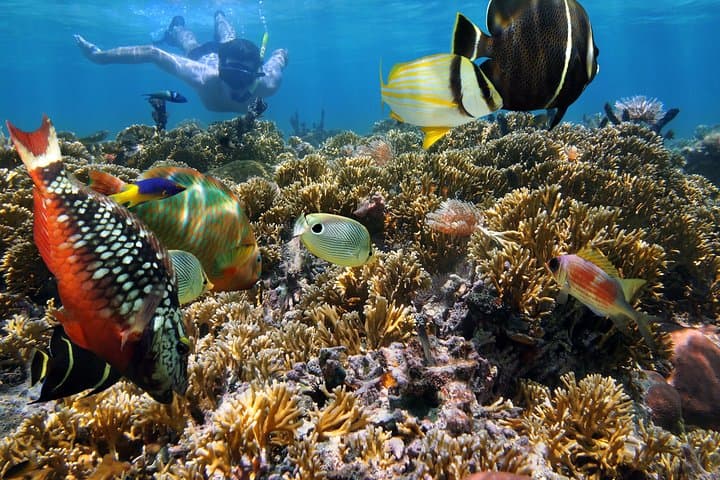
For families and first-time snorkelers, Hanauma is tough to beat: shallow slopes, gentle currents, and instructors nearby. For photographers, low morning light and glassy water make for the clearest shots. Respect the park rules, arrive early, and the bay will repay you with close encounters—bright parrotfish, a hawksbill in the channels, and a sense of how fragile and vivid a reef can be when you give it space.
easy.
5–6 hours.
Suitable for all fitness levels; basic swimming ability recommended for snorkeling
Yes—this tour provides round-trip shuttle service from designated Waikiki hotels; confirm pickup time with the operator after booking.
Expect about 5–6 hours total, including pickup, park time, and return to Waikiki.
Yes, snorkeling equipment is included in the tour price, though you may bring your own mask or fins if you prefer.
Not for this tour; bring about $25 in cash for the state entrance fee if required, but check current payment policies ahead of time.
No—state rules prohibit touching or harassing wildlife and corals to protect the ecosystem and avoid fines.
Tours may be canceled for unsafe conditions; the operator will refund if canceled 24 hours in advance or due to weather per their cancellation policy.
Hanauma Bay formed as a volcanic tuff ring; historically it served as a fishing area for Hawaiian chiefs before becoming a protected marine preserve.
The bay is managed as a marine life conservation area with visitor education, restricted access, and periodic closures to allow reef recovery and protect turtles.
Kaimana Tours operates guided outdoor trips and adventures with an emphasis on safety, stewardship, and memorable experiences.
You step off the shuttle and the sound of the ocean fills the air—high, bright, the kind of roll that seems to sort the busy world from the mellow. A lip of volcanic rock frames a bowl of water so clear you can count the ribs on a surgeonfish from the rim. This is Hanauma Bay: a sunken volcanic crater that opens like a private aquarium, its reef a living maze of color and motion. The tour’s convenience—hotel pickup in Waikiki and return—shrinks the logistics so all you need to do is don a mask and decide how close you dare get to a curious turtle.
You step off the shuttle and the sound of the ocean fills the air—high, bright, the kind of roll that seems to sort the busy world from the mellow. A lip of volcanic rock frames a bowl of water so clear you can count the ribs on a surgeonfish from the rim. This is Hanauma Bay: a sunken volcanic crater that opens like a private aquarium, its reef a living maze of color and motion. The tour’s convenience—hotel pickup in Waikiki and return—shrinks the logistics so all you need to do is don a mask and decide how close you dare get to a curious turtle.
Geology gives the place its shape: Hanauma is a tuff ring, formed by steam-driven explosions when lava hit seawater. That violent origin created a sheltered bay where coral could find purchase and a dense community of reef fish could flourish. Human history here is layered too—once a fishing ground for ali‘i (chiefs), today it’s a state-managed marine life conservation area. Visitors watch an orientation video on the preserve’s rules before entry; the point is blunt: look, don’t touch. Reef life does the rest, and when a green sea turtle glides through that blue, the reef seems to hold its breath.
The practical side is simple. Choose the earliest shuttle you can—operators recommend the 6:00 a.m. pickup—to beat the crowd and get the best visibility. Expect about 5–6 hours for hotel pickup, time at the bay, and return. The state charges an entrance fee (about $25, cash only for some tours) unless exempt; this particular tour includes round-trip transport and snorkeling gear, so you can travel light. Conditions vary: summer brings warmer water and calmer seas, winter can mean bigger swells and limited visibility.
Behavior matters here more than horsepower. Reef-safe sunscreen, nonabrasive rash guards, and soft fins keep coral intact. The preserve enforces no-touch rules and occasional closures so the ecosystem can recover—part of a broader conservation effort to protect reef-building corals and the turtles that forage here.
For families and first-time snorkelers, Hanauma is tough to beat: shallow slopes, gentle currents, and instructors nearby. For photographers, low morning light and glassy water make for the clearest shots. Respect the park rules, arrive early, and the bay will repay you with close encounters—bright parrotfish, a hawksbill in the channels, and a sense of how fragile and vivid a reef can be when you give it space.