THE ADVENTURE COLLECTIVE® · Independent discovery and booking for outdoor travel

Walk through Tudor kitchens, climb the Great Hall’s steps and explore Wren’s Baroque courtyards on a private 3–4 hour tour of Hampton Court Palace from London. This guided visit pairs architectural insight with garden time and practical tips for making the most of the site.
Walk through Tudor kitchens, climb the Great Hall’s steps and explore Wren’s Baroque courtyards on a private 3–4 hour tour of Hampton Court Palace from London. This guided visit pairs architectural insight with garden time and practical tips for making the most of the site.
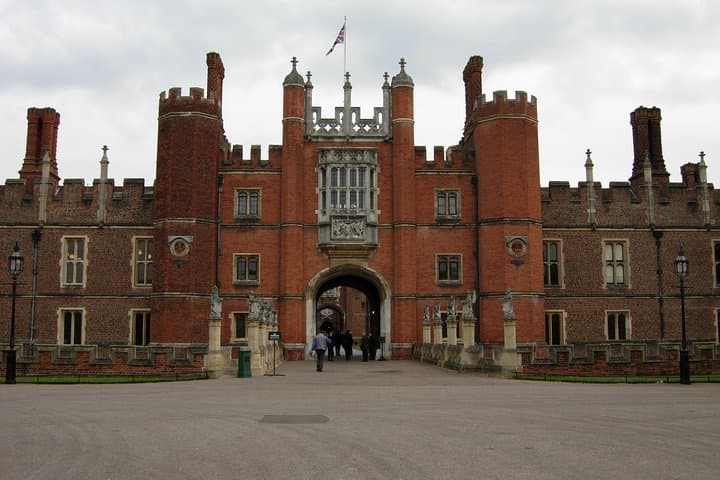
You step through the brick arch and the city’s hum falls away: flagstones underfoot, a line of clipped yew hedges, and the palace façade rising in red and cream. The river nearby seems to dare you to slow down; voices of guides and the clink of china from the reconstructed Tudor kitchens anchor the place in lived history.
Verified experiences and guided adventures in the surrounding area.
Operated by Denis Khoroshko · Hampton Court, Greater London
You step through the brick arch and the city’s hum falls away: flagstones underfoot, a line of clipped yew hedges, and the palace façade rising in red and cream. The river nearby seems to dare you to slow down; voices of guides and the clink of china from the reconstructed Tudor kitchens anchor the place in lived history.
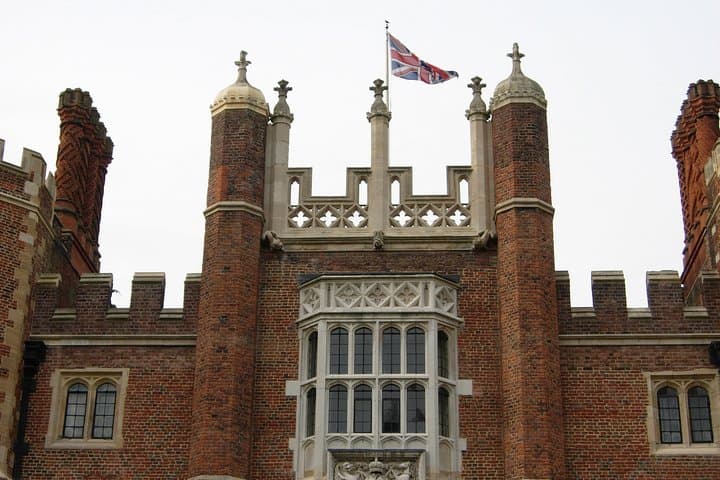
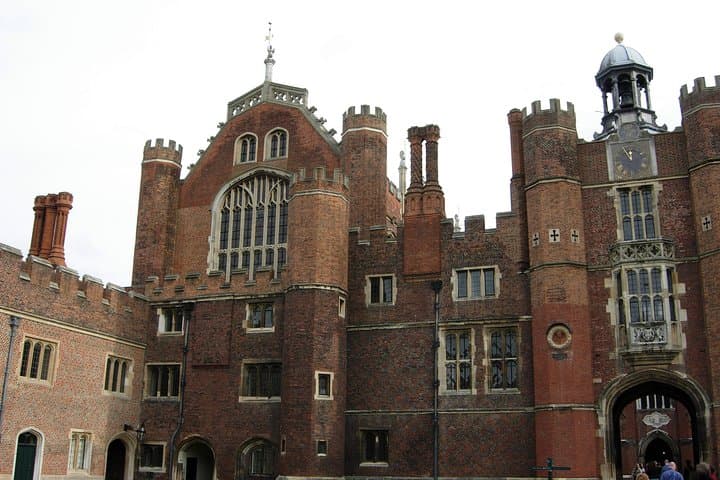
Hampton Court began as Cardinal Wolsey’s ambitious seat in the early 16th century and became Henry VIII’s household and political theater. The site shows two clear architectural chapters: Tudor domesticity—oak-beamed halls, the Great Hall’s hammerbeam roof—and the later Baroque layers added by Sir Christopher Wren for William and Mary. Gardens range from the privy plots once used for medicinal herbs to broad formal lawns and the famously twisty 18th-century maze.
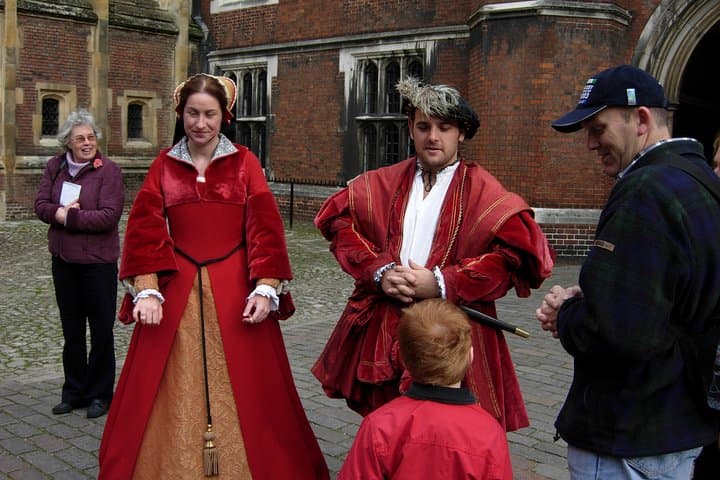
Expect a private, 3–4 hour walking visit that moves between interiors and outdoor courts. A knowledgeable guide will focus on the Tudor kitchens, Chapel Royal, Privy Garden, and Wren’s Baroque additions while pointing out surviving tapestries, court routines, and the palace’s role in monarchy and religion.
Practicalities: wear comfortable shoes for flagstones and lawns, dress for British weather, and factor time for security lines if you plan to stay beyond the private tour portion. Photography is generally allowed in outdoor spaces but restricted in some rooms—listen to your guide. For a fuller visit, allow extra time to explore the maze and riverside paths on your own.
easy.
3–4 hours.
Able to walk and stand for several hours at a calm pace; light stair climbing expected
Not always—some private tours offer guiding only; check the tour confirmation and bring a valid palace ticket if required.
The private tour runs about 3–4 hours and involves several hundred meters of walking across uneven stone floors, courtyards, and lawns.
Hampton Court provides wheelchair access to many areas; however, several historic rooms and staircases have limited accessibility—contact the operator ahead for specifics.
Yes; family visitors are welcome but note the pace and content are aimed at adult historical interest—strollers may be difficult on stairs and some rooms.
Originally built by Cardinal Wolsey and transformed by Henry VIII, the palace later received Baroque alterations by Sir Christopher Wren for William and Mary, showing distinct Tudor and 17th-century layers.
Managed by Historic Royal Palaces, the site balances visitor access with preservation; follow posted routes, avoid touching tapestries and climb only permitted stairways to limit wear.
Denis Khoroshko operates guided outdoor trips and adventures with an emphasis on safety, stewardship, and memorable experiences.
You step through the brick arch and the city’s hum falls away: flagstones underfoot, a line of clipped yew hedges, and the palace façade rising in red and cream. The river nearby seems to dare you to slow down; voices of guides and the clink of china from the reconstructed Tudor kitchens anchor the place in lived history.
You step through the brick arch and the city’s hum falls away: flagstones underfoot, a line of clipped yew hedges, and the palace façade rising in red and cream. The river nearby seems to dare you to slow down; voices of guides and the clink of china from the reconstructed Tudor kitchens anchor the place in lived history.
Hampton Court began as Cardinal Wolsey’s ambitious seat in the early 16th century and became Henry VIII’s household and political theater. The site shows two clear architectural chapters: Tudor domesticity—oak-beamed halls, the Great Hall’s hammerbeam roof—and the later Baroque layers added by Sir Christopher Wren for William and Mary. Gardens range from the privy plots once used for medicinal herbs to broad formal lawns and the famously twisty 18th-century maze.
Expect a private, 3–4 hour walking visit that moves between interiors and outdoor courts. A knowledgeable guide will focus on the Tudor kitchens, Chapel Royal, Privy Garden, and Wren’s Baroque additions while pointing out surviving tapestries, court routines, and the palace’s role in monarchy and religion.
Practicalities: wear comfortable shoes for flagstones and lawns, dress for British weather, and factor time for security lines if you plan to stay beyond the private tour portion. Photography is generally allowed in outdoor spaces but restricted in some rooms—listen to your guide. For a fuller visit, allow extra time to explore the maze and riverside paths on your own.