THE ADVENTURE COLLECTIVE® · Independent discovery and booking for outdoor travel

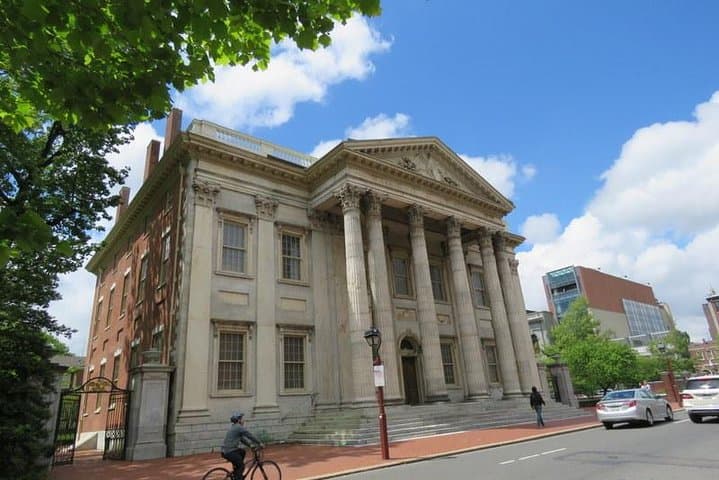
Walk the streets where Alexander Hamilton worked and argued, from Independence Hall to the First Bank and Christ Church Burial Ground. This private 2-hour tour combines close-up history with clear logistics for travelers who want a focused, interpretive urban walk.
Walk the streets where Alexander Hamilton worked and argued, from Independence Hall to the First Bank and Christ Church Burial Ground. This private 2-hour tour combines close-up history with clear logistics for travelers who want a focused, interpretive urban walk.
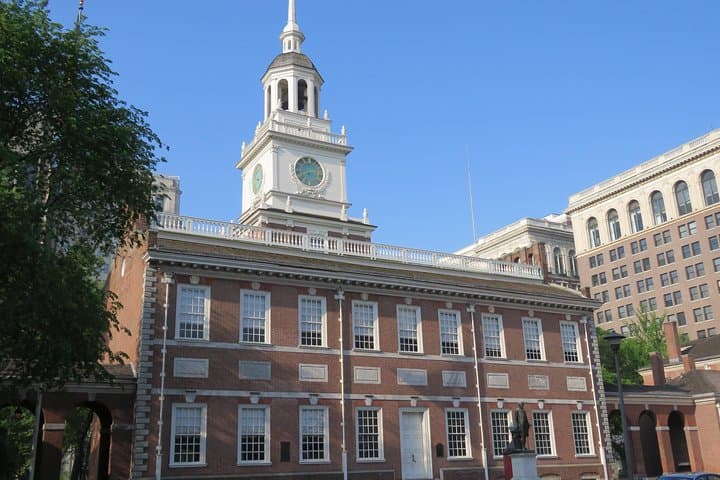
The group assembles at the Visitor's Information Center on the northeast corner of 6th and Market, the city murmuring around the stone face of Independence Hall. Footsteps click on flagstones as the guide threads Hamilton's life into the streets — from the cramped rowhouse where he lived to the marble columns of early federal buildings — and the river nearby keeps time, nudging the city's story forward.
Verified experiences and guided adventures in the surrounding area.
Operated by phillyPHAT · Philadelphia, Pennsylvania
The group assembles at the Visitor's Information Center on the northeast corner of 6th and Market, the city murmuring around the stone face of Independence Hall. Footsteps click on flagstones as the guide threads Hamilton's life into the streets — from the cramped rowhouse where he lived to the marble columns of early federal buildings — and the river nearby keeps time, nudging the city's story forward.
Philadelphia in the late 18th century was a working port and political proving ground; its brick streets and Greco-Roman public buildings reflect a young republic negotiating commerce, credit and power. Geology matters here only in the shallow: the city sits on Atlantic Coastal Plain deposits, so foundations are low and the historic grid is intimate, not alpine. Culturally, the tour moves between national institutions and neighborhood stories — the First Bank, Carpenter's Hall and the quiet stones at Christ Church Burial Ground — each stop revealing how Hamilton shaped the financial system and public life.
Practically, this private 2-hour walking tour covers roughly 1–1.5 miles on mostly flat, paved surfaces with short standing stops. Expect frequent pauses for interpretation and photo opportunities. Wear comfortable walking shoes, bring a refillable water bottle and a light layer; summer shade is limited and winter winds off the Delaware can bite. The tour is best in the morning for cooler temperatures and smaller crowds; public transit and bike racks sit nearby. Minimum age is 10 and a moderate fitness level helps with standing and walking. For visitors focused on history, this walk efficiently connects primary sites tied to Hamilton's public and private life, ending at the Christ Church Burial Area where several founding-era figures rest.
moderate.
2 hours.
Moderate; able to walk 1–1.5 miles and stand for short interpretive talks
The meeting point is the Visitor's Information Center at the northeast corner of 6th and Market; the tour ends at Christ Church Burial Ground.
Yes — the minimum age is 10; children should be able to keep pace and attend to short talks.
No — this walking tour provides exterior interpretation and narrative; admissions to paid museums are not included.
For a full refund cancel at least 24 hours before the scheduled departure time; cancellations within 24 hours are nonrefundable.
Philadelphia served as the nation's capital for periods during the 1790s and was a center for finance; Hamilton established early fiscal institutions here including the First Bank of the United States.
Preserving the historic district relies on responsible visitation: stay on sidewalks, avoid touching fragile masonry and follow local signage to protect archaeological resources.
phillyPHAT operates guided outdoor trips and adventures with an emphasis on safety, stewardship, and memorable experiences.
The group assembles at the Visitor's Information Center on the northeast corner of 6th and Market, the city murmuring around the stone face of Independence Hall. Footsteps click on flagstones as the guide threads Hamilton's life into the streets — from the cramped rowhouse where he lived to the marble columns of early federal buildings — and the river nearby keeps time, nudging the city's story forward.
The group assembles at the Visitor's Information Center on the northeast corner of 6th and Market, the city murmuring around the stone face of Independence Hall. Footsteps click on flagstones as the guide threads Hamilton's life into the streets — from the cramped rowhouse where he lived to the marble columns of early federal buildings — and the river nearby keeps time, nudging the city's story forward.
Philadelphia in the late 18th century was a working port and political proving ground; its brick streets and Greco-Roman public buildings reflect a young republic negotiating commerce, credit and power. Geology matters here only in the shallow: the city sits on Atlantic Coastal Plain deposits, so foundations are low and the historic grid is intimate, not alpine. Culturally, the tour moves between national institutions and neighborhood stories — the First Bank, Carpenter's Hall and the quiet stones at Christ Church Burial Ground — each stop revealing how Hamilton shaped the financial system and public life.
Practically, this private 2-hour walking tour covers roughly 1–1.5 miles on mostly flat, paved surfaces with short standing stops. Expect frequent pauses for interpretation and photo opportunities. Wear comfortable walking shoes, bring a refillable water bottle and a light layer; summer shade is limited and winter winds off the Delaware can bite. The tour is best in the morning for cooler temperatures and smaller crowds; public transit and bike racks sit nearby. Minimum age is 10 and a moderate fitness level helps with standing and walking. For visitors focused on history, this walk efficiently connects primary sites tied to Hamilton's public and private life, ending at the Christ Church Burial Area where several founding-era figures rest.