THE ADVENTURE COLLECTIVE® · Independent discovery and booking for outdoor travel

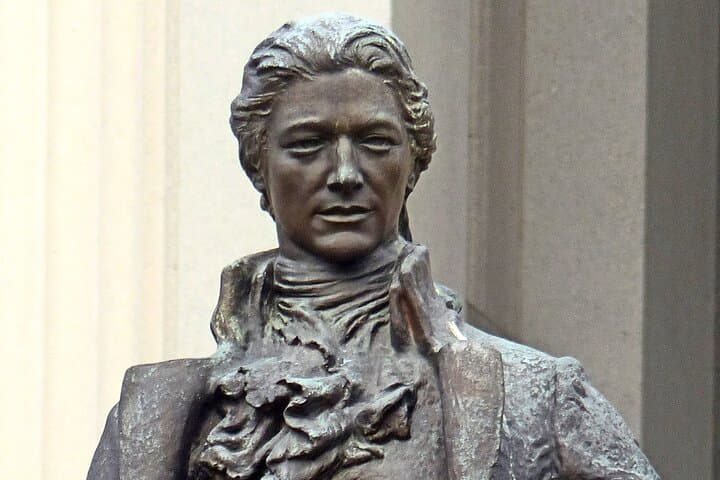
Walk where Hamilton argued, litigated, and ultimately fell. This 2.5‑hour guided route from Trinity Church stitches together Revolutionary war stories and early republic finance into a compact Lower Manhattan history walk.
Walk where Hamilton argued, litigated, and ultimately fell. This 2.5‑hour guided route from Trinity Church stitches together Revolutionary war stories and early republic finance into a compact Lower Manhattan history walk.
The morning crowds thin as the group gathers beneath Trinity Church's Gothic steeple; cobblestones cool underfoot and the city hums like an impatient historian. From this corner of Wall and Broadway, the walking tour threads past sites that shaped the Republic: burial grounds, former homes, meeting places where arguments about currency and power played out in real time.
Verified experiences and guided adventures in the surrounding area.
Operated by Daniel · New York, New York
The morning crowds thin as the group gathers beneath Trinity Church's Gothic steeple; cobblestones cool underfoot and the city hums like an impatient historian. From this corner of Wall and Broadway, the walking tour threads past sites that shaped the Republic: burial grounds, former homes, meeting places where arguments about currency and power played out in real time.
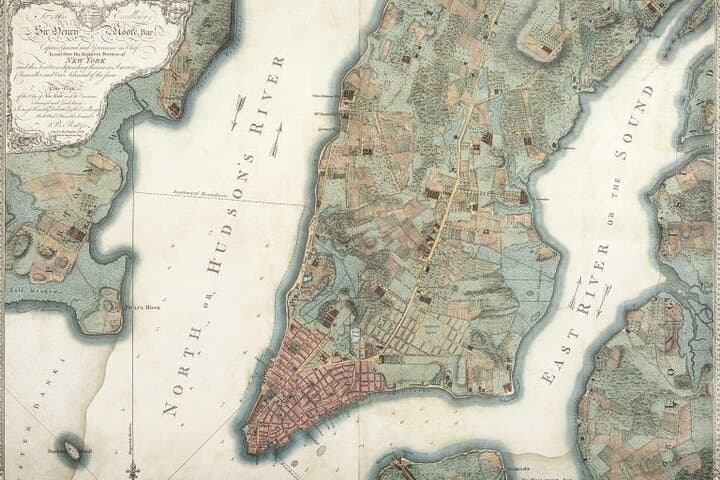
The narrative moves fluidly between battlefield tactics and bank ledgers. Participants learn how Hamilton's artillery experience in the 1776 New York defenses shaped his politics, then turn to the arc of his financial program that created a national bank and a federal credit system. The route highlights surviving Federal-style architecture, Revolutionary War markers, and quieter corners—small alleys and stone markers that reveal the human scale behind big ideas.
Culturally, the walk places Hamilton within a post-Revolution New York that was still rough, commercial, and deeply personal; duels, pamphlet wars, and social rivalries mattered. Local insights include stops at Hamilton's grave, the stone foundations of early mercantile houses, and passing references to nearby taverns where policy and gossip mixed.
Practical notes: the tour covers roughly 1.5–2 miles of mostly flat city sidewalks over about 2.5 hours with frequent stops. Wear comfortable walking shoes, bring a transit card for post-tour connections, and plan for sun or street noise—guides project across crowds but bring a lightweight daypack for water and layers. Peak seasons get busier; book ahead for weekend slots and arrive 10 minutes early to find the guide by the church entrance.
moderate.
2–3 hours.
Moderate—able to stand and walk for long periods with occasional short climbs over steps
The tour starts and ends at the front door of Trinity Church at Wall Street and Broadway; look for the guide holding a Hamilton Tour sign.
Strollers are possible, but the route uses some narrow sidewalks and cobblestones; travelers with limited mobility should contact the operator for accommodations.
The tour's curated itinerary includes guided stops and interpretations; any entry to paid museums or special exhibitions would be noted by the guide in advance.
Shared tours typically cap at about 15 people to keep the experience conversational and mobile in city streets.
Hamilton's public life bridged wartime leadership, lawyering in a commercial port, and the creation of national fiscal institutions—his policies laid the foundation for American credit and banking.
Lower Manhattan's historic markers and grave sites are managed by preservation groups; stay on paths, avoid touching engraved stones, and support local museums to help maintain fragile artifacts.
Daniel operates guided outdoor trips and adventures with an emphasis on safety, stewardship, and memorable experiences.


The morning crowds thin as the group gathers beneath Trinity Church's Gothic steeple; cobblestones cool underfoot and the city hums like an impatient historian. From this corner of Wall and Broadway, the walking tour threads past sites that shaped the Republic: burial grounds, former homes, meeting places where arguments about currency and power played out in real time.
The morning crowds thin as the group gathers beneath Trinity Church's Gothic steeple; cobblestones cool underfoot and the city hums like an impatient historian. From this corner of Wall and Broadway, the walking tour threads past sites that shaped the Republic: burial grounds, former homes, meeting places where arguments about currency and power played out in real time.
The narrative moves fluidly between battlefield tactics and bank ledgers. Participants learn how Hamilton's artillery experience in the 1776 New York defenses shaped his politics, then turn to the arc of his financial program that created a national bank and a federal credit system. The route highlights surviving Federal-style architecture, Revolutionary War markers, and quieter corners—small alleys and stone markers that reveal the human scale behind big ideas.
Culturally, the walk places Hamilton within a post-Revolution New York that was still rough, commercial, and deeply personal; duels, pamphlet wars, and social rivalries mattered. Local insights include stops at Hamilton's grave, the stone foundations of early mercantile houses, and passing references to nearby taverns where policy and gossip mixed.
Practical notes: the tour covers roughly 1.5–2 miles of mostly flat city sidewalks over about 2.5 hours with frequent stops. Wear comfortable walking shoes, bring a transit card for post-tour connections, and plan for sun or street noise—guides project across crowds but bring a lightweight daypack for water and layers. Peak seasons get busier; book ahead for weekend slots and arrive 10 minutes early to find the guide by the church entrance.