THE ADVENTURE COLLECTIVE® · Independent discovery and booking for outdoor travel

Walk Hamilton’s five-block culinary core with a local guide, sampling codfish, rum drinks and Portuguese-influenced bites while learning how Bermuda’s geology and history shaped its food.
Walk Hamilton’s five-block culinary core with a local guide, sampling codfish, rum drinks and Portuguese-influenced bites while learning how Bermuda’s geology and history shaped its food.
You meet on the broad City Hall steps, the harbor breeze daring you forward as pastel storefronts and bicycles frame the street. The first bite arrives like a short introduction: salt, oil, and the soft flake of cod; the next is a rum-sweet sip that eases conversation. Over two and a half hours you move through a five-block radius of central Hamilton, where sidewalks, alleyways and a few corner kitchens map a living food history.
Verified experiences and guided adventures in the surrounding area.
Operated by Bermuda Explorer · Hamilton, Bermuda
You meet on the broad City Hall steps, the harbor breeze daring you forward as pastel storefronts and bicycles frame the street. The first bite arrives like a short introduction: salt, oil, and the soft flake of cod; the next is a rum-sweet sip that eases conversation. Over two and a half hours you move through a five-block radius of central Hamilton, where sidewalks, alleyways and a few corner kitchens map a living food history.
Bermuda’s cuisine reflects its colonial past and seafaring present — British provisioning, African techniques, and Portuguese-preserved fish and baking traditions all show up on the plate. Geologically the island is raised limestone and fractured coral; fresh fish and locally grown tropical produce have long defined local menus because the land and sea meet within easy reach of town.
The walk is part tasting, part oral history: vendors explain recipes handed down through generations, and guides point out façades and market rhythms that shaped those dishes. Expect to sample codfish and potatoes, fritters, local breads and a signature rum drink while learning how trade, migration and resource limits shaped island cooking.
Practical details: the route is paved and mostly flat, wheelchair accessible, and designed for light walking with frequent stops. Bring sun protection and a reusable bottle, tell the operator about allergies in advance, and plan for 10–15 small tastings rather than full entrees. Mid-morning or late afternoon schedules avoid the hottest sun; cash for small purchases and a camera for street scenes complete the checklist.
easy.
2–3 hours.
Suitable for most fitness levels; expect light walking with frequent stops
Meet at the City Hall steps in central Hamilton; the tour runs about 150 minutes (2.5 hours).
Yes — the route is designed to be accessible with mostly paved, level sidewalks and accessible transport where needed.
Expect roughly 8–12 small tastings and one or two drinks; tastings are sample-sized rather than full meals.
Yes — you should indicate allergies or dietary needs at booking so guides can provide alternatives or warn you of ingredients.
Hamilton grew as Bermuda’s commercial center in the 18th and 19th centuries; its food reflects British provisioning, African culinary techniques and Portuguese immigrant influences.
Support venues that source local fish and reduce single-use plastics; staying on paved routes and following guidance helps protect fragile coastal environments.
Bermuda Explorer operates guided outdoor trips and adventures with an emphasis on safety, stewardship, and memorable experiences.
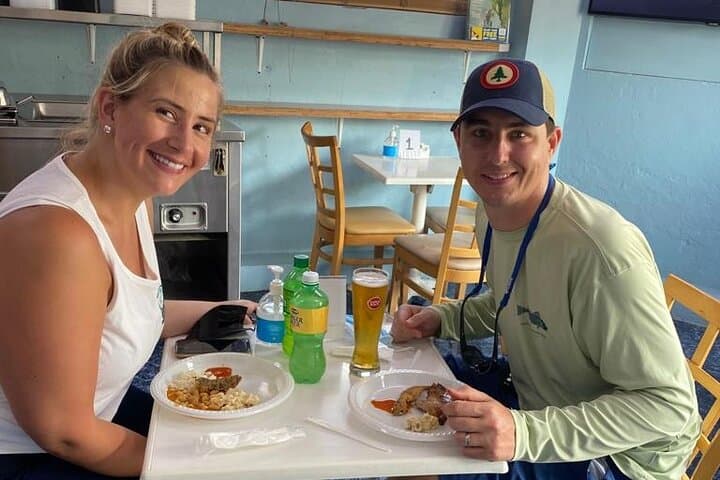
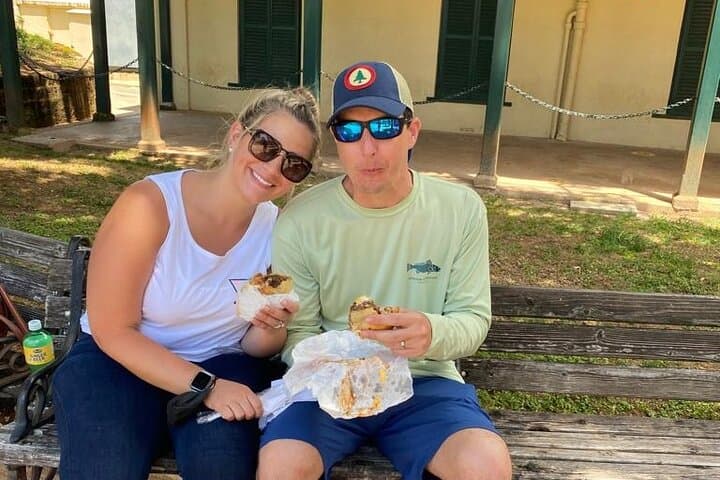
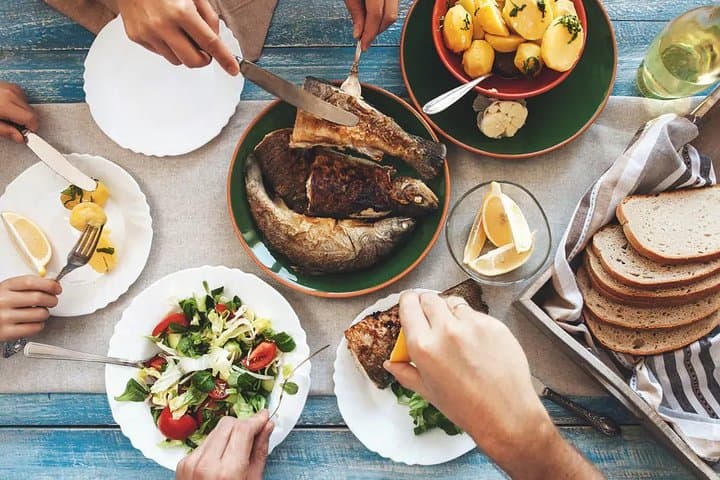

You meet on the broad City Hall steps, the harbor breeze daring you forward as pastel storefronts and bicycles frame the street. The first bite arrives like a short introduction: salt, oil, and the soft flake of cod; the next is a rum-sweet sip that eases conversation. Over two and a half hours you move through a five-block radius of central Hamilton, where sidewalks, alleyways and a few corner kitchens map a living food history.
You meet on the broad City Hall steps, the harbor breeze daring you forward as pastel storefronts and bicycles frame the street. The first bite arrives like a short introduction: salt, oil, and the soft flake of cod; the next is a rum-sweet sip that eases conversation. Over two and a half hours you move through a five-block radius of central Hamilton, where sidewalks, alleyways and a few corner kitchens map a living food history.
Bermuda’s cuisine reflects its colonial past and seafaring present — British provisioning, African techniques, and Portuguese-preserved fish and baking traditions all show up on the plate. Geologically the island is raised limestone and fractured coral; fresh fish and locally grown tropical produce have long defined local menus because the land and sea meet within easy reach of town.
The walk is part tasting, part oral history: vendors explain recipes handed down through generations, and guides point out façades and market rhythms that shaped those dishes. Expect to sample codfish and potatoes, fritters, local breads and a signature rum drink while learning how trade, migration and resource limits shaped island cooking.
Practical details: the route is paved and mostly flat, wheelchair accessible, and designed for light walking with frequent stops. Bring sun protection and a reusable bottle, tell the operator about allergies in advance, and plan for 10–15 small tastings rather than full entrees. Mid-morning or late afternoon schedules avoid the hottest sun; cash for small purchases and a camera for street scenes complete the checklist.