THE ADVENTURE COLLECTIVE® · Independent discovery and booking for outdoor travel

Turn Hamburg’s harbor into a playable map: a self-guided pirate quest leads you from Landungsbrücken through tunnels, museum ships and the Elbphilharmonie via 13 interactive puzzles. Solve clues at your own pace and learn the city’s maritime stories as you walk.
Turn Hamburg’s harbor into a playable map: a self-guided pirate quest leads you from Landungsbrücken through tunnels, museum ships and the Elbphilharmonie via 13 interactive puzzles. Solve clues at your own pace and learn the city’s maritime stories as you walk.
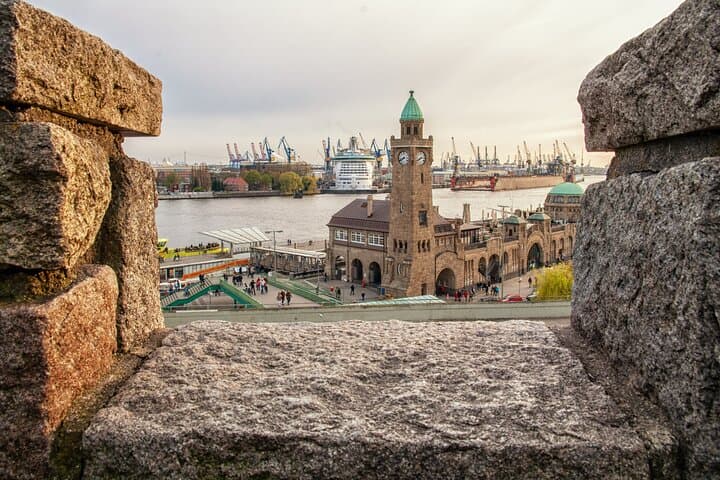
You start at the Landungsbrücken with gulls voicing the river’s impatience and the Elbe daring you to look closer. A smartphone pings, the first riddle arrives, and suddenly the piers, tunnels and ships around you read like pages of a maritime novel. The route threads past the Alter Elbtunnel’s tiled throat, past the tall-masted Rickmer Rickmers, and up to the glass curve of the Elbphilharmonie—each stop handing you a new clue and a new angle on Hamburg’s harbor life.
Verified experiences and guided adventures in the surrounding area.
Operated by Questo · Hamburg, Hamburg
You start at the Landungsbrücken with gulls voicing the river’s impatience and the Elbe daring you to look closer. A smartphone pings, the first riddle arrives, and suddenly the piers, tunnels and ships around you read like pages of a maritime novel. The route threads past the Alter Elbtunnel’s tiled throat, past the tall-masted Rickmer Rickmers, and up to the glass curve of the Elbphilharmonie—each stop handing you a new clue and a new angle on Hamburg’s harbor life.
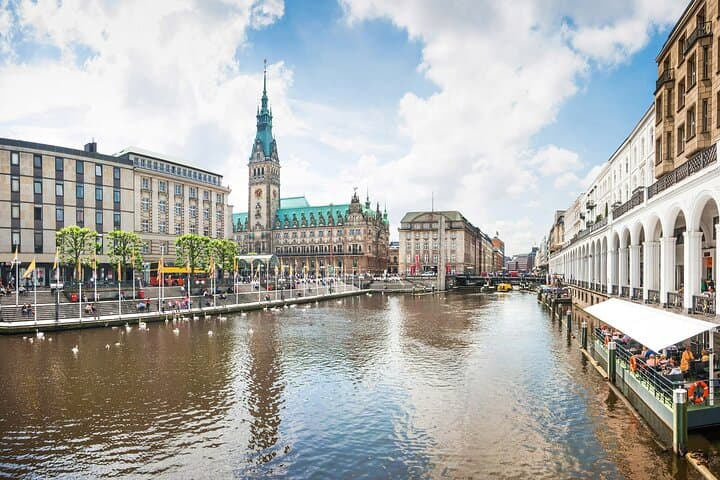
Hamburg’s harbor grew from Hanseatic trade, shipbuilding and salt commerce; the Speicherstadt warehouses speak to a 19th-century logistics boom and the Elbphilharmonie marks the city’s 21st-century cultural pivot. Geologically this is an estuarine plain: tidal flats, reclaimed quays and layered industrial fill. Culturally the waterfront is where workers, immigrants and merchants met—expect multilingual signs, maritime museums and cafés with shipyard views.
Practically, this is a low-impact self-guided walking game of 165–195 minutes that covers 5–7 kilometers on mostly paved promenades with some stairs (Alter Elbtunnel has ramps and lifts). Bring charged phone battery and local transit options for shuttling between endpoints if needed. Wear comfortable shoes, carry a light rain layer—weather shifts quickly by the river—and allow extra time if you want to enter museum ships or the Elbphilharmonie plaza.
Best during daylight for reading plaques and solving visual puzzles; mornings and late afternoons offer softer light for photography and fewer crowds. The game suits families, solo explorers, and small groups who like puzzles, local history and moving at their own pace.
easy.
2–3.25 hours.
Suitable for riders of all fitness levels; requires basic walking endurance for 5–7 km on paved city terrain.
This is a self-guided experience with mobile access—book online and start anytime within your reservation window, pausing and resuming as you wish.
Most quays and the Elbphilharmonie plaza are accessible; the Alter Elbtunnel has lifts, but some historic piers include stairs—check specific segments in advance.
No—museum entry and the Elbphilharmonie plaza/foyer admissions are not included; you can pause the game to purchase tickets separately.
The game is smartphone-based and often available in multiple languages; confirm language options when booking or in the mobile instructions.
Hamburg’s waterfront grew from Hanseatic trade and 19th-century port expansion; Speicherstadt warehouses were built on timber piles to service global commerce.
The Elbe estuary’s tidal habitats are sensitive—stick to paved paths, avoid disturbing shoreline birds, and use public transit to reduce local emissions.
Questo operates guided outdoor trips and adventures with an emphasis on safety, stewardship, and memorable experiences.
You start at the Landungsbrücken with gulls voicing the river’s impatience and the Elbe daring you to look closer. A smartphone pings, the first riddle arrives, and suddenly the piers, tunnels and ships around you read like pages of a maritime novel. The route threads past the Alter Elbtunnel’s tiled throat, past the tall-masted Rickmer Rickmers, and up to the glass curve of the Elbphilharmonie—each stop handing you a new clue and a new angle on Hamburg’s harbor life.
You start at the Landungsbrücken with gulls voicing the river’s impatience and the Elbe daring you to look closer. A smartphone pings, the first riddle arrives, and suddenly the piers, tunnels and ships around you read like pages of a maritime novel. The route threads past the Alter Elbtunnel’s tiled throat, past the tall-masted Rickmer Rickmers, and up to the glass curve of the Elbphilharmonie—each stop handing you a new clue and a new angle on Hamburg’s harbor life.
Hamburg’s harbor grew from Hanseatic trade, shipbuilding and salt commerce; the Speicherstadt warehouses speak to a 19th-century logistics boom and the Elbphilharmonie marks the city’s 21st-century cultural pivot. Geologically this is an estuarine plain: tidal flats, reclaimed quays and layered industrial fill. Culturally the waterfront is where workers, immigrants and merchants met—expect multilingual signs, maritime museums and cafés with shipyard views.
Practically, this is a low-impact self-guided walking game of 165–195 minutes that covers 5–7 kilometers on mostly paved promenades with some stairs (Alter Elbtunnel has ramps and lifts). Bring charged phone battery and local transit options for shuttling between endpoints if needed. Wear comfortable shoes, carry a light rain layer—weather shifts quickly by the river—and allow extra time if you want to enter museum ships or the Elbphilharmonie plaza.
Best during daylight for reading plaques and solving visual puzzles; mornings and late afternoons offer softer light for photography and fewer crowds. The game suits families, solo explorers, and small groups who like puzzles, local history and moving at their own pace.