THE ADVENTURE COLLECTIVE® · Independent discovery and booking for outdoor travel

Slow down in the heart of Tokyo with a guided wellness walk through Hamarikyu Gardens, a tidal-pond park with tea rituals, forest-bathing exercises, and a carefully selected wellness lunch in Tsukiji or Ginza. Learn the site’s Edo-era history while practicing sensory relaxation and tasting matcha.
Slow down in the heart of Tokyo with a guided wellness walk through Hamarikyu Gardens, a tidal-pond park with tea rituals, forest-bathing exercises, and a carefully selected wellness lunch in Tsukiji or Ginza. Learn the site’s Edo-era history while practicing sensory relaxation and tasting matcha.
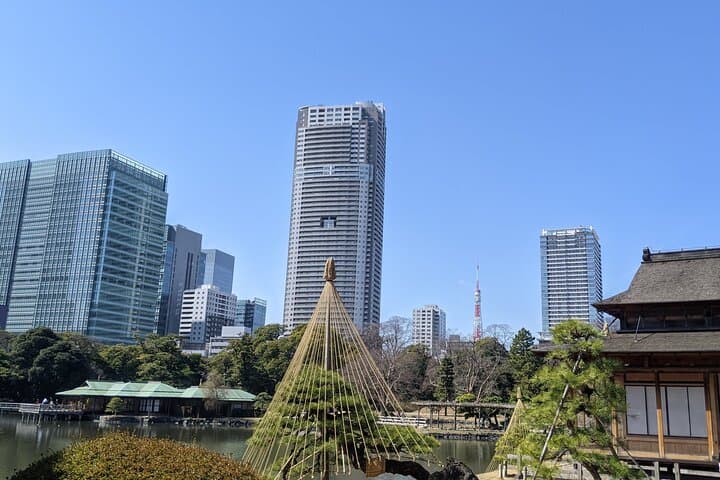
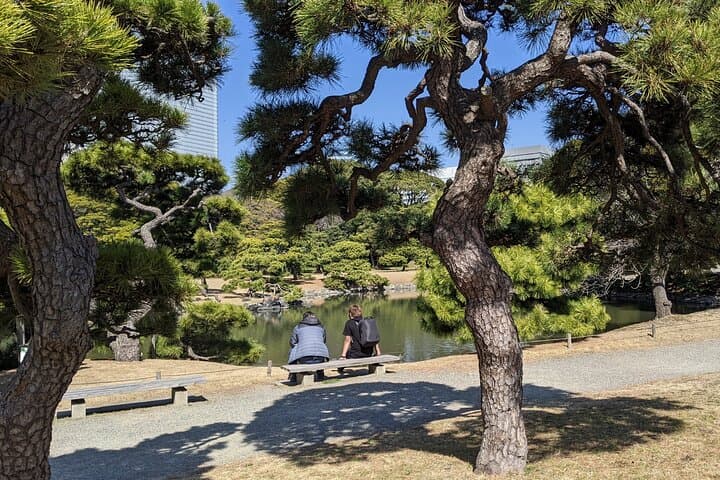
A cool morning breeze from Tokyo Bay meets you as you step through the low gate into Hamarikyu Gardens. Paved paths thread around a tidal pond where ducks slice the glassy surface and city towers lean in from the edges. The guide sets a steady, unhurried pace: a short silent solo moment beneath pines, a scent-focused exercise among camellias, then the ritual of matcha or tea beside the pond.
Verified experiences and guided adventures in the surrounding area.
Operated by itswellness org · Tokyo, Tokyo
A cool morning breeze from Tokyo Bay meets you as you step through the low gate into Hamarikyu Gardens. Paved paths thread around a tidal pond where ducks slice the glassy surface and city towers lean in from the edges. The guide sets a steady, unhurried pace: a short silent solo moment beneath pines, a scent-focused exercise among camellias, then the ritual of matcha or tea beside the pond.
Hamarikyu was once a Tokugawa shogun villa and later a detached imperial palace; its shifted shoreline and tidal creek record centuries of Edo-era landfill and reclamation. The garden’s layout—tea houses, seawater pond, pine groves—reflects Edo landscape design that balanced cultivated formality and wild pockets for quiet. Nearby Tsukiji’s fish market and Ginza’s storefronts provide a sharp urban contrast, so this short walk feels deliberately restorative.
Expect flat, mostly paved routes totaling roughly 1–2 miles of walking and negligible elevation gain. The experience emphasizes sensory pauses more than distance: bird song, leaf friction in wind, and slow matcha tasting. Your guide leads a 2-hour garden segment followed by a wellness-focused lunch in Tsukiji, Ginza, or Shinbashi; the full tour is about four hours and commonly starts mid-morning.
Practical notes: arrive by subway to the garden gates, bring comfortable shoes and a light jacket for breezy pondside conditions, and flag dietary needs when booking. For quieter moments, choose the earlier slots; for a warmer social lunch, allow the full group to linger. This is an urban walk designed to slow you down without demanding fitness or technical skills.
easy.
4 hours.
Suitable for most fitness levels; involves 1–2 miles of easy walking and standing during tea breaks
The itinerary allocates about two hours in Hamarikyu Gardens for walking, sensory exercises, and tea.
Yes; the tour notes wheelchair access, though some garden surfaces may be compacted earth—guests should be able to self-operate or bring an assistant.
Yes; matcha is available but guides can accommodate other tea preferences if requested in advance.
Typical departures begin at a garden entrance around 9:40 and the tour concludes at the selected restaurant in Tsukiji, Ginza, or Shinbashi around 13:30.
Hamarikyu began as a Tokugawa shogun villa and later served as a detached palace; its seawater pond and tidal inlet reflect Edo-era shoreline reclamation and urban development.
The garden is maintained as a historical park within Tokyo; visitors are asked to stay on paths and avoid feeding wildlife to protect habitats and water quality.
itswellness org operates guided outdoor trips and adventures with an emphasis on safety, stewardship, and memorable experiences.

A cool morning breeze from Tokyo Bay meets you as you step through the low gate into Hamarikyu Gardens. Paved paths thread around a tidal pond where ducks slice the glassy surface and city towers lean in from the edges. The guide sets a steady, unhurried pace: a short silent solo moment beneath pines, a scent-focused exercise among camellias, then the ritual of matcha or tea beside the pond.
A cool morning breeze from Tokyo Bay meets you as you step through the low gate into Hamarikyu Gardens. Paved paths thread around a tidal pond where ducks slice the glassy surface and city towers lean in from the edges. The guide sets a steady, unhurried pace: a short silent solo moment beneath pines, a scent-focused exercise among camellias, then the ritual of matcha or tea beside the pond.
Hamarikyu was once a Tokugawa shogun villa and later a detached imperial palace; its shifted shoreline and tidal creek record centuries of Edo-era landfill and reclamation. The garden’s layout—tea houses, seawater pond, pine groves—reflects Edo landscape design that balanced cultivated formality and wild pockets for quiet. Nearby Tsukiji’s fish market and Ginza’s storefronts provide a sharp urban contrast, so this short walk feels deliberately restorative.
Expect flat, mostly paved routes totaling roughly 1–2 miles of walking and negligible elevation gain. The experience emphasizes sensory pauses more than distance: bird song, leaf friction in wind, and slow matcha tasting. Your guide leads a 2-hour garden segment followed by a wellness-focused lunch in Tsukiji, Ginza, or Shinbashi; the full tour is about four hours and commonly starts mid-morning.
Practical notes: arrive by subway to the garden gates, bring comfortable shoes and a light jacket for breezy pondside conditions, and flag dietary needs when booking. For quieter moments, choose the earlier slots; for a warmer social lunch, allow the full group to linger. This is an urban walk designed to slow you down without demanding fitness or technical skills.