THE ADVENTURE COLLECTIVE® · Independent discovery and booking for outdoor travel

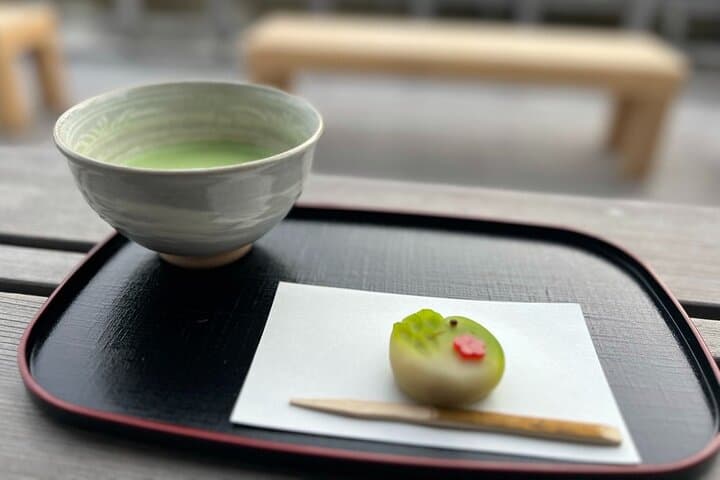
Stroll the tidal ponds and clipped pines of Hama‑Rikyu Gardens, learn Edo‑period garden design, and finish with a traditional matcha tea ceremony and sweets. This guided 1.5–2.5 hour walk pairs cultural insight with relaxed, walkable scenery.
Stroll the tidal ponds and clipped pines of Hama‑Rikyu Gardens, learn Edo‑period garden design, and finish with a traditional matcha tea ceremony and sweets. This guided 1.5–2.5 hour walk pairs cultural insight with relaxed, walkable scenery.
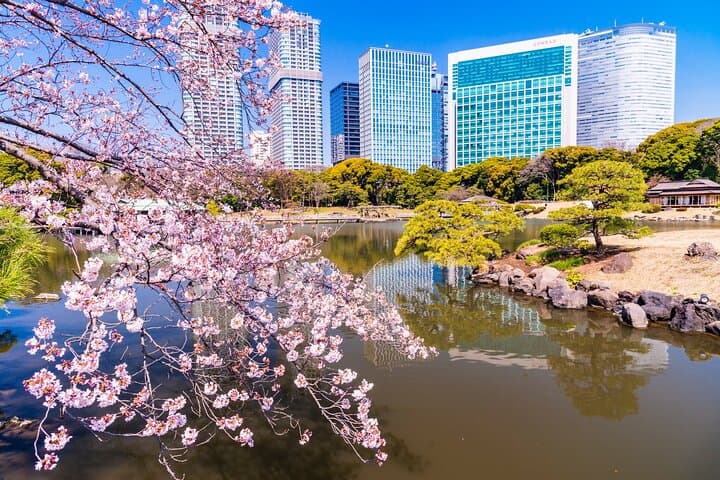
You step over Otemon Bridge and Tokyo mutters behind you — glass towers and transit hum — while a tidal pond waits, slow and deliberate, within the garden walls. Hama‑Rikyu opens like a quiet chapter of the city: raked gravel, clipped pines, and a tea house on an island that invites you to sit and watch seawater tides edge the pond.
Verified experiences and guided adventures in the surrounding area.
Operated by gotcha · Tokyo, Tokyo
You step over Otemon Bridge and Tokyo mutters behind you — glass towers and transit hum — while a tidal pond waits, slow and deliberate, within the garden walls. Hama‑Rikyu opens like a quiet chapter of the city: raked gravel, clipped pines, and a tea house on an island that invites you to sit and watch seawater tides edge the pond.
The garden is one of Tokyo’s surviving daimyo estates from the Edo period (1603–1868). Its Kaiyu‑shiki (circular) garden and Karesansui (dry landscape) reflect design principles that mix borrowed views, seasonal plantings, and a historical relationship with Tokyo Bay — the pond still receives seawater at high tide. Nearby, Shiodome’s modern structures form a stark geological contrast: reclaimed land and river deposits remade into urban ground.
Culturally, this tour pairs interpretation with practice: a guide explains garden symbolism and layout, then leads a short tea ceremony where matcha and wagashi focus attention and pace.
Practical guidance: plan 1.5–2.5 hours, wear comfortable walking shoes for gravel and stepping stones, and carry a light layer; the waterfront can be breezy. Public transport access is excellent — meet at Otemon Bridge and finish near Shiodome station. Photography is welcome but be respectful inside the tea house and during the ceremony. Mind seasonal shifts: cherry blossoms and azaleas bring crowds in spring; summer is lush and humid; autumn offers maple color; winter emphasizes form and structure. The experience is low‑impact and accessible to most walkers, offering a concise, interpretive slice of Edo garden culture in the heart of Tokyo.
easy.
1.5–2.5 hours.
Suitable for most fitness levels; light walking and short standing periods during explanations
Yes — entrance to Hama‑Rikyu Gardens and the matcha tea with sweets are included in the tour fee.
The walk is easy: mostly level paths with short distances between stops; suitable for most visitors who can stand and walk short stretches.
Photography is generally discouraged inside the tea house; your guide will explain when it’s appropriate to take pictures.
Meet at Otemon Bridge (Hama‑Rikyu entrance). The tour concludes near Shiodome station (Yurikamome and Toei Oedo lines) for convenient transit connections.
Hama‑Rikyu was a daimyo garden in the Edo period and is unique in Tokyo for its seawater pond, reflecting historical ties to Tokyo Bay.
Stay on designated paths and avoid feeding wildlife; the garden is actively managed to balance visitor access with preservation of historical plantings.
gotcha operates guided outdoor trips and adventures with an emphasis on safety, stewardship, and memorable experiences.
You step over Otemon Bridge and Tokyo mutters behind you — glass towers and transit hum — while a tidal pond waits, slow and deliberate, within the garden walls. Hama‑Rikyu opens like a quiet chapter of the city: raked gravel, clipped pines, and a tea house on an island that invites you to sit and watch seawater tides edge the pond.
You step over Otemon Bridge and Tokyo mutters behind you — glass towers and transit hum — while a tidal pond waits, slow and deliberate, within the garden walls. Hama‑Rikyu opens like a quiet chapter of the city: raked gravel, clipped pines, and a tea house on an island that invites you to sit and watch seawater tides edge the pond.
The garden is one of Tokyo’s surviving daimyo estates from the Edo period (1603–1868). Its Kaiyu‑shiki (circular) garden and Karesansui (dry landscape) reflect design principles that mix borrowed views, seasonal plantings, and a historical relationship with Tokyo Bay — the pond still receives seawater at high tide. Nearby, Shiodome’s modern structures form a stark geological contrast: reclaimed land and river deposits remade into urban ground.
Culturally, this tour pairs interpretation with practice: a guide explains garden symbolism and layout, then leads a short tea ceremony where matcha and wagashi focus attention and pace.
Practical guidance: plan 1.5–2.5 hours, wear comfortable walking shoes for gravel and stepping stones, and carry a light layer; the waterfront can be breezy. Public transport access is excellent — meet at Otemon Bridge and finish near Shiodome station. Photography is welcome but be respectful inside the tea house and during the ceremony. Mind seasonal shifts: cherry blossoms and azaleas bring crowds in spring; summer is lush and humid; autumn offers maple color; winter emphasizes form and structure. The experience is low‑impact and accessible to most walkers, offering a concise, interpretive slice of Edo garden culture in the heart of Tokyo.