THE ADVENTURE COLLECTIVE® · Independent discovery and booking for outdoor travel

A single-day trek up Ham Rong Mountain offers sweeping views of Fansipan and the Muong Hoa Valley, cultural encounters with Hmong villages, and varied trail terrain. This guided route pairs scenic lookouts with practical local insight for an accessible alpine experience.
A single-day trek up Ham Rong Mountain offers sweeping views of Fansipan and the Muong Hoa Valley, cultural encounters with Hmong villages, and varied trail terrain. This guided route pairs scenic lookouts with practical local insight for an accessible alpine experience.
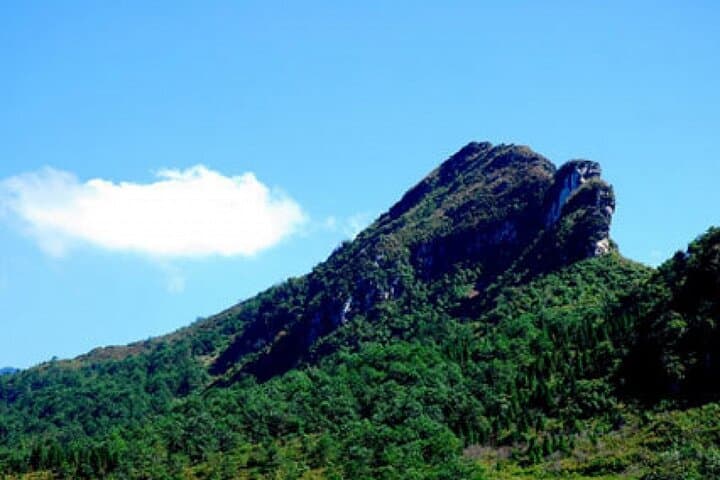
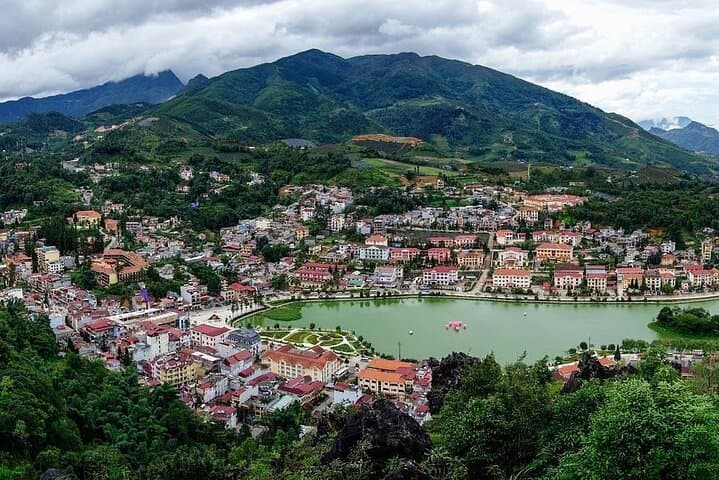
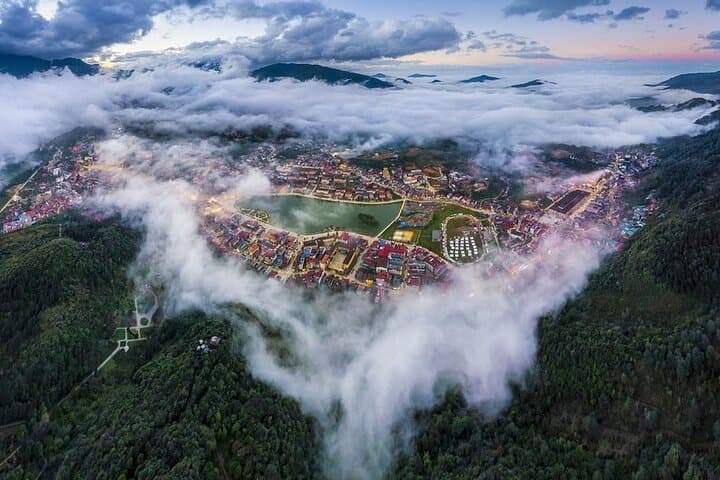
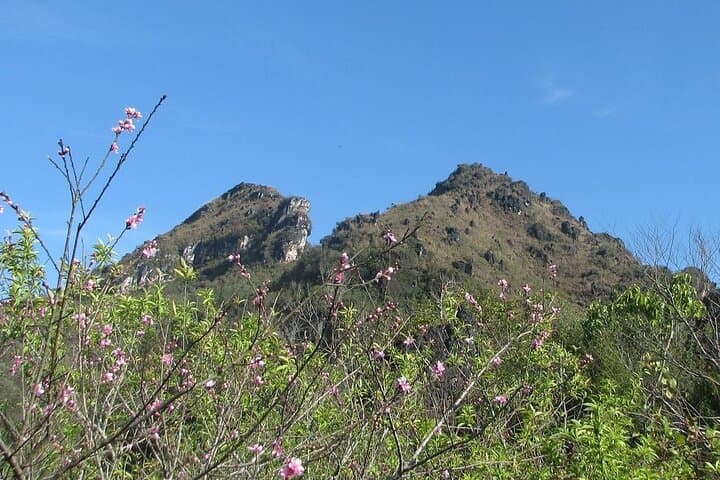
You step out of Sapa’s narrow streets into a cool, sharp air; the ridge ahead of Ham Rong Mountain rises like a folded spine above the town, and clouds move through the valley as if testing the trails.
Verified experiences and guided adventures in the surrounding area.
Operated by SAIGONESE TREKKING HOUSE · Sapa, Lao Cai
You step out of Sapa’s narrow streets into a cool, sharp air; the ridge ahead of Ham Rong Mountain rises like a folded spine above the town, and clouds move through the valley as if testing the trails.
The route climbs through manicured orchid gardens and wild rhododendron stands, then pushes into steeper rock terraces that frame panoramic views of Fansipan and the patchwork of Muong Hoa Valley rice terraces below. Geologically the Hoang Lien Range—the backbone you can see here—was pushed up by tectonic forces and carved by centuries of rain and frost; the result is steep ridgelines, scattered boulders, and pockets of evergreen forest.
Culture threads the route: Hmong villages like Sa Seng and Hang Da sit on slopes where traditional indigo-dyed fabrics and terraced fields reflect a long history of highland agriculture and community life. A Hmong guide does more than point out viewpoints; they translate local stories about land use, seasonal festivals, and the practical rhythms that shaped the farms you pass.
Practically: expect a 5–6 hour day with moderate climbs and uneven stone steps. Trails can be slippery after rain and sun exposure increases above the treeline. The tour commonly includes bottled water, lunch, and return transport to Sapa town—bring cash for small purchases and tips.
Timing your hike for morning or late afternoon sharpens the light over Fansipan and reduces mid-day heat. Sturdy hiking shoes, layered clothing, and a modest level of fitness will make the day more enjoyable—Ham Rong rewards steady walkers with one of Sapa’s clearest vantage points.
moderate.
5–6 hours.
Moderate fitness: comfortable with sustained uphill walking, stairs, and uneven terrain.
The tour runs about 5–6 hours and is rated moderate—expect steady climbs, stone steps, and uneven trails rather than technical scrambling.
This particular tour includes a Hmong local guide—booking in advance secures an experienced guide who can explain local culture and navigate the route.
People with moderate fitness can usually complete the day; however, those with mobility, heart, or spinal issues should avoid the trek, and children should be comfortable with extended walking.
Guides often speak Vietnamese and basic English; the tour typically includes bottled water and lunch as noted in inclusions.
Sapa sits within the Hoang Lien Range and has long been home to ethnic minorities such as the Hmong; the terraced agriculture visible from Ham Rong reflects centuries of hillside farming methods adapted to highland conditions.
Trails see increasing visitor numbers—stick to marked paths, avoid single-use plastics when possible, and support local guides and village economies to promote sustainable tourism.
SAIGONESE TREKKING HOUSE operates guided outdoor trips and adventures with an emphasis on safety, stewardship, and memorable experiences.
You step out of Sapa’s narrow streets into a cool, sharp air; the ridge ahead of Ham Rong Mountain rises like a folded spine above the town, and clouds move through the valley as if testing the trails.
You step out of Sapa’s narrow streets into a cool, sharp air; the ridge ahead of Ham Rong Mountain rises like a folded spine above the town, and clouds move through the valley as if testing the trails.
The route climbs through manicured orchid gardens and wild rhododendron stands, then pushes into steeper rock terraces that frame panoramic views of Fansipan and the patchwork of Muong Hoa Valley rice terraces below. Geologically the Hoang Lien Range—the backbone you can see here—was pushed up by tectonic forces and carved by centuries of rain and frost; the result is steep ridgelines, scattered boulders, and pockets of evergreen forest.
Culture threads the route: Hmong villages like Sa Seng and Hang Da sit on slopes where traditional indigo-dyed fabrics and terraced fields reflect a long history of highland agriculture and community life. A Hmong guide does more than point out viewpoints; they translate local stories about land use, seasonal festivals, and the practical rhythms that shaped the farms you pass.
Practically: expect a 5–6 hour day with moderate climbs and uneven stone steps. Trails can be slippery after rain and sun exposure increases above the treeline. The tour commonly includes bottled water, lunch, and return transport to Sapa town—bring cash for small purchases and tips.
Timing your hike for morning or late afternoon sharpens the light over Fansipan and reduces mid-day heat. Sturdy hiking shoes, layered clothing, and a modest level of fitness will make the day more enjoyable—Ham Rong rewards steady walkers with one of Sapa’s clearest vantage points.