
Hallstatt Full-Day Tour from Vienna: Lakeside Views, Salt History & Alpine Vistas
Swap Vienna’s boulevards for alpine water and ancient salt mines on a full-day trip to Hallstatt. This guide outlines what you’ll see, the town’s salt-rich history, and practical tips to make the most of a long but rewarding day trip.
An Adventure In Hallstatt.
Swap Vienna’s boulevards for alpine water and ancient salt mines on a full-day trip to Hallstatt. This guide outlines what you’ll see, the town’s salt-rich history, and practical tips to make the most of a long but rewarding day trip.
Read the full experience
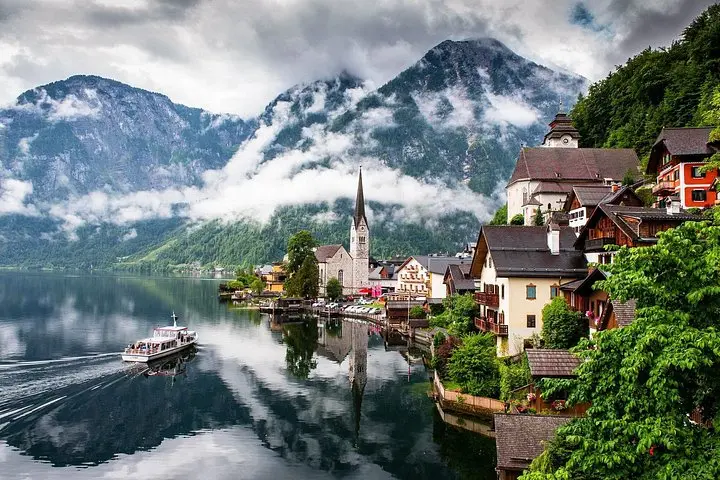
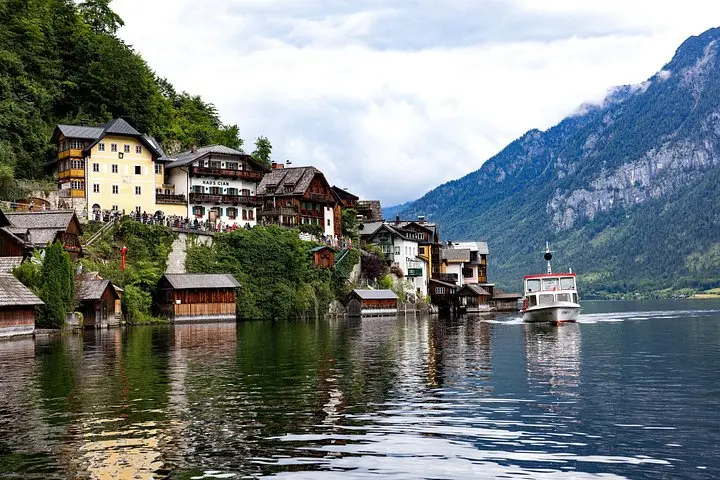
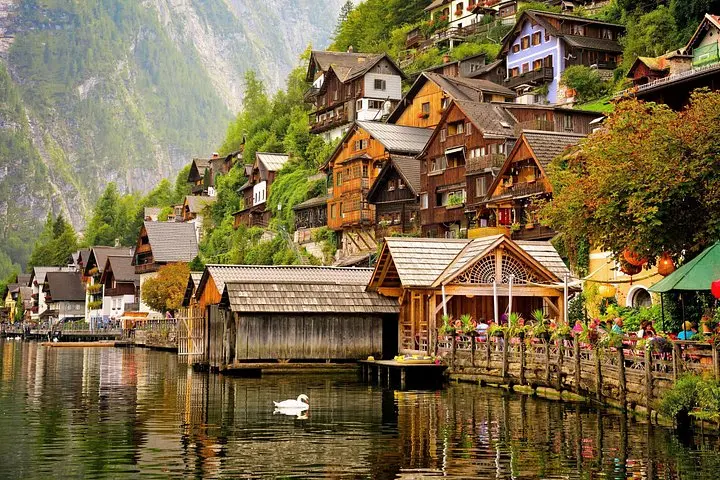
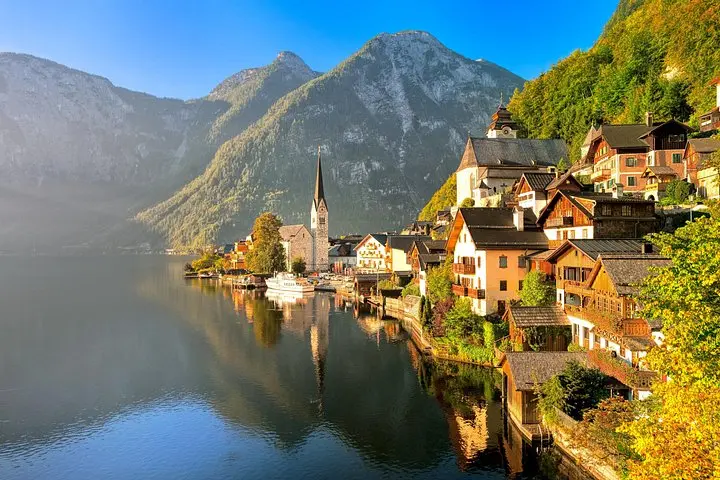
You arrive before the village fully wakes: the lake lies glass-smooth, the church spire a thin punctuation against the Dachstein mass. The motorcoach drops you at the promenade and the tempo slows—footsteps replace the road’s drone as you walk between timbered houses and the water’s edge.
You arrive before the village fully wakes: the lake lies glass-smooth, the church spire a thin punctuation against the Dachstein mass. The motorcoach drops you at the promenade and the tempo slows—footsteps replace the road’s drone as you walk between timbered houses and the water’s edge.
Hallstatt’s narrow lanes and waterfront squares record centuries of salt and settlement. Salt extraction here dates back to the Bronze and Iron Ages; the “Hallstatt culture” of early Europe takes its name from discoveries made in nearby salt mines. Geologically, the town sits where limestone cliffs meet glacially-carved Lake Hallstatt, creating steep slopes, caves, and a compact village squeezed between rock and water.
Locals still point to the old mines, the small ossuary on the hill, and the less-trafficked Mühlbach channel where quiet reflections happen. Early mornings and late afternoons offer the best light for photography and the fewest crowds.
Practical guidance: this is a long day — expect a 10–12 hour outing with about 2–3 hours of guided walking and additional free time for independent exploration. Wear sturdy shoes for cobblestones and short uphill lanes; layers are key because valley mornings are cool and afternoon sun can be strong. Bring cash for small shops, and plan restroom stops—public facilities are available but busy in high season. If you prefer more time in town, consider staying overnight in Hallstatt or nearby Bad Goisern to split travel time and catch sunrise reflections without the rush.
Frequently asked questions
Expect roughly 3.5–4 hours each way by coach, depending on traffic and stops through the Salzkammergut region.
This standard full-day tour provides guided town time; specialized attractions like the salt mine or museum typically require separate admission.
The guided portion includes about 1–2 miles of mostly flat promenade walking and a few short uphill lanes; free time lets you choose how much you explore by foot.
Yes—cafés, bakeries, and public restrooms are available but can have lines during peak season; bring small change for facilities where needed.
About This Experience
CapitalCityDiscoveries GmbH operates guided outdoor trips and adventures with an emphasis on safety, stewardship, and memorable experiences.
Adventure tips
Recommended gear
- Sturdy walking shoes: Protects feet on cobblestones, wet promenades, and short uphill lanes.
- Light waterproof jacket: Shields against sudden rain and chill from alpine breezes.
- Daypack with water bottle: Carries snacks, water, camera, and an extra layer for a long day.
- Camera or smartphone with extra battery: Captures lake reflections and village panoramas—battery drains quickly in cold weather.
Photos of the experience
Related adventures & guides
Read the full experience
You arrive before the village fully wakes: the lake lies glass-smooth, the church spire a thin punctuation against the Dachstein mass. The motorcoach drops you at the promenade and the tempo slows—footsteps replace the road’s drone as you walk between timbered houses and the water’s edge.
You arrive before the village fully wakes: the lake lies glass-smooth, the church spire a thin punctuation against the Dachstein mass. The motorcoach drops you at the promenade and the tempo slows—footsteps replace the road’s drone as you walk between timbered houses and the water’s edge.
Hallstatt’s narrow lanes and waterfront squares record centuries of salt and settlement. Salt extraction here dates back to the Bronze and Iron Ages; the “Hallstatt culture” of early Europe takes its name from discoveries made in nearby salt mines. Geologically, the town sits where limestone cliffs meet glacially-carved Lake Hallstatt, creating steep slopes, caves, and a compact village squeezed between rock and water.
Locals still point to the old mines, the small ossuary on the hill, and the less-trafficked Mühlbach channel where quiet reflections happen. Early mornings and late afternoons offer the best light for photography and the fewest crowds.
Practical guidance: this is a long day — expect a 10–12 hour outing with about 2–3 hours of guided walking and additional free time for independent exploration. Wear sturdy shoes for cobblestones and short uphill lanes; layers are key because valley mornings are cool and afternoon sun can be strong. Bring cash for small shops, and plan restroom stops—public facilities are available but busy in high season. If you prefer more time in town, consider staying overnight in Hallstatt or nearby Bad Goisern to split travel time and catch sunrise reflections without the rush.
Make a day of it nearby.
Verified experiences and guided adventures in the surrounding area.