THE ADVENTURE COLLECTIVE® · Independent discovery and booking for outdoor travel

Spend a long day traveling from Vienna to Hallstatt to explore the 3,000‑year‑old salt mines, a cliffside skywalk and the compact UNESCO market square. This private tour mixes geology, local history and panoramic viewpoints with hands‑on museum context.
Spend a long day traveling from Vienna to Hallstatt to explore the 3,000‑year‑old salt mines, a cliffside skywalk and the compact UNESCO market square. This private tour mixes geology, local history and panoramic viewpoints with hands‑on museum context.
A lacquered lake mirrors the Dachstein peaks as you arrive: Hallstätter See catches the sky and the village seems to hang from the mountain’s ribs. The road switchbacks down to the waterfront, and the first view—steep roofs, the narrow cemetery steps, the church spire—sets the tone for a day of focused discovery.
Verified experiences and guided adventures in the surrounding area.
Operated by George Tours · Hallstatt, Upper Austria
A lacquered lake mirrors the Dachstein peaks as you arrive: Hallstätter See catches the sky and the village seems to hang from the mountain’s ribs. The road switchbacks down to the waterfront, and the first view—steep roofs, the narrow cemetery steps, the church spire—sets the tone for a day of focused discovery.
This region has been shaped by salt for millennia. The Salzkammergut’s limestone and evaporite geology created salt seams that humans have worked since the Bronze Age; finds from local cemeteries gave rise to the Hallstatt culture of the Iron Age. The town’s 12th‑century Catholic church and the compact market square show how mining wealth translated into tight urban fabric and centuries of craft and trade.
Visitors split time between the waterfront village, the compact Hallstatt Museum with its archaeology and mining artifacts, and the Salzberg salt world where guided tours descend into 3,000‑year‑old tunnels. The World Heritage View skywalk offers a sharp, panoramic counterpoint—an airy ledge above the lake where the scale of the valley is suddenly clear.
Practical edge: this is a long day (expect 11–13 hours door‑to‑door from Vienna). Wear grippy footwear for cobbles and mine steps, pack a layered waterproof, and budget extra time for the optional salt mine tour and museum admissions. Crowds peak in summer and when cruise ships call; early or late in the day eases foot traffic. The route is largely accessible, but some mine sections and steep village paths require steady footing. Bring a charged camera, small daypack, water, and patience—Hallstatt rewards those who notice details as much as views.
easy.
11–13 hours.
Suitable for travelers with normal mobility able to stand and walk for several hours; short hikes and stairs expected
No; the salt mine tour is optional and usually requires a separate admission—your guide can arrange access but expect an extra fee.
One‑way driving time is roughly 3–4 hours depending on traffic; the full private day tour is typically 11–13 hours including transfers.
Many public areas like the market square and some museum sections are accessible, but steep paths and certain mine sections are not fully wheelchair friendly—check specifics with the operator in advance.
Visit in shoulder seasons (late spring or early fall) or earlier in the morning and later afternoon in summer to avoid cruise and day‑trip peak crowds.
Hallstatt’s wealth comes from salt mining dating back over 3,000 years; finds here defined the early Iron Age ‘Hallstatt culture.’
Hallstatt is a UNESCO World Heritage site facing overtourism pressure; stick to marked trails, respect private property and favor local businesses to keep impact low.
George Tours operates guided outdoor trips and adventures with an emphasis on safety, stewardship, and memorable experiences.
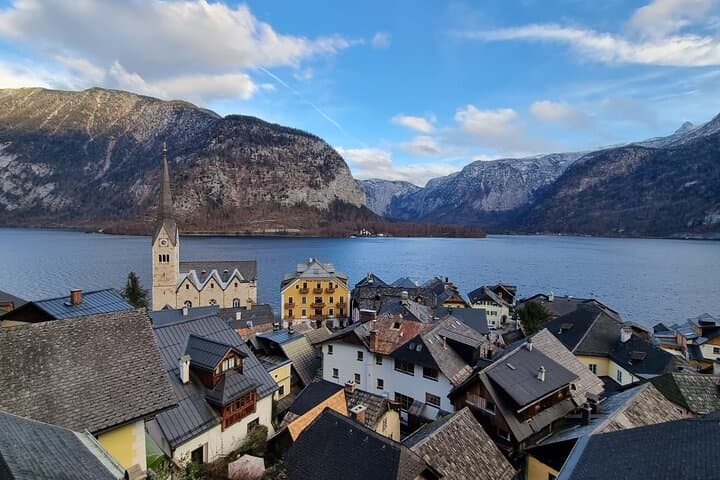
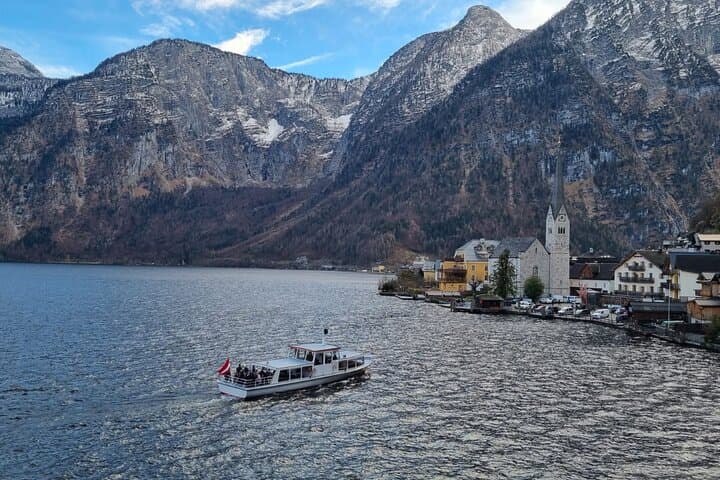
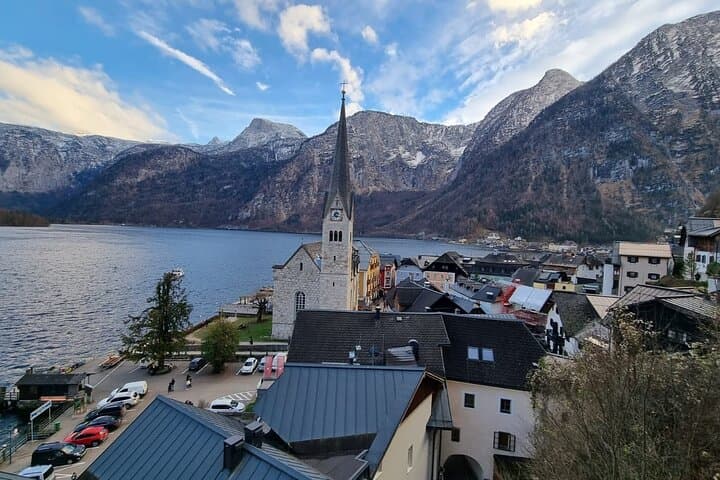
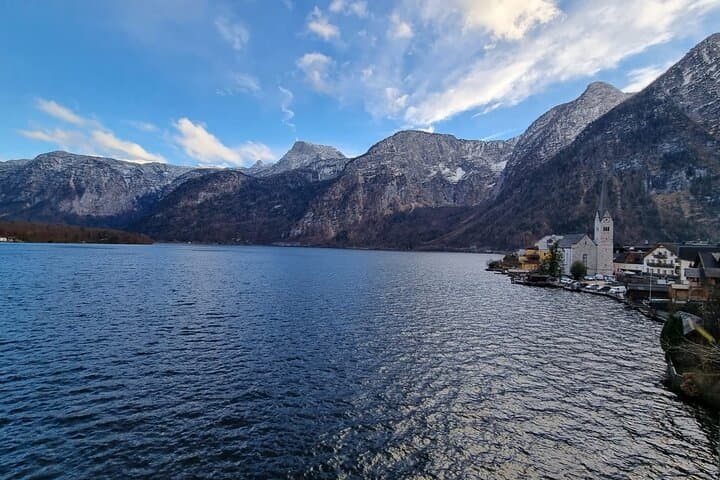
A lacquered lake mirrors the Dachstein peaks as you arrive: Hallstätter See catches the sky and the village seems to hang from the mountain’s ribs. The road switchbacks down to the waterfront, and the first view—steep roofs, the narrow cemetery steps, the church spire—sets the tone for a day of focused discovery.
A lacquered lake mirrors the Dachstein peaks as you arrive: Hallstätter See catches the sky and the village seems to hang from the mountain’s ribs. The road switchbacks down to the waterfront, and the first view—steep roofs, the narrow cemetery steps, the church spire—sets the tone for a day of focused discovery.
This region has been shaped by salt for millennia. The Salzkammergut’s limestone and evaporite geology created salt seams that humans have worked since the Bronze Age; finds from local cemeteries gave rise to the Hallstatt culture of the Iron Age. The town’s 12th‑century Catholic church and the compact market square show how mining wealth translated into tight urban fabric and centuries of craft and trade.
Visitors split time between the waterfront village, the compact Hallstatt Museum with its archaeology and mining artifacts, and the Salzberg salt world where guided tours descend into 3,000‑year‑old tunnels. The World Heritage View skywalk offers a sharp, panoramic counterpoint—an airy ledge above the lake where the scale of the valley is suddenly clear.
Practical edge: this is a long day (expect 11–13 hours door‑to‑door from Vienna). Wear grippy footwear for cobbles and mine steps, pack a layered waterproof, and budget extra time for the optional salt mine tour and museum admissions. Crowds peak in summer and when cruise ships call; early or late in the day eases foot traffic. The route is largely accessible, but some mine sections and steep village paths require steady footing. Bring a charged camera, small daypack, water, and patience—Hallstatt rewards those who notice details as much as views.