THE ADVENTURE COLLECTIVE® · Independent discovery and booking for outdoor travel

A private, full-day shore excursion from Halifax that links Peggy’s Cove, the Swissair memorial, Lunenburg and Mahone Bay. Expect coastal geology, maritime history, short walks and a paced, guide-led overview of Nova Scotia’s South Shore.
A private, full-day shore excursion from Halifax that links Peggy’s Cove, the Swissair memorial, Lunenburg and Mahone Bay. Expect coastal geology, maritime history, short walks and a paced, guide-led overview of Nova Scotia’s South Shore.
You step off the ship into salt air and a stretch of highway that quickly opens to Atlantic light. The day begins with the small, wind-sculpted village of Peggy’s Cove — granite boulders stacked like a slow tide and the red-and-white lighthouse leaning against the sea. Waves dare you to stand still; gulls circle like punctuation marks.
Verified experiences and guided adventures in the surrounding area.
Operated by Travelportal · Halifax, Nova Scotia
You step off the ship into salt air and a stretch of highway that quickly opens to Atlantic light. The day begins with the small, wind-sculpted village of Peggy’s Cove — granite boulders stacked like a slow tide and the red-and-white lighthouse leaning against the sea. Waves dare you to stand still; gulls circle like punctuation marks.
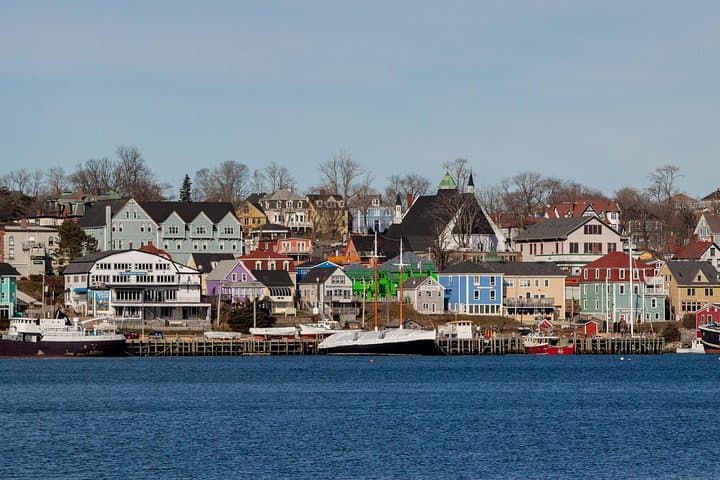
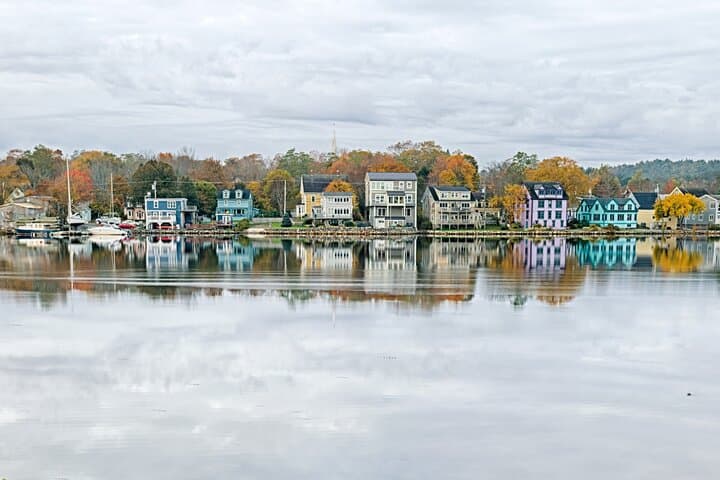
The route traces Nova Scotia’s South Shore, a corridor of fishing communities, rolling fields and bright clapboard houses. Geology here is blunt and ancient: bedrock exposed to the ocean, polished smooth by ice and spray. Lunenburg arrives like a living map of colonial planning — a UNESCO World Heritage town whose harbor and wooden architecture tell decades of shipbuilding and seafaring stories. Mahone Bay offers a softer pause: three churches on the waterfront, boutiques, and a quieter waterline.
History threads through the day — Swissair Flight 111’s memorial, the Fairview Lawn Cemetery’s Titanic markers, and Halifax’s Citadel keep telling the province’s relationship with the sea. Local guides add cultural context: fishing traditions, the Bluenose legacy, and community responses to maritime disasters.
Practicalities: the private tour runs about seven hours with comfortable, air-conditioned transport, bottled water, and short walking stops. Footwear should handle uneven coastal rock; layers are essential for wind and sun. Timing matters — mornings cut the glare on the water, while afternoon light is best for photographing Lunenburg’s colors. Allow a relaxed pace for reflection at the memorials and quick detours for artisan shops. For a single coastal day that mixes geology, history, and small-town life, this route delivers a grounded, scenic snapshot of Nova Scotia.
easy.
7 hours.
Suitable for most fitness levels; requires short, easy walks and standing on uneven ground.
The tour is approximately seven hours with pickup from the Halifax Cruise Terminal, hotels, or central Halifax locations.
Yes — the itinerary is rated easy with short, manageable walks; infant seats and stroller access are noted as available.
No — the tour includes guided stops and time at key sites, but admissions to specific museums or attractions are generally not included.
Bring respectful, quiet behavior, comfortable shoes for walking paths, and tissues or water; weather-appropriate layers are recommended.
Lunenburg is a planned British colonial settlement preserved since the 18th century; Halifax played a central role in Atlantic rescue and recovery operations, including Titanic aftermaths.
Peggy’s Cove’s coastal granite is geologically fragile — visitors are asked to stay on marked paths. Local efforts promote responsible visitation to protect shoreline habitat and memorial sites.
Travelportal operates guided outdoor trips and adventures with an emphasis on safety, stewardship, and memorable experiences.
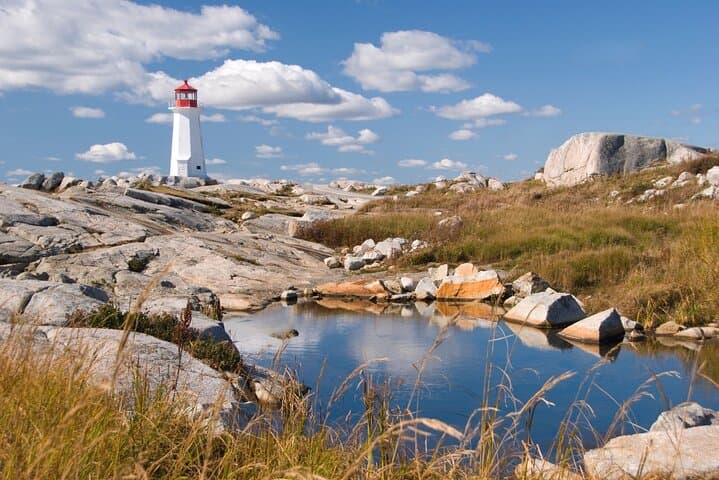

You step off the ship into salt air and a stretch of highway that quickly opens to Atlantic light. The day begins with the small, wind-sculpted village of Peggy’s Cove — granite boulders stacked like a slow tide and the red-and-white lighthouse leaning against the sea. Waves dare you to stand still; gulls circle like punctuation marks.
You step off the ship into salt air and a stretch of highway that quickly opens to Atlantic light. The day begins with the small, wind-sculpted village of Peggy’s Cove — granite boulders stacked like a slow tide and the red-and-white lighthouse leaning against the sea. Waves dare you to stand still; gulls circle like punctuation marks.
The route traces Nova Scotia’s South Shore, a corridor of fishing communities, rolling fields and bright clapboard houses. Geology here is blunt and ancient: bedrock exposed to the ocean, polished smooth by ice and spray. Lunenburg arrives like a living map of colonial planning — a UNESCO World Heritage town whose harbor and wooden architecture tell decades of shipbuilding and seafaring stories. Mahone Bay offers a softer pause: three churches on the waterfront, boutiques, and a quieter waterline.
History threads through the day — Swissair Flight 111’s memorial, the Fairview Lawn Cemetery’s Titanic markers, and Halifax’s Citadel keep telling the province’s relationship with the sea. Local guides add cultural context: fishing traditions, the Bluenose legacy, and community responses to maritime disasters.
Practicalities: the private tour runs about seven hours with comfortable, air-conditioned transport, bottled water, and short walking stops. Footwear should handle uneven coastal rock; layers are essential for wind and sun. Timing matters — mornings cut the glare on the water, while afternoon light is best for photographing Lunenburg’s colors. Allow a relaxed pace for reflection at the memorials and quick detours for artisan shops. For a single coastal day that mixes geology, history, and small-town life, this route delivers a grounded, scenic snapshot of Nova Scotia.