THE ADVENTURE COLLECTIVE® · Independent discovery and booking for outdoor travel

In just four hours this private coast-hugging drive from Halifax delivers UNESCO-listed Lunenburg’s colorful waterfront and Mahone Bay’s iconic churches. Enjoy flexible stops, inside tips from a driver-guide, and relaxed walks tailored to a short visit.
In just four hours this private coast-hugging drive from Halifax delivers UNESCO-listed Lunenburg’s colorful waterfront and Mahone Bay’s iconic churches. Enjoy flexible stops, inside tips from a driver-guide, and relaxed walks tailored to a short visit.
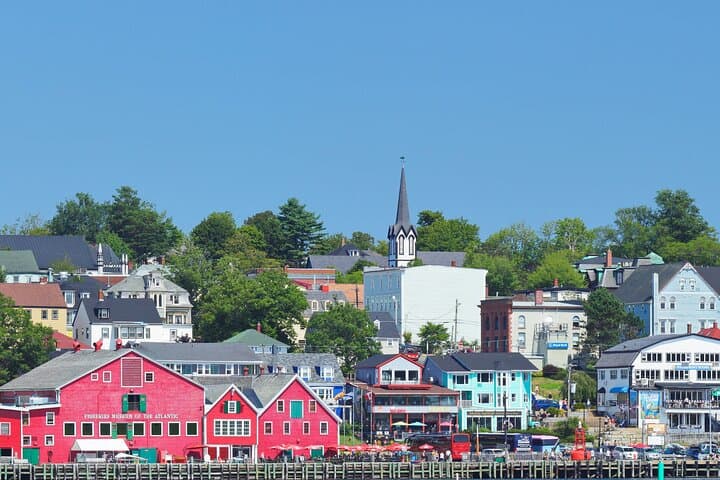
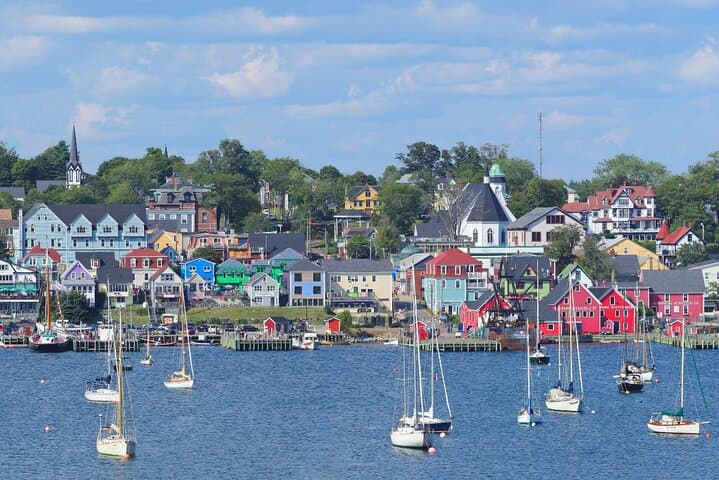
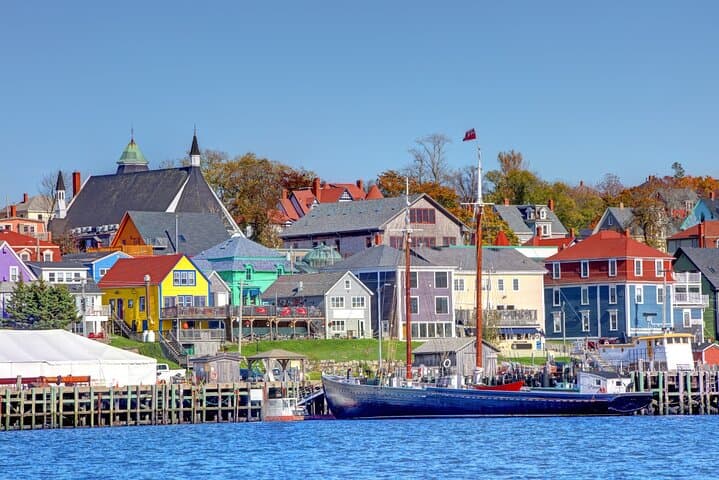
You roll out of Halifax onto the Lighthouse Route and the sea slides into view—salt-scrubbed headlands, small fishing coves, and the bright clapboard houses of Lunenburg rising above a working harbour. In four hours a private driver threads you between lookouts and town squares, leaving you time to walk the waterfront, stare at the Bluenose II, and sip coffee where local fishermen mend nets.
Verified experiences and guided adventures in the surrounding area.
Operated by Travelportal · Lunenburg, Nova Scotia
You roll out of Halifax onto the Lighthouse Route and the sea slides into view—salt-scrubbed headlands, small fishing coves, and the bright clapboard houses of Lunenburg rising above a working harbour. In four hours a private driver threads you between lookouts and town squares, leaving you time to walk the waterfront, stare at the Bluenose II, and sip coffee where local fishermen mend nets.
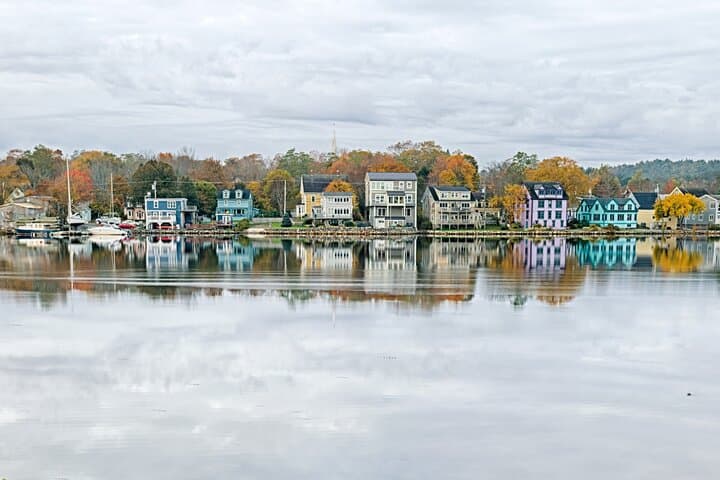
Lunenburg’s grid of 18th- and 19th-century buildings reflects its shipbuilding past; its harbour owes form to glacial scouring and post-Ice Age sea-level shifts that shaped Nova Scotia’s indented coastline. Mahone Bay, a short drive west, offers calmer water, three steeples punctuating low hills, and a slow, craft-focused culture of galleries and bakeries.
Expect crisp maritime air, gull calls, and narrow streets that reward slow exploration. The Fisheries Museum of the Atlantic explains regional economy and vessel design; local boutiques highlight woodworking and textile crafts still practiced here.
Practicalities: the tour is low-impact walking with curb-to-curb private transport, so footwear should be sturdy but not technical; bring layered outerwear—the coast changes fast. Timing matters: morning transfers are quieter for photos and museum visits; afternoon light favors Mahone Bay’s waterfront. If arriving by cruise, confirm terminal pickup times and factor a brief security buffer.
This is a compact, accessible coastal sampler—ideal for travelers who want a concentrated taste of Nova Scotia’s maritime history, scenery, and small-town character without a full-day commitment.
easy.
4 hours.
Minimal fitness required; participants should be comfortable walking short distances on uneven surfaces.
Museum entry is optional; if you plan to go inside, check opening hours in advance—admission is separate from the tour price.
Yes—pickups from Halifax hotels and the cruise terminal are available; provide your terminal and ship times when booking.
The vehicle can accommodate strollers and infant seats; some historic streets and waterfront areas have uneven surfaces that may limit accessibility.
Typical stops allot about 60–75 minutes in Lunenburg and 20–30 minutes in Mahone Bay, with flexible timing based on your priorities and traffic.
Lunenburg was established by British settlers in the mid-18th century and grew as a fisheries and shipbuilding center; its preserved grid of wooden buildings earned UNESCO World Heritage status for cultural significance.
Local organizations monitor marine habitat and sustainable fisheries; visitors are asked to avoid disturbing shorebird nesting areas and to use marked walking areas to protect coastal vegetation.
Travelportal operates guided outdoor trips and adventures with an emphasis on safety, stewardship, and memorable experiences.
You roll out of Halifax onto the Lighthouse Route and the sea slides into view—salt-scrubbed headlands, small fishing coves, and the bright clapboard houses of Lunenburg rising above a working harbour. In four hours a private driver threads you between lookouts and town squares, leaving you time to walk the waterfront, stare at the Bluenose II, and sip coffee where local fishermen mend nets.
You roll out of Halifax onto the Lighthouse Route and the sea slides into view—salt-scrubbed headlands, small fishing coves, and the bright clapboard houses of Lunenburg rising above a working harbour. In four hours a private driver threads you between lookouts and town squares, leaving you time to walk the waterfront, stare at the Bluenose II, and sip coffee where local fishermen mend nets.
Lunenburg’s grid of 18th- and 19th-century buildings reflects its shipbuilding past; its harbour owes form to glacial scouring and post-Ice Age sea-level shifts that shaped Nova Scotia’s indented coastline. Mahone Bay, a short drive west, offers calmer water, three steeples punctuating low hills, and a slow, craft-focused culture of galleries and bakeries.
Expect crisp maritime air, gull calls, and narrow streets that reward slow exploration. The Fisheries Museum of the Atlantic explains regional economy and vessel design; local boutiques highlight woodworking and textile crafts still practiced here.
Practicalities: the tour is low-impact walking with curb-to-curb private transport, so footwear should be sturdy but not technical; bring layered outerwear—the coast changes fast. Timing matters: morning transfers are quieter for photos and museum visits; afternoon light favors Mahone Bay’s waterfront. If arriving by cruise, confirm terminal pickup times and factor a brief security buffer.
This is a compact, accessible coastal sampler—ideal for travelers who want a concentrated taste of Nova Scotia’s maritime history, scenery, and small-town character without a full-day commitment.