THE ADVENTURE COLLECTIVE® · Independent discovery and booking for outdoor travel

Walk Halifax’s civic heart in 2–3 hours: from Citadel Hill down to the waterfront, discover Georgian and Victorian architecture, naval history, and harbor views guided by a local. Practical route details and timing make this a reliable shore excursion for cruise passengers and day visitors.
Walk Halifax’s civic heart in 2–3 hours: from Citadel Hill down to the waterfront, discover Georgian and Victorian architecture, naval history, and harbor views guided by a local. Practical route details and timing make this a reliable shore excursion for cruise passengers and day visitors.
You step off the gangway into sea air that tastes faintly of coal and salt, and the city lays itself out in a tidy slope toward the harbor. The boardwalk hums with ferries and gulls that wheel like punctuation marks; up above, Citadel Hill keeps quiet watch. A Halifax walking tour compresses centuries into blocks—stone, brick, and brass plaques—so you feel history underfoot as you move.
Verified experiences and guided adventures in the surrounding area.
Operated by My Holidays Online · Halifax, Nova Scotia
You step off the gangway into sea air that tastes faintly of coal and salt, and the city lays itself out in a tidy slope toward the harbor. The boardwalk hums with ferries and gulls that wheel like punctuation marks; up above, Citadel Hill keeps quiet watch. A Halifax walking tour compresses centuries into blocks—stone, brick, and brass plaques—so you feel history underfoot as you move.
Halifax was founded in 1749 as a British naval settlement and has grown around its military and maritime role. The hilltop Citadel, Old Town Clock and Province House point to imperial and political chapters; beneath them, glacially scoured bedrock and a sheltered harbor shaped trade routes and wartime strategy. The city sits on Mi'kmaq ancestral territory—local guides often weave Indigenous and settler narratives into the route, giving context to both place and people.
Practically, expect roughly 2–3 hours of walking with frequent stops for stories and viewpoints. The path covers paved streets, a stretch of cobblestones and a hill climb to the Citadel with an elevation change of about 50–70 meters; strollers can manage most sections but there are stairs. Wear grippy shoes and a windproof layer—the harbor pushes its own weather—and bring a filled water bottle. Cruises should note boarding times and carry ID; public transit and taxis are nearby if you need a quick return to port.
This is an accessible, narrative-rich stroll that pairs urban architecture and living harbor life with clear logistical expectations—perfect for travelers who want history served alongside fresh sea air.
moderate.
2–3 hours.
Moderate fitness for walking short urban distances with one uphill section; able to manage stairs and cobbles.
Yes—this shore excursion is designed for cruise passengers; at booking you'll be asked for ship name and docking/re-boarding times, and you should carry ID for re-boarding.
The tour lasts about 2–3 hours and covers roughly 2.5–3.5 km with an uphill climb to Citadel Hill of about 50–70 meters; there are stairs at the Citadel.
The tour typically runs in light rain—bring a rain shell—though individual operators may have cancellation policies; this listing allows full refunds if canceled at least 24 hours before departure.
Yes—there are public restrooms and cafés in downtown Halifax and benches near the waterfront; guides will pause for breaks as needed.
Halifax was established in 1749 as a British naval base; Citadel Hill and Province House reflect the city’s military and legislative roles through the 18th and 19th centuries.
Halifax’s waterfront is actively managed to balance tourism and habitat—respect signage near bird nesting spots, avoid disturbing marine life, and use established paths to protect shoreline vegetation.
My Holidays Online operates guided outdoor trips and adventures with an emphasis on safety, stewardship, and memorable experiences.



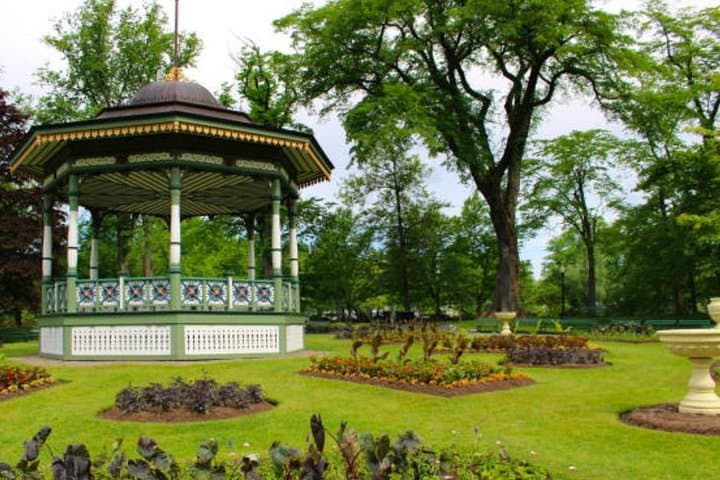
You step off the gangway into sea air that tastes faintly of coal and salt, and the city lays itself out in a tidy slope toward the harbor. The boardwalk hums with ferries and gulls that wheel like punctuation marks; up above, Citadel Hill keeps quiet watch. A Halifax walking tour compresses centuries into blocks—stone, brick, and brass plaques—so you feel history underfoot as you move.
You step off the gangway into sea air that tastes faintly of coal and salt, and the city lays itself out in a tidy slope toward the harbor. The boardwalk hums with ferries and gulls that wheel like punctuation marks; up above, Citadel Hill keeps quiet watch. A Halifax walking tour compresses centuries into blocks—stone, brick, and brass plaques—so you feel history underfoot as you move.
Halifax was founded in 1749 as a British naval settlement and has grown around its military and maritime role. The hilltop Citadel, Old Town Clock and Province House point to imperial and political chapters; beneath them, glacially scoured bedrock and a sheltered harbor shaped trade routes and wartime strategy. The city sits on Mi'kmaq ancestral territory—local guides often weave Indigenous and settler narratives into the route, giving context to both place and people.
Practically, expect roughly 2–3 hours of walking with frequent stops for stories and viewpoints. The path covers paved streets, a stretch of cobblestones and a hill climb to the Citadel with an elevation change of about 50–70 meters; strollers can manage most sections but there are stairs. Wear grippy shoes and a windproof layer—the harbor pushes its own weather—and bring a filled water bottle. Cruises should note boarding times and carry ID; public transit and taxis are nearby if you need a quick return to port.
This is an accessible, narrative-rich stroll that pairs urban architecture and living harbor life with clear logistical expectations—perfect for travelers who want history served alongside fresh sea air.