THE ADVENTURE COLLECTIVE® · Independent discovery and booking for outdoor travel

Head offshore from Halifax for a brisk two-hour fishing trip to McNab’s Island where captains chase cod, pollock and mackerel. Ideal for first-timers and experienced anglers alike, the trip supplies gear and local know-how for a hands-on ocean experience.
Head offshore from Halifax for a brisk two-hour fishing trip to McNab’s Island where captains chase cod, pollock and mackerel. Ideal for first-timers and experienced anglers alike, the trip supplies gear and local know-how for a hands-on ocean experience.
You step off the Halifax Waterfront with salt on your lips and the harbour pulling you outward. The boat eases past the boardwalk; gulls wheel and the Atlantic nudges the hull as the skyline shrinks. In under twenty minutes the city gives way to open water and McNab’s Island rises like a low ridge on the horizon — a landmark and waypoint as the captain picks the tide and current to chase fish.
Verified experiences and guided adventures in the surrounding area.
Operated by Sea Halifax Boat Tours · Halifax, Nova Scotia
You step off the Halifax Waterfront with salt on your lips and the harbour pulling you outward. The boat eases past the boardwalk; gulls wheel and the Atlantic nudges the hull as the skyline shrinks. In under twenty minutes the city gives way to open water and McNab’s Island rises like a low ridge on the horizon — a landmark and waypoint as the captain picks the tide and current to chase fish.
The waters around Halifax are part of a long maritime history: from Mi'kmaq seasonal fisheries to European cod fleets and 18th–19th century coastal defenses on McNab’s Island. Geologically, the coastline is bedrock and glacial till shaped by the last ice age, producing rocky islands and nutrient-rich currents that support pollock, mackerel, and Atlantic cod.
Culture here is practical and sea-smart; locals respect weather windows and the seasons. Expect short runs to productive spots, hands-on instruction, and a mix of bites — sometimes steady mackerel, sometimes a surprise cod. You can keep eligible catch; the captain will tell you size and possession rules.
Practical guidance: wear layered, waterproof outerwear and non-slip shoes, plan for wind and spray, and bring motion-sickness meds if you’re sensitive. Tours provide rods, tackle, and basic bait; no experience required. Photo opportunities include the Halifax skyline, McNab’s shoreline, and seabirds riding the wake. Trips are two hours from embarkation to return; morning tides often concentrate feeding fish, but captains adjust to local conditions. Return with fish to clean, local seafood spots to prepare your catch, and a better sense of why these currents still bring people to sea.
easy.
2 hours.
Suitable for most fitness levels; you should be able to step aboard a small boat and stand for 1–2 hour shifts.
No — the charter supplies rods, tackle, and instruction; guides coach beginners on baiting, casting, and landing fish.
Often yes for undersized species and within possession limits; the captain will confirm species-specific rules and cleaning options.
Most trips launch from the Halifax Waterfront; exact embarkation details are provided at booking and on confirmation.
Operators monitor conditions and will cancel or reschedule if seas are unsafe; check cancellation policy for refunds or rebooking.
Halifax Harbour has long supported Indigenous fisheries and later European cod fleets; McNab’s Island holds 18th–19th century military and quarantine remnants.
Follow captain guidance on catch limits and practice selective keep-or-release to protect local stocks; avoid discarding gear and plastics overboard.
Sea Halifax Boat Tours operates guided outdoor trips and adventures with an emphasis on safety, stewardship, and memorable experiences.

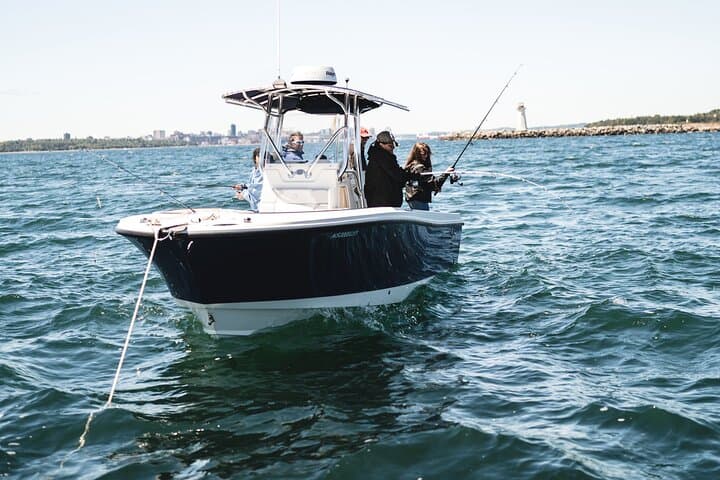
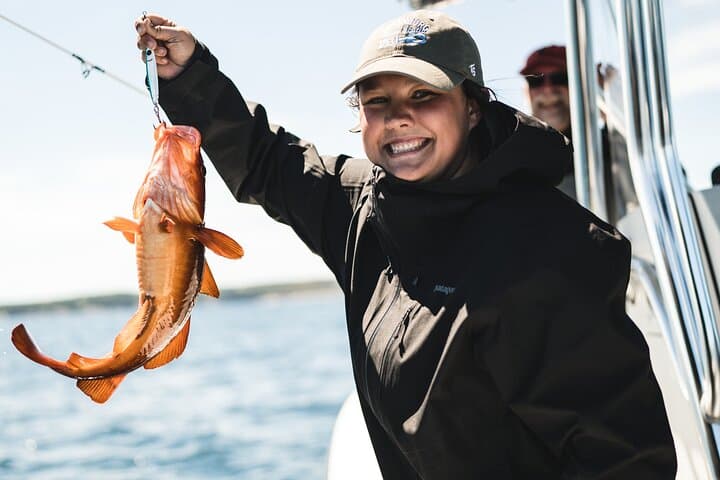
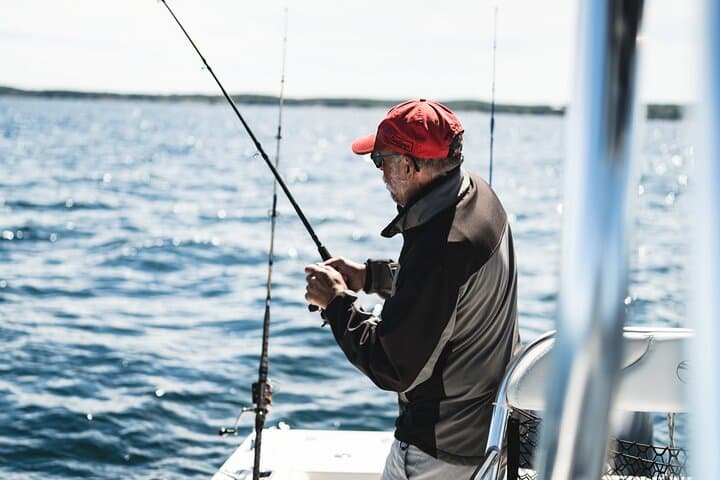
You step off the Halifax Waterfront with salt on your lips and the harbour pulling you outward. The boat eases past the boardwalk; gulls wheel and the Atlantic nudges the hull as the skyline shrinks. In under twenty minutes the city gives way to open water and McNab’s Island rises like a low ridge on the horizon — a landmark and waypoint as the captain picks the tide and current to chase fish.
You step off the Halifax Waterfront with salt on your lips and the harbour pulling you outward. The boat eases past the boardwalk; gulls wheel and the Atlantic nudges the hull as the skyline shrinks. In under twenty minutes the city gives way to open water and McNab’s Island rises like a low ridge on the horizon — a landmark and waypoint as the captain picks the tide and current to chase fish.
The waters around Halifax are part of a long maritime history: from Mi'kmaq seasonal fisheries to European cod fleets and 18th–19th century coastal defenses on McNab’s Island. Geologically, the coastline is bedrock and glacial till shaped by the last ice age, producing rocky islands and nutrient-rich currents that support pollock, mackerel, and Atlantic cod.
Culture here is practical and sea-smart; locals respect weather windows and the seasons. Expect short runs to productive spots, hands-on instruction, and a mix of bites — sometimes steady mackerel, sometimes a surprise cod. You can keep eligible catch; the captain will tell you size and possession rules.
Practical guidance: wear layered, waterproof outerwear and non-slip shoes, plan for wind and spray, and bring motion-sickness meds if you’re sensitive. Tours provide rods, tackle, and basic bait; no experience required. Photo opportunities include the Halifax skyline, McNab’s shoreline, and seabirds riding the wake. Trips are two hours from embarkation to return; morning tides often concentrate feeding fish, but captains adjust to local conditions. Return with fish to clean, local seafood spots to prepare your catch, and a better sense of why these currents still bring people to sea.