THE ADVENTURE COLLECTIVE® · Independent discovery and booking for outdoor travel

Board an 8‑hour charter from Homer to chase trophy halibut where the continental shelf drops and currents concentrate bait. Expect patient waits, sudden heavy fights, and hands-on fishing with gear and local knowledge provided.
Board an 8‑hour charter from Homer to chase trophy halibut where the continental shelf drops and currents concentrate bait. Expect patient waits, sudden heavy fights, and hands-on fishing with gear and local knowledge provided.
You step off the Homer spit into wind that tastes of glacier and salt, the harbor busy with skiff bows and weathered hands checking rigs. The boat slips free, and the bay opens: Kachemak’s gray water shoves against the hull like a living thing, eager and patient. Offshore, the halibut lie where the continental shelf drops and currents gather bait.
Verified experiences and guided adventures in the surrounding area.
Operated by Jake's Saltwater Adventures · Homer, Alaska
You step off the Homer spit into wind that tastes of glacier and salt, the harbor busy with skiff bows and weathered hands checking rigs. The boat slips free, and the bay opens: Kachemak’s gray water shoves against the hull like a living thing, eager and patient. Offshore, the halibut lie where the continental shelf drops and currents gather bait.
Homer’s reputation as the “Halibut Capital” grew from decades of commercial and sport harvest, and the shoreline tells that story in wharves, fish-processing sheds, and old-timer shacks. Geology here is raw — glacially carved fjords feeding deep channels that concentrate prey and draw big fish. The culture blends Aleut, Russian and settler history with a modern fishing ethic focused on seasons and regulation.
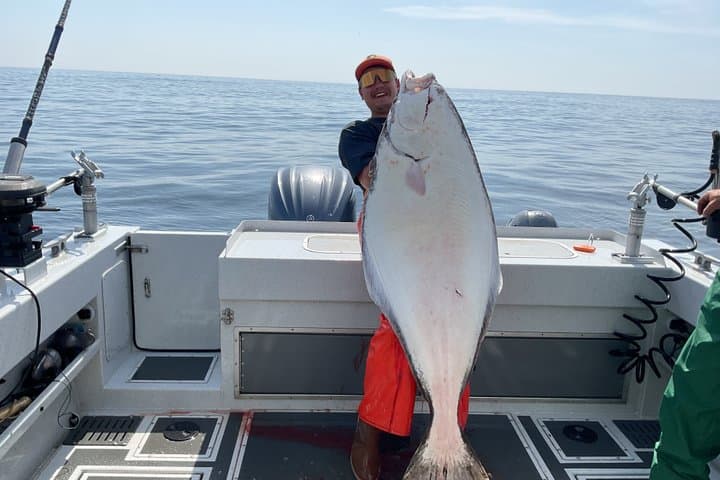
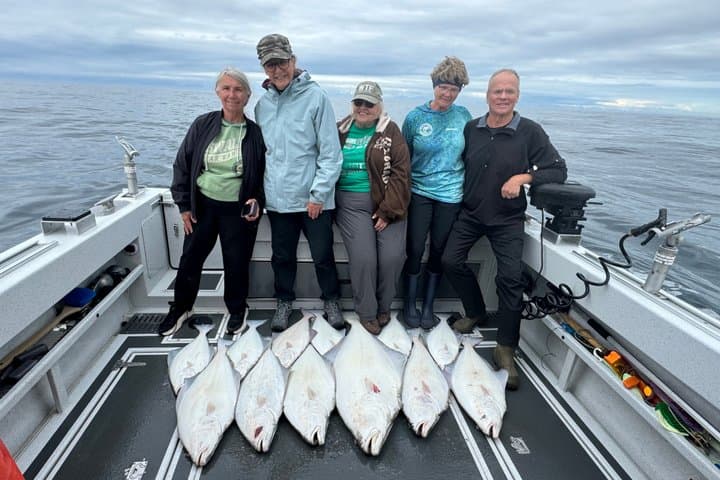
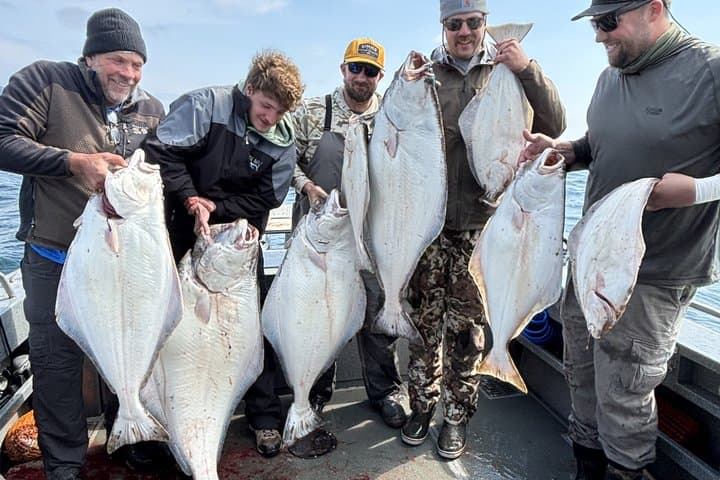
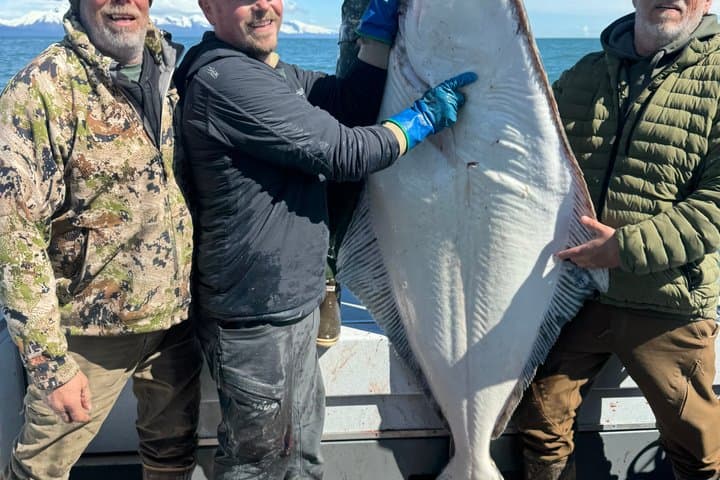
On an eight-hour charter you’ll circle productive marks, set baits in 200–600 feet and feel the rod tip bend when a halibut tests you. Expect long stretches of waiting punctuated by quick, heavy fights; the deck is working ground, not a museum. Local captains provide rods, tackle and know-how; anglers keep two halibut per day under current rules, but regulations change — confirm limits before you go.
Practical notes: dress in windproof layers, pack seasickness remedies, and bring water and snacks. Mornings are best for steadier seas and clearer light; weather can flip fast, so waterproof boots and a warm hat are essential. If you want to fillet at the dock, ask the crew — most crews will assist or point you to a local processor. This is a hands-on, full-day saltwater experience where the sea pushes, the line screams, and the reward is a heavy, flat fish at the rail.
moderate.
8 hours.
Able to stand, brace against motion, and manage short bursts of strength when hauling fish; general mobility required.
Current charter practice allows two halibut per angler; size and possession limits change—confirm with your operator and the Alaska Department of Fish and Game before your trip.
Yes—most Homer charters supply rods, reels and tackle; bring personal gear only if you prefer a specific setup.
Captains monitor conditions and will cancel or alter trips for safety; check cancellation policies and arrive prepared for quick changes in weather.
Many charters allow children but require adults to supervise; infants may need to sit on laps and crew may advise based on sea conditions.
Homer’s economy grew from commercial fishing and the construction of the spit; sport halibut fishing became a major draw in the late 20th century.
Follow catch limits, use single-hook rigs where recommended, and dispose of bait plastics properly to reduce marine debris and bycatch.
Jake's Saltwater Adventures operates guided outdoor trips and adventures with an emphasis on safety, stewardship, and memorable experiences.
You step off the Homer spit into wind that tastes of glacier and salt, the harbor busy with skiff bows and weathered hands checking rigs. The boat slips free, and the bay opens: Kachemak’s gray water shoves against the hull like a living thing, eager and patient. Offshore, the halibut lie where the continental shelf drops and currents gather bait.
You step off the Homer spit into wind that tastes of glacier and salt, the harbor busy with skiff bows and weathered hands checking rigs. The boat slips free, and the bay opens: Kachemak’s gray water shoves against the hull like a living thing, eager and patient. Offshore, the halibut lie where the continental shelf drops and currents gather bait.
Homer’s reputation as the “Halibut Capital” grew from decades of commercial and sport harvest, and the shoreline tells that story in wharves, fish-processing sheds, and old-timer shacks. Geology here is raw — glacially carved fjords feeding deep channels that concentrate prey and draw big fish. The culture blends Aleut, Russian and settler history with a modern fishing ethic focused on seasons and regulation.
On an eight-hour charter you’ll circle productive marks, set baits in 200–600 feet and feel the rod tip bend when a halibut tests you. Expect long stretches of waiting punctuated by quick, heavy fights; the deck is working ground, not a museum. Local captains provide rods, tackle and know-how; anglers keep two halibut per day under current rules, but regulations change — confirm limits before you go.
Practical notes: dress in windproof layers, pack seasickness remedies, and bring water and snacks. Mornings are best for steadier seas and clearer light; weather can flip fast, so waterproof boots and a warm hat are essential. If you want to fillet at the dock, ask the crew — most crews will assist or point you to a local processor. This is a hands-on, full-day saltwater experience where the sea pushes, the line screams, and the reward is a heavy, flat fish at the rail.