THE ADVENTURE COLLECTIVE® · Independent discovery and booking for outdoor travel

Short on time but determined to see the northern lights? This five-hour, under-50-mile aurora chase out of Fairbanks pairs flexible routing with photography help and five edited portraits. Expect remote stops, a weather-driven schedule, and practical guidance to capture the show.
Short on time but determined to see the northern lights? This five-hour, under-50-mile aurora chase out of Fairbanks pairs flexible routing with photography help and five edited portraits. Expect remote stops, a weather-driven schedule, and practical guidance to capture the show.
A dark stretch of Alaskan highway, heaters humming, and the guide scanning a sky full of possibility — that’s where this half-night aurora chase begins. You’ll ride out of Fairbanks in a small group or private vehicle for a targeted, under-50-mile trip that hunts clear skies and the strongest magnetic activity. The aurora itself feels alive here: curtains of green and purple that shift and dare you to raise your camera.
Verified experiences and guided adventures in the surrounding area.
Operated by Wandering Alaska LLC · Fairbanks, Alaska
A dark stretch of Alaskan highway, heaters humming, and the guide scanning a sky full of possibility — that’s where this half-night aurora chase begins. You’ll ride out of Fairbanks in a small group or private vehicle for a targeted, under-50-mile trip that hunts clear skies and the strongest magnetic activity. The aurora itself feels alive here: curtains of green and purple that shift and dare you to raise your camera.
Fairbanks sits on the broad interior plain carved by ancient rivers and glaciers; the region’s low light and high latitude made it a 20th‑century magnet for aurora observers. The local Athabascan communities have long stories about the lights, and the nearby University of Alaska Fairbanks helped build modern auroral science, so this chase pairs folklore with straightforward meteorology.
Practically, the outing runs about five hours with pickup generally between 9:30–11:30 p.m., adjusted to forecasted activity. Pickup within the Fairbanks/North Pole 25‑mile corridor is included; small add‑on fees may apply for distant lodgings. Guides provide a short aurora primer, hot drinks, basic snacks, help with phone or camera settings, and five edited portraits of the lights. Many stops are in remote areas without plumbing; expect outdoor bathroom breaks or a possible cabin stop if weather allows.
To make the most of a half‑night chase, come with fully charged batteries and a tripod, wear insulated layers and winter boots, and plan for temperature swings. This is a compact, intense window into northern skies — not a lecture, but a practiced hunt for the moment the heavens decide to perform.
easy.
5 hours.
Suitable for most fitness levels; mostly seated transport with short walks at stops, but be prepared for standing in cold and occasional uneven ground.
The activity lasts about five hours; pickup is scheduled each night based on forecasts and generally falls between 9:30 and 11:30 p.m.
Most locations are remote and lack plumbing; guides may stop at a cabin if conditions allow, but expect outdoor bathroom breaks.
No — guides provide basic help with phone or camera settings and include five edited portraits, though a tripod and basic familiarity help.
All sales are final, but the operator may cancel tours for poor weather; the listing notes no refunds are available for cancellations by the guest.
The Fairbanks area sits on land long used by Alaska Native Athabascan peoples; modern aurora science grew in the region around the University of Alaska Fairbanks in the 20th century.
Light pollution is low in this region, so visitors should minimize flash and artificial light, pack out all waste, and avoid driving off established routes to protect tundra and riverine habitats.
Wandering Alaska LLC operates guided outdoor trips and adventures with an emphasis on safety, stewardship, and memorable experiences.
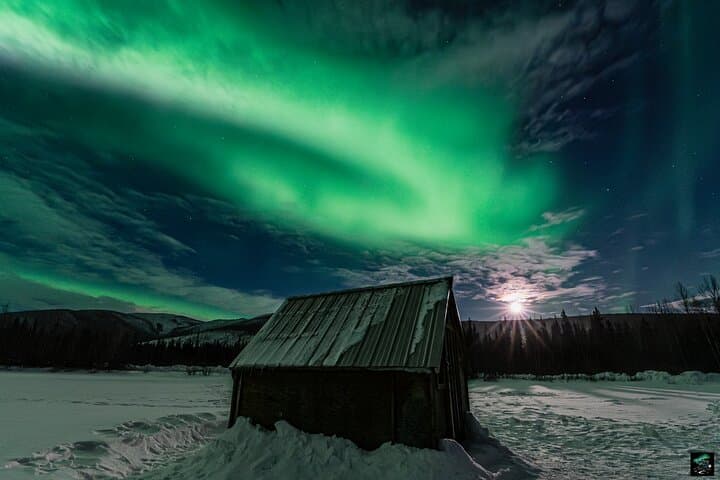
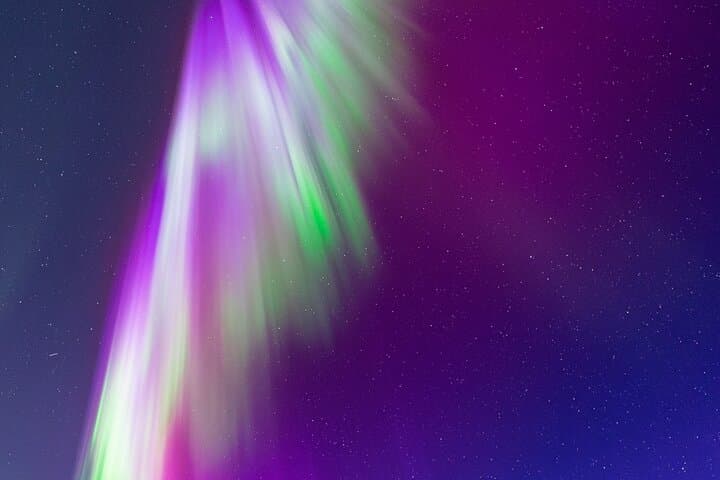
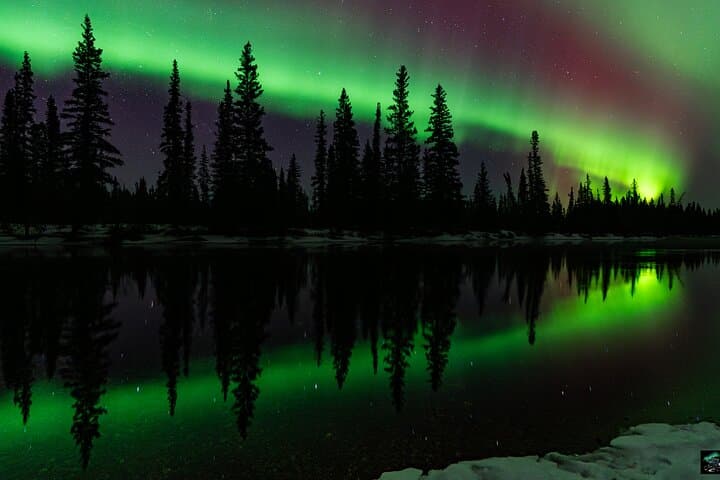
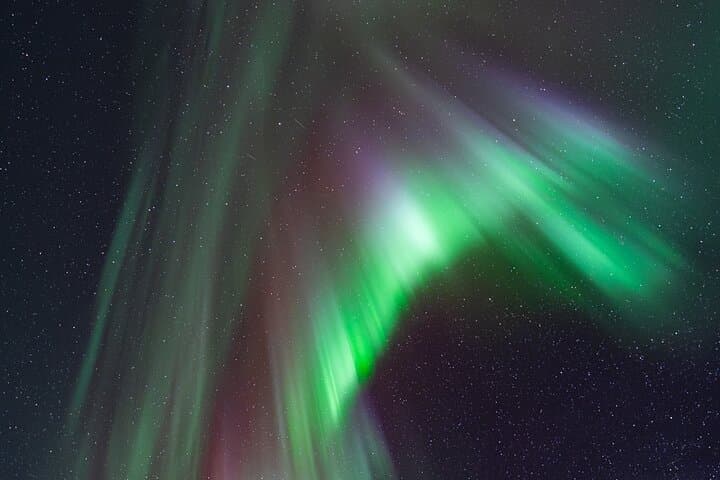
A dark stretch of Alaskan highway, heaters humming, and the guide scanning a sky full of possibility — that’s where this half-night aurora chase begins. You’ll ride out of Fairbanks in a small group or private vehicle for a targeted, under-50-mile trip that hunts clear skies and the strongest magnetic activity. The aurora itself feels alive here: curtains of green and purple that shift and dare you to raise your camera.
A dark stretch of Alaskan highway, heaters humming, and the guide scanning a sky full of possibility — that’s where this half-night aurora chase begins. You’ll ride out of Fairbanks in a small group or private vehicle for a targeted, under-50-mile trip that hunts clear skies and the strongest magnetic activity. The aurora itself feels alive here: curtains of green and purple that shift and dare you to raise your camera.
Fairbanks sits on the broad interior plain carved by ancient rivers and glaciers; the region’s low light and high latitude made it a 20th‑century magnet for aurora observers. The local Athabascan communities have long stories about the lights, and the nearby University of Alaska Fairbanks helped build modern auroral science, so this chase pairs folklore with straightforward meteorology.
Practically, the outing runs about five hours with pickup generally between 9:30–11:30 p.m., adjusted to forecasted activity. Pickup within the Fairbanks/North Pole 25‑mile corridor is included; small add‑on fees may apply for distant lodgings. Guides provide a short aurora primer, hot drinks, basic snacks, help with phone or camera settings, and five edited portraits of the lights. Many stops are in remote areas without plumbing; expect outdoor bathroom breaks or a possible cabin stop if weather allows.
To make the most of a half‑night chase, come with fully charged batteries and a tripod, wear insulated layers and winter boots, and plan for temperature swings. This is a compact, intense window into northern skies — not a lecture, but a practiced hunt for the moment the heavens decide to perform.