THE ADVENTURE COLLECTIVE® · Independent discovery and booking for outdoor travel

Short on time but hungry for adrenaline: this 3–4 hour, 11 km rafting run through Batoka Gorge delivers sustained class 4–5 rapids, river canyon scenery and a riverside lunch. Certified guides handle safety while you focus on paddling and the next big wave.
Short on time but hungry for adrenaline: this 3–4 hour, 11 km rafting run through Batoka Gorge delivers sustained class 4–5 rapids, river canyon scenery and a riverside lunch. Certified guides handle safety while you focus on paddling and the next big wave.
You push off from the riverbank and the Zambezi answers immediately — a surge, a hiss of spray and the canyon walls squeezing the current into teeth. For the next 3–4 hours you’ll ride 11 km of Batoka Gorge, negotiating a chain of class 4–5 rapids while cliffs and riverine forest lean in like an audience.
Verified experiences and guided adventures in the surrounding area.
Operated by Maano Adventures · Victoria Falls, Matabeleland North
You push off from the riverbank and the Zambezi answers immediately — a surge, a hiss of spray and the canyon walls squeezing the current into teeth. For the next 3–4 hours you’ll ride 11 km of Batoka Gorge, negotiating a chain of class 4–5 rapids while cliffs and riverine forest lean in like an audience.
The gorge is cut into ancient basalt and dolerite, a hard black rock folded by volcanic flows and then scoured by the Zambezi. That geology makes for steep walls, narrow chutes and the large hydraulics that give these rapids their reputation. The river here has long been part of local Tonga and Lozi life and sits downstream from Victoria Falls — David Livingstone’s 19th-century report popularized the wider region but the river’s rhythm predates those accounts by millennia.
Expect wet, loud, and immediate adventure: guides give a focused safety briefing, assign positions and coach paddling commands. You’ll encounter named features locals and guides refer to when the current makes memories — powerful waves, technical drops and calm stretches for a riverbank lunch.
Practical notes: moderate fitness and the ability to follow commands are essential; guides provide helmets, lifejackets and dry storage for cameras. Mornings can be crisp in winter months, while water levels rise after the rains — operators adjust runs accordingly. Bring secure water shoes, sun protection, a small dry bag and a willingness to work as a team. This is less a scenic float and more a concentrated, high-adrenaline engagement with one of Africa’s best whitewater rivers.
challenging.
3–4 hours.
Moderate to fit — you should be comfortable paddling for sustained intervals and following safety commands.
The half-day run covers about 11 km and takes roughly 3–4 hours on the water; expect sustained class 4–5 rapids requiring teamwork and moderate fitness.
Typical inclusions are transfers to/from hotels, certified guides, safety equipment (helmet, lifejacket), lunch, beverages and operator photos/videos where offered.
This activity is not recommended for pregnant travelers or people with serious spinal or heart conditions; age minimums and restrictions vary by operator, so confirm at booking.
Guides and operators monitor river levels and may alter the run or cancel for safety; cancellations often follow operator policies and weather-dependent decisions.
The Batoka Gorge is downstream from Victoria Falls, an area long inhabited by Tonga communities; European explorers like David Livingstone brought wider attention to the falls in the 19th century.
Operators typically follow river stewardship guidelines — avoid single-use plastics, respect wildlife, and pack out waste to minimize impacts on the gorge ecosystem.
Maano Adventures operates guided outdoor trips and adventures with an emphasis on safety, stewardship, and memorable experiences.
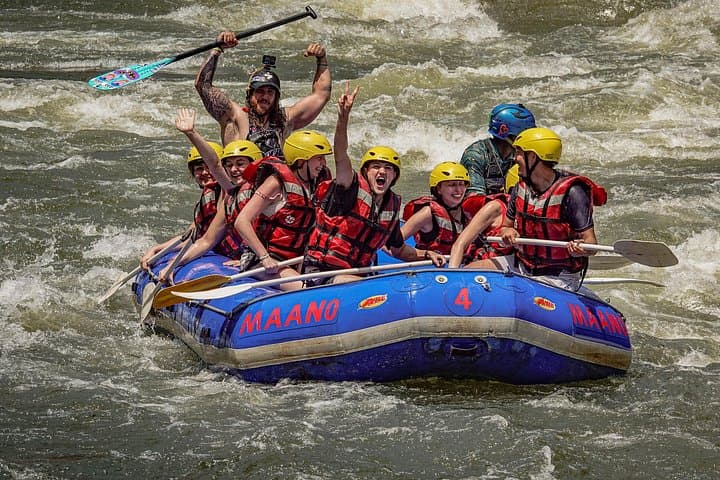


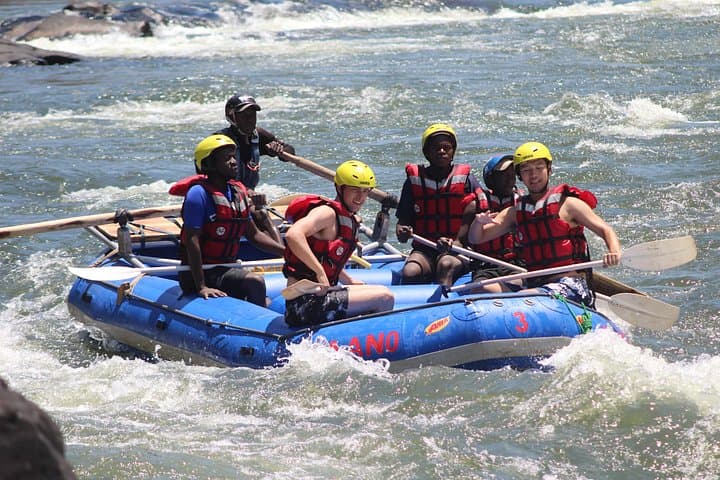
You push off from the riverbank and the Zambezi answers immediately — a surge, a hiss of spray and the canyon walls squeezing the current into teeth. For the next 3–4 hours you’ll ride 11 km of Batoka Gorge, negotiating a chain of class 4–5 rapids while cliffs and riverine forest lean in like an audience.
You push off from the riverbank and the Zambezi answers immediately — a surge, a hiss of spray and the canyon walls squeezing the current into teeth. For the next 3–4 hours you’ll ride 11 km of Batoka Gorge, negotiating a chain of class 4–5 rapids while cliffs and riverine forest lean in like an audience.
The gorge is cut into ancient basalt and dolerite, a hard black rock folded by volcanic flows and then scoured by the Zambezi. That geology makes for steep walls, narrow chutes and the large hydraulics that give these rapids their reputation. The river here has long been part of local Tonga and Lozi life and sits downstream from Victoria Falls — David Livingstone’s 19th-century report popularized the wider region but the river’s rhythm predates those accounts by millennia.
Expect wet, loud, and immediate adventure: guides give a focused safety briefing, assign positions and coach paddling commands. You’ll encounter named features locals and guides refer to when the current makes memories — powerful waves, technical drops and calm stretches for a riverbank lunch.
Practical notes: moderate fitness and the ability to follow commands are essential; guides provide helmets, lifejackets and dry storage for cameras. Mornings can be crisp in winter months, while water levels rise after the rains — operators adjust runs accordingly. Bring secure water shoes, sun protection, a small dry bag and a willingness to work as a team. This is less a scenic float and more a concentrated, high-adrenaline engagement with one of Africa’s best whitewater rivers.