THE ADVENTURE COLLECTIVE® · Independent discovery and booking for outdoor travel

In a 15-minute train hop from Amsterdam Centraal you'll find turning windmills, green wooden houses and hands-on traditions. This private half-day walk mixes industrial history, cheese tastings and a clog-making demo for a compact countryside escape.
In a 15-minute train hop from Amsterdam Centraal you'll find turning windmills, green wooden houses and hands-on traditions. This private half-day walk mixes industrial history, cheese tastings and a clog-making demo for a compact countryside escape.
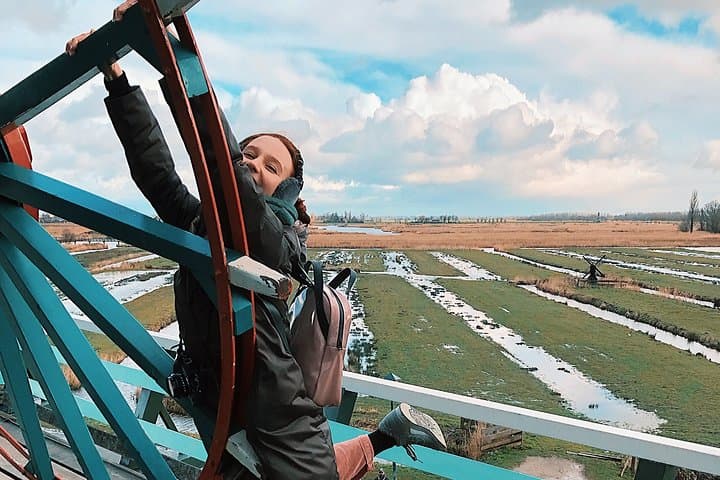
You step out of Amsterdam Centraal into a brisk North Holland morning and, within 15 minutes on the commuter train, the rhythm of the Zaan River changes the city cadence: windmills turn, wooden facades flash green, and movable bridges give the landscape a mechanical heartbeat.
Verified experiences and guided adventures in the surrounding area.
Operated by Snurk.Travel · Zaanse Schans, North Holland
You step out of Amsterdam Centraal into a brisk North Holland morning and, within 15 minutes on the commuter train, the rhythm of the Zaan River changes the city cadence: windmills turn, wooden facades flash green, and movable bridges give the landscape a mechanical heartbeat.
Zaanse Schans grew where peatlands met industrious hands. From the 17th century this low, marshy plain became a cluster of wind-powered industry — sawmills, oil presses, and spice mills — that fed Dutch shipbuilding and global trade. The flat polder topography and clay soils explain why the wind was harnessed here, and why wooden houses and clogs became practical local responses to wet ground.
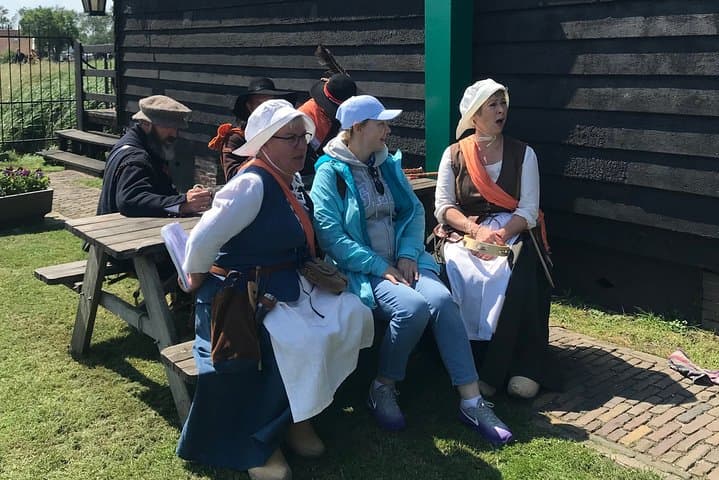
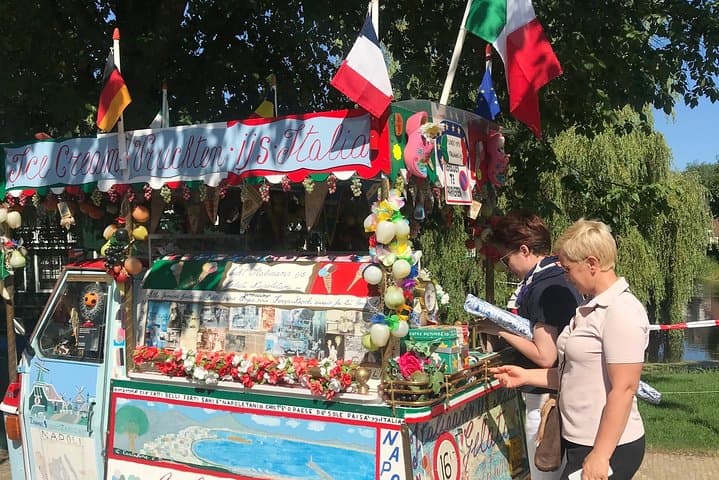
On a half-day private walk you’ll find living demonstrations rather than sterile displays: watch a clog maker shape alderwood, taste farm cheese and mustard, and stand by a spice or sawmill while a guide explains how wind translated to work. Small museums and family-run workshops keep cultural threads visible; the village still hosts swans on canal margins and sheep in nearby fields that remind you the countryside is active, not staged.
Practical notes: meet at Amsterdam Centraal; the train ride is frequent and short. The route is flat and accessible, with several short stops for tastings and demos — wear sturdy shoes and a weatherproof layer for sudden coastal showers. Aim for morning to avoid tour buses; bring a camera, small bills for local purchases, and time for lingering at the Zaans Museum or a quiet riverside bench.
This is a low-effort, high-context half day that pairs easy walking with hands-on history—ideal when you want countryside contrast without a long transfer from Amsterdam.
easy.
3–4 hours.
Suitable for most fitness levels; low-impact walking on flat, paved or packed surfaces
The tour meets at Amsterdam Centraal Station; the guide briefs the group there before the 15-minute train to Zaanse Schans.
Typical inclusions are tastings and demonstrations, but full museum admissions may not be covered—check the booking details or ask the operator.
Most paths are flat and suitable for strollers; some workshop interiors and historic buildings have limited wheelchair access—notify the operator in advance for specifics.
Inform the operator in the booking notes about allergies or dietary needs so they can adjust tastings when possible.
Zaanse Schans preserves a 17th–19th-century industrial landscape where windmills powered saws, oil presses and spice grinders that fed Dutch maritime commerce.
The site balances tourism with preservation of wooden buildings and working mills; visitors are asked to stay on paths, respect demonstrations, and avoid feeding wildlife.
Snurk.Travel operates guided outdoor trips and adventures with an emphasis on safety, stewardship, and memorable experiences.

You step out of Amsterdam Centraal into a brisk North Holland morning and, within 15 minutes on the commuter train, the rhythm of the Zaan River changes the city cadence: windmills turn, wooden facades flash green, and movable bridges give the landscape a mechanical heartbeat.
You step out of Amsterdam Centraal into a brisk North Holland morning and, within 15 minutes on the commuter train, the rhythm of the Zaan River changes the city cadence: windmills turn, wooden facades flash green, and movable bridges give the landscape a mechanical heartbeat.
Zaanse Schans grew where peatlands met industrious hands. From the 17th century this low, marshy plain became a cluster of wind-powered industry — sawmills, oil presses, and spice mills — that fed Dutch shipbuilding and global trade. The flat polder topography and clay soils explain why the wind was harnessed here, and why wooden houses and clogs became practical local responses to wet ground.
On a half-day private walk you’ll find living demonstrations rather than sterile displays: watch a clog maker shape alderwood, taste farm cheese and mustard, and stand by a spice or sawmill while a guide explains how wind translated to work. Small museums and family-run workshops keep cultural threads visible; the village still hosts swans on canal margins and sheep in nearby fields that remind you the countryside is active, not staged.
Practical notes: meet at Amsterdam Centraal; the train ride is frequent and short. The route is flat and accessible, with several short stops for tastings and demos — wear sturdy shoes and a weatherproof layer for sudden coastal showers. Aim for morning to avoid tour buses; bring a camera, small bills for local purchases, and time for lingering at the Zaans Museum or a quiet riverside bench.
This is a low-effort, high-context half day that pairs easy walking with hands-on history—ideal when you want countryside contrast without a long transfer from Amsterdam.