THE ADVENTURE COLLECTIVE® · Independent discovery and booking for outdoor travel

A focused half-day jeep safari from Kataragama into Yala National Park that targets elephants, leopards and resident wetlands birds. Expect three hours on park tracks with local guides, scenic wetlands and high wildlife density.
A focused half-day jeep safari from Kataragama into Yala National Park that targets elephants, leopards and resident wetlands birds. Expect three hours on park tracks with local guides, scenic wetlands and high wildlife density.
The jeep eases onto a rutted track and the scrub opens: thorny bushes give way to muddy pans where water buffalo low and a lone elephant trunks through tall grass. In Yala National Park the land moves with intent — rivers push mangrove fingers toward the sea and dry plains funnel wildlife into predictable corridors.
Verified experiences and guided adventures in the surrounding area.
Operated by Overa Tours · Kataragama, Uva Province
The jeep eases onto a rutted track and the scrub opens: thorny bushes give way to muddy pans where water buffalo low and a lone elephant trunks through tall grass. In Yala National Park the land moves with intent — rivers push mangrove fingers toward the sea and dry plains funnel wildlife into predictable corridors.
Yala, formally designated as a national park in the 20th century, sits where the southern dry zone meets coastal wetlands. Its soils record ancient marine terraces and lagoons; geology here creates the mosaic of freshwater lakes, thorn forest, and open grassland that concentrates birds and mammals. The area around Kataragama adds a cultural layer — pilgrims visit nearby shrines and the park’s boundaries have long been a crossroads between coastal and inland communities.
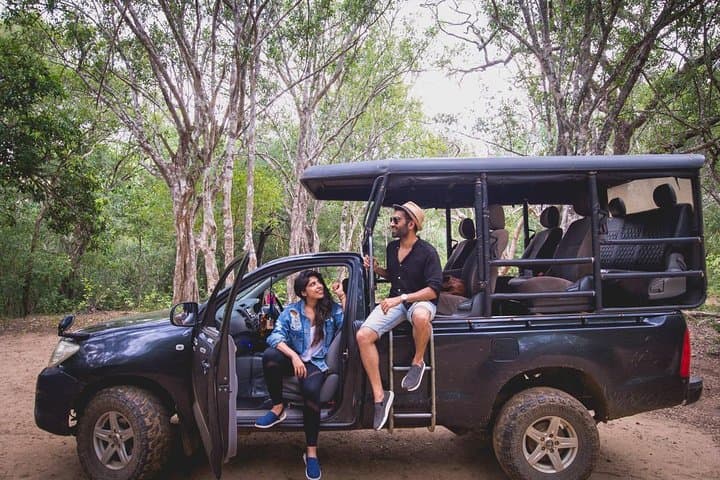
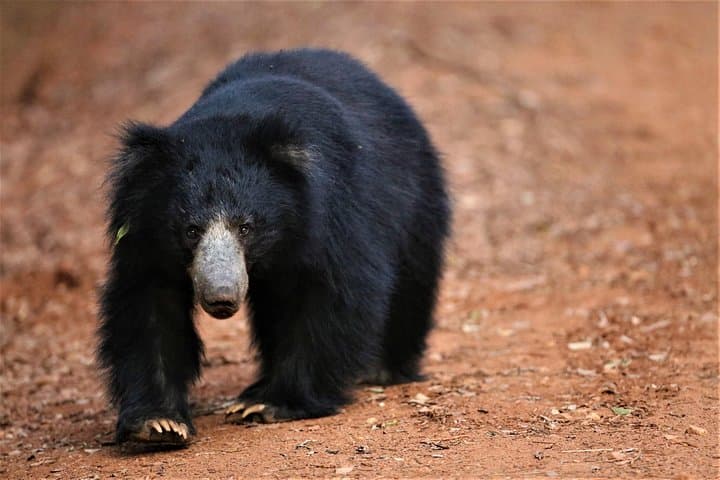
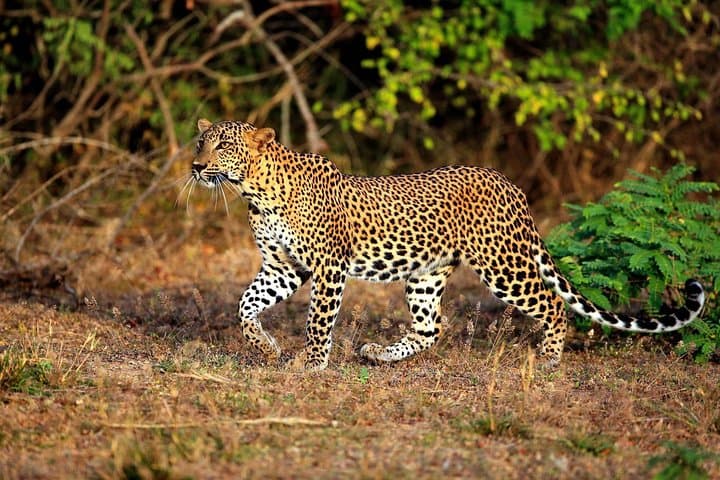
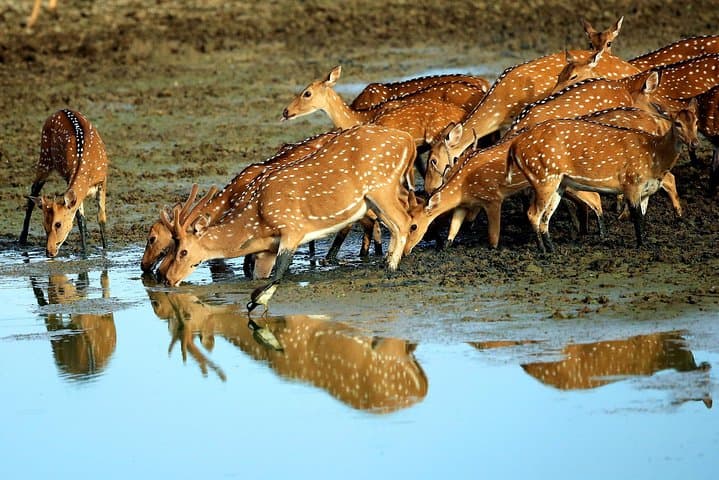
On a three-hour game drive from Kataragama visitors should expect a focused, vehicle-based wildlife experience: scanning river margins for elephants, watching lagoons for herons and storks, and hoping for the park’s famously high density of leopards. Guides will use local knowledge and park tracks to maximize sightings; timing around dawn or late afternoon improves chances.
Practical notes: carry binoculars, sunscreen, and a camera with a tele lens; wear neutral clothing and closed shoes; bring your passport for park entry. Follow your guide’s instructions at all times — Yala’s animals are wild and roads can be rough. With respect and a measured pace, a half-day here delivers intense, close-range encounters with Sri Lanka’s dry-zone wildlife.
easy.
3–4 hours.
Low fitness required; able to climb into a safari jeep and remain seated on uneven terrain for several hours.
No—Yala has a high leopard density, but sightings depend on luck, time of day and animal movement; mornings and late afternoons offer the best chance.
Yes—valid ID or passport is required for park entry and permit checks, so bring the original document.
The safari is vehicle-based and suitable for most ages, but not recommended for those with serious spinal or cardiovascular issues; infants must sit on laps.
Yes—drivers typically stop when wildlife is nearby, but follow the guide’s safety instructions and avoid sudden movements or loud noises.
Yala was established as a protected area in the 20th century; its landscape has long supported wildlife and human pilgrimage routes along the southern dry zone.
Tourism supports park revenue but also stresses habitats; follow guide rules, avoid littering and do not feed animals to minimize impact.
Overa Tours operates guided outdoor trips and adventures with an emphasis on safety, stewardship, and memorable experiences.
The jeep eases onto a rutted track and the scrub opens: thorny bushes give way to muddy pans where water buffalo low and a lone elephant trunks through tall grass. In Yala National Park the land moves with intent — rivers push mangrove fingers toward the sea and dry plains funnel wildlife into predictable corridors.
The jeep eases onto a rutted track and the scrub opens: thorny bushes give way to muddy pans where water buffalo low and a lone elephant trunks through tall grass. In Yala National Park the land moves with intent — rivers push mangrove fingers toward the sea and dry plains funnel wildlife into predictable corridors.
Yala, formally designated as a national park in the 20th century, sits where the southern dry zone meets coastal wetlands. Its soils record ancient marine terraces and lagoons; geology here creates the mosaic of freshwater lakes, thorn forest, and open grassland that concentrates birds and mammals. The area around Kataragama adds a cultural layer — pilgrims visit nearby shrines and the park’s boundaries have long been a crossroads between coastal and inland communities.
On a three-hour game drive from Kataragama visitors should expect a focused, vehicle-based wildlife experience: scanning river margins for elephants, watching lagoons for herons and storks, and hoping for the park’s famously high density of leopards. Guides will use local knowledge and park tracks to maximize sightings; timing around dawn or late afternoon improves chances.
Practical notes: carry binoculars, sunscreen, and a camera with a tele lens; wear neutral clothing and closed shoes; bring your passport for park entry. Follow your guide’s instructions at all times — Yala’s animals are wild and roads can be rough. With respect and a measured pace, a half-day here delivers intense, close-range encounters with Sri Lanka’s dry-zone wildlife.