THE ADVENTURE COLLECTIVE® · Independent discovery and booking for outdoor travel

Spend an afternoon moving from gravel banks to oak cellars on a small-group half-day tour of Margaux. Visit two estates, taste multiple Grand Cru wines, and learn how terroir and winemaking shape these iconic Bordeaux bottlings.
Spend an afternoon moving from gravel banks to oak cellars on a small-group half-day tour of Margaux. Visit two estates, taste multiple Grand Cru wines, and learn how terroir and winemaking shape these iconic Bordeaux bottlings.
You step off the van where vineyard rows first slope toward the Gironde, air fragrant with crushed grape skins and the faint mineral of nearby gravel soils. The guide folds out a map, points north to the famous gravel banks that gave Margaux its identity, and the group fans out toward a low stone château where oak barrels and centuries of vintners’ choices hum in the cellars.
Verified experiences and guided adventures in the surrounding area.
Operated by Olala Bordeaux · Margaux, Nouvelle-Aquitaine
You step off the van where vineyard rows first slope toward the Gironde, air fragrant with crushed grape skins and the faint mineral of nearby gravel soils. The guide folds out a map, points north to the famous gravel banks that gave Margaux its identity, and the group fans out toward a low stone château where oak barrels and centuries of vintners’ choices hum in the cellars.
Margaux sits on Médoc’s eastern edge, its history braided with 18th–19th century châteaux classification and the gravelly terroir deposited by ancient river channels. Geology matters here: deep, well-draining gravels force vines to reach for water and concentrate flavors, while Cabernet-dominant blends produce the region’s trademark perfumes and structured tannins.
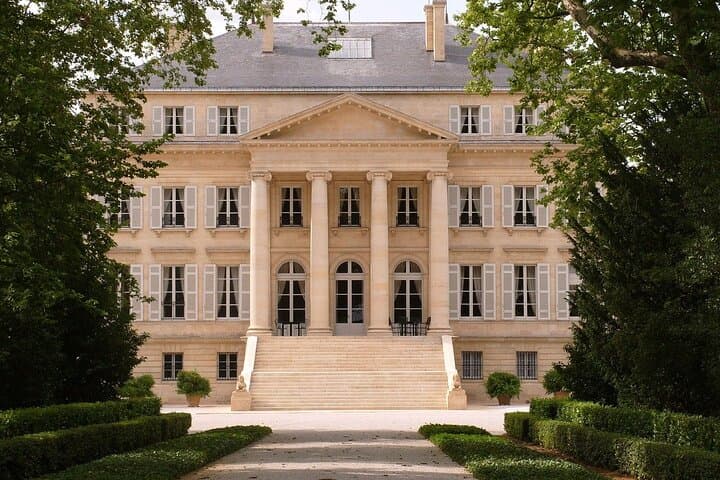
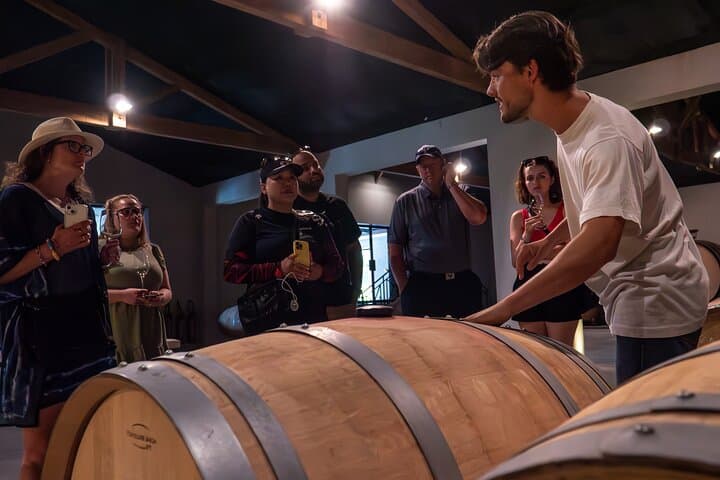
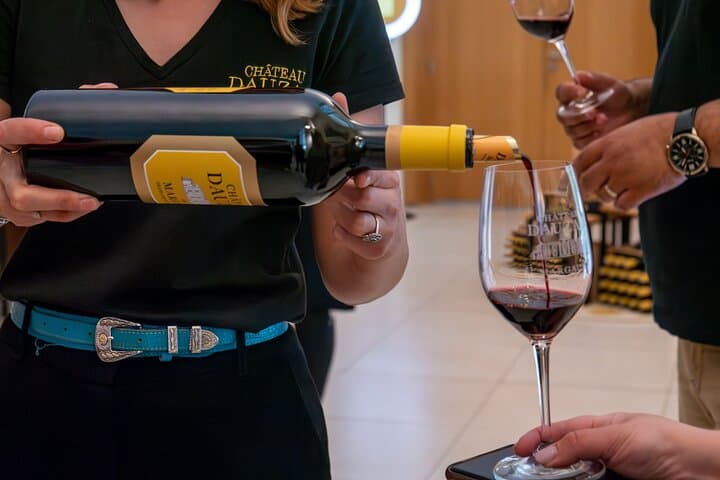
Culturally, tastings are a conversation—about pruning, élevage, and the regional obsession with balance. You’ll pass Château Margaux for photos, then step into at least two estate tours that explain barrel aging, blending and vineyard management. Expect guided tastings of 2–3 wines at each stop; spittoons are available if you’re pacing yourself.
Practical notes: the experience is low-impact physically but high on sensory focus—bring sun protection, comfortable walking shoes for uneven gravel, and a light jacket for cool cellars. Arrive 15 minutes early at the Olala Bordeaux meeting point to board the van promptly; groups are small (max eight) so space is limited. If you want a deeper cellar dive or to bring children, arrange a private visit. Hydrate between tastings and take notes—Margaux reveals its nuances best with repeat sips and a clear palate.
easy.
4 hours.
Suitable for most fitness levels; involves short walks around vineyards and standing during tastings.
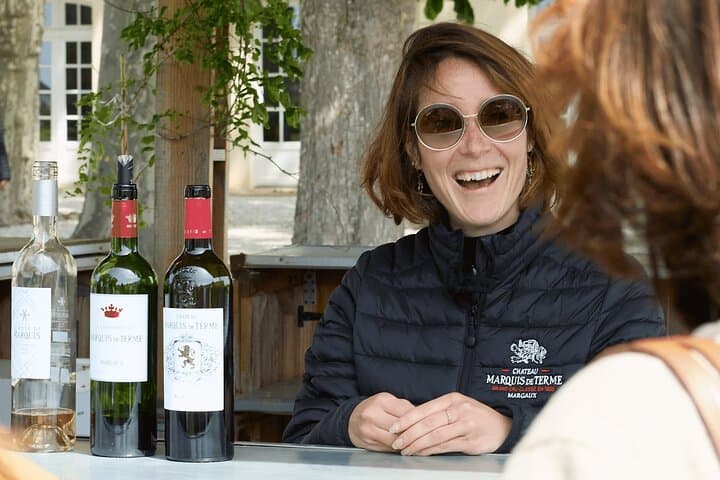
The tour lasts about four hours and includes guided tastings of roughly 2–3 wines at the first château and 3 wines at a Grand Cru Classé estate.
Meet at Olala Bordeaux (2 ter Mably street) near Quinconces tram stop; tram lines B, C and D serve the area.
Children under 16 and pets are not permitted on shared tours—consider booking a private tour if you need an exception.
Yes; many estates sell bottles on site, though availability and export options vary by château so ask staff about purchase and shipping policies.
Margaux’s reputation solidified after the 1855 classification when several estates were ranked as Grand Cru Classé; the area’s identity is tightly linked to that era’s estate architecture and export history.
Many estates use cover crops, hedgerows and reduced tillage to limit erosion and support biodiversity; visitors are encouraged to follow marked paths and avoid disturbing vines.
Olala Bordeaux operates guided outdoor trips and adventures with an emphasis on safety, stewardship, and memorable experiences.
You step off the van where vineyard rows first slope toward the Gironde, air fragrant with crushed grape skins and the faint mineral of nearby gravel soils. The guide folds out a map, points north to the famous gravel banks that gave Margaux its identity, and the group fans out toward a low stone château where oak barrels and centuries of vintners’ choices hum in the cellars.
You step off the van where vineyard rows first slope toward the Gironde, air fragrant with crushed grape skins and the faint mineral of nearby gravel soils. The guide folds out a map, points north to the famous gravel banks that gave Margaux its identity, and the group fans out toward a low stone château where oak barrels and centuries of vintners’ choices hum in the cellars.
Margaux sits on Médoc’s eastern edge, its history braided with 18th–19th century châteaux classification and the gravelly terroir deposited by ancient river channels. Geology matters here: deep, well-draining gravels force vines to reach for water and concentrate flavors, while Cabernet-dominant blends produce the region’s trademark perfumes and structured tannins.
Culturally, tastings are a conversation—about pruning, élevage, and the regional obsession with balance. You’ll pass Château Margaux for photos, then step into at least two estate tours that explain barrel aging, blending and vineyard management. Expect guided tastings of 2–3 wines at each stop; spittoons are available if you’re pacing yourself.
Practical notes: the experience is low-impact physically but high on sensory focus—bring sun protection, comfortable walking shoes for uneven gravel, and a light jacket for cool cellars. Arrive 15 minutes early at the Olala Bordeaux meeting point to board the van promptly; groups are small (max eight) so space is limited. If you want a deeper cellar dive or to bring children, arrange a private visit. Hydrate between tastings and take notes—Margaux reveals its nuances best with repeat sips and a clear palate.