THE ADVENTURE COLLECTIVE® · Independent discovery and booking for outdoor travel

A short, wildlife-focused drive from Agadir introduces you to the coastal plains and estuary of Souss Massa National Park. Morning tours combine a museum briefing with search stops for gazelles, ostriches and the endangered northern bald ibis.
A short, wildlife-focused drive from Agadir introduces you to the coastal plains and estuary of Souss Massa National Park. Morning tours combine a museum briefing with search stops for gazelles, ostriches and the endangered northern bald ibis.
You pull away from Agadir’s palm-lined boulevards and the Atlantic opens to the right, the coastline flattening into scrub and salt-tinted dunes. After a 30-minute drive the road eases into the shaded entrance of Souss Massa National Park. The air here carries sea spray and something wilder — the low calls of shorebirds and the shuffle of grazing mammals.
Verified experiences and guided adventures in the surrounding area.
Operated by Agharass Tours · Agadir, Souss-Massa
You pull away from Agadir’s palm-lined boulevards and the Atlantic opens to the right, the coastline flattening into scrub and salt-tinted dunes. After a 30-minute drive the road eases into the shaded entrance of Souss Massa National Park. The air here carries sea spray and something wilder — the low calls of shorebirds and the shuffle of grazing mammals.
Established in 1991 to protect and restore Saharan and Atlantic species, Souss Massa is a patchwork of river estuary, dunes and arid plains where geology meets the ocean: the shallow Massa River creates a verdant ribbon through otherwise dry terrain, and wind-polished sands and coastal cliffs frame the reserve. Local culture is maritime and Berber-influenced; small fishing settlements like Tifnit still launch traditional boats from pebble beaches.
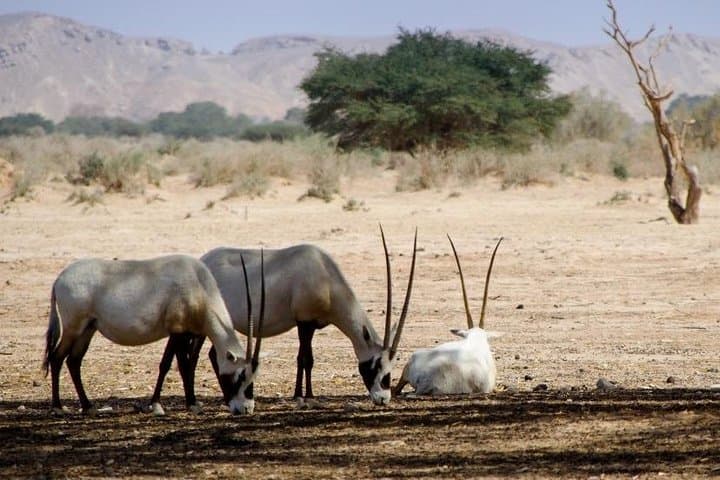
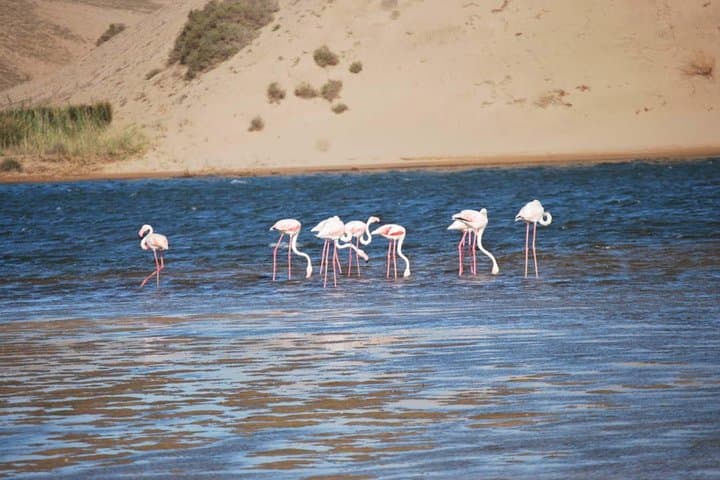
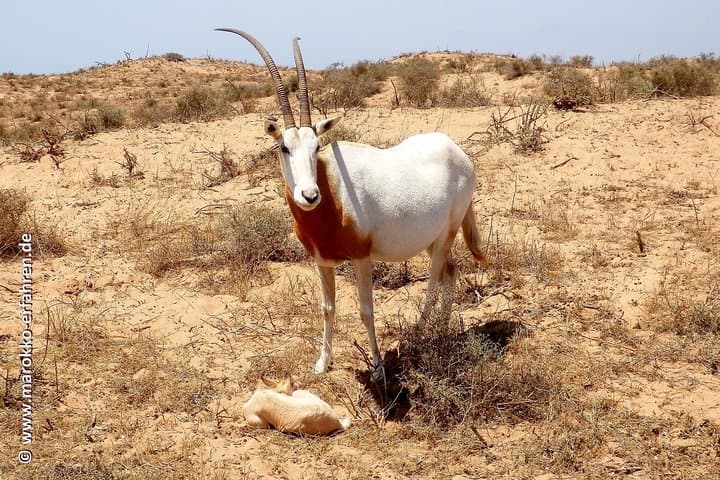
On a half-day tour expect a museum stop at the park entrance to learn about reintroduction programs for species such as the scimitar-horned oryx and northern bald ibis, followed by short drives to observation points. Guides typically allow time to step out, scan with binoculars and photograph free-roaming dorcas gazelle, ostrich and coastal bird colonies. Terrain is easy but uneven — compacted service tracks and sandy patches.
Practical notes: morning departures give cooler light and better bird activity; park fees and a driver-guide are included in most private tours; bring water, sun protection and a compact pair of binoculars. Respect closed enclosures and maintain distance from wildlife — the park’s conservation work depends on minimal disturbance. This half-day option is ideal for travelers seeking wildlife sightings without a full-day commitment.
easy.
4 hours.
Suitable for most fitness levels; involves short walks on compacted tracks and sandy patches
Yes — most operators include hotel pickup and drop-off in Agadir as part of the private half-day tour.
No — the park manages free-ranging animals so sightings depend on season, time of day and animal movements, though guides increase chances by visiting known feeding and watering spots.
Yes — the route involves minimal walking; infant seats and stroller access are often available but check with the operator at booking.
Typically yes — standard tours usually include national park entrance fees as part of the booking.
Created in 1991, Souss Massa was designated to restore Saharan fauna and protect the unique Massa estuary and coastal dunes.
The park focuses on reintroduction and habitat restoration for endangered species; visitors should avoid feeding animals, stick to tracks and follow guide instructions to minimize disturbance.
Agharass Tours operates guided outdoor trips and adventures with an emphasis on safety, stewardship, and memorable experiences.
You pull away from Agadir’s palm-lined boulevards and the Atlantic opens to the right, the coastline flattening into scrub and salt-tinted dunes. After a 30-minute drive the road eases into the shaded entrance of Souss Massa National Park. The air here carries sea spray and something wilder — the low calls of shorebirds and the shuffle of grazing mammals.
You pull away from Agadir’s palm-lined boulevards and the Atlantic opens to the right, the coastline flattening into scrub and salt-tinted dunes. After a 30-minute drive the road eases into the shaded entrance of Souss Massa National Park. The air here carries sea spray and something wilder — the low calls of shorebirds and the shuffle of grazing mammals.
Established in 1991 to protect and restore Saharan and Atlantic species, Souss Massa is a patchwork of river estuary, dunes and arid plains where geology meets the ocean: the shallow Massa River creates a verdant ribbon through otherwise dry terrain, and wind-polished sands and coastal cliffs frame the reserve. Local culture is maritime and Berber-influenced; small fishing settlements like Tifnit still launch traditional boats from pebble beaches.
On a half-day tour expect a museum stop at the park entrance to learn about reintroduction programs for species such as the scimitar-horned oryx and northern bald ibis, followed by short drives to observation points. Guides typically allow time to step out, scan with binoculars and photograph free-roaming dorcas gazelle, ostrich and coastal bird colonies. Terrain is easy but uneven — compacted service tracks and sandy patches.
Practical notes: morning departures give cooler light and better bird activity; park fees and a driver-guide are included in most private tours; bring water, sun protection and a compact pair of binoculars. Respect closed enclosures and maintain distance from wildlife — the park’s conservation work depends on minimal disturbance. This half-day option is ideal for travelers seeking wildlife sightings without a full-day commitment.