THE ADVENTURE COLLECTIVE® · Independent discovery and booking for outdoor travel

Spend a focused half-day in Bahía de Banderas watching humpback whales with a biologist-led small group. Ideal December–March, this compact tour balances high sighting odds with responsible, regulation-driven viewing.
Spend a focused half-day in Bahía de Banderas watching humpback whales with a biologist-led small group. Ideal December–March, this compact tour balances high sighting odds with responsible, regulation-driven viewing.
The morning light lifts off Bahía de Banderas and the harbor smells of diesel and salt — a small skiff shudders out of Marina Vallarta and the ocean immediately widens, dare and blue.
Verified experiences and guided adventures in the surrounding area.
Operated by Vallarta Natours · Puerto Vallarta, Jalisco
The morning light lifts off Bahía de Banderas and the harbor smells of diesel and salt — a small skiff shudders out of Marina Vallarta and the ocean immediately widens, dare and blue.
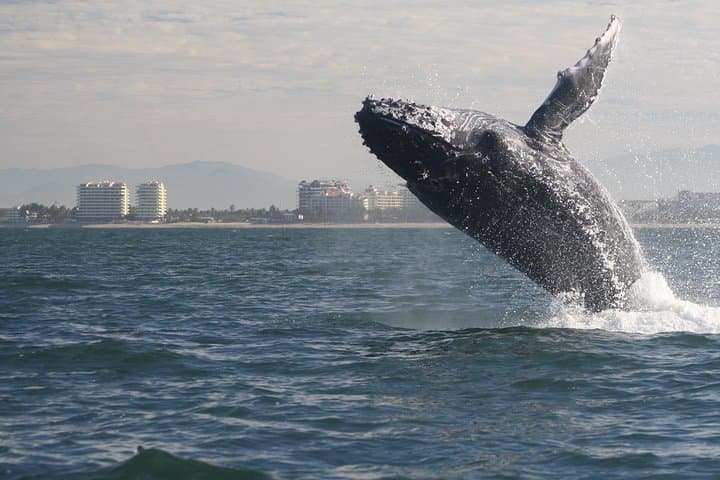
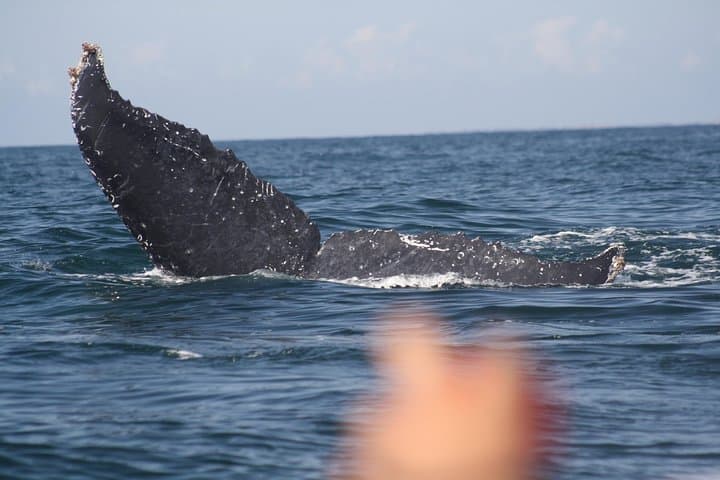
On this half-day outing you’ll ride in a compact vessel (bathroom onboard) with a specialized guide — a biologist, naturalist or ecologist — scanning for spouts and tail slaps. Humpback whales migrate into the bay to breed and calf between December and March; encounters are often gentle, the animals curious but carefully approached under Mexican whale‑watching rules.
Geologically the bay is a broad tectonic bowl where deep water and sheltered coves create feeding and breeding habitat; culturally Puerto Vallarta grew from a fishing village into an ecotourism gateway that prizes marine stewardship. Local crews operate to strict distance limits and prioritize the animals’ behavior over a photo op.
Expect 3–4 hours on the water, variable sea conditions, and tight viewing windows when animals surface. Guides narrate behavior, point out dorsal shapes and explain identification by fluke and blow patterns. Lunch and soft beverages are included, and tours run rain or shine during peak season.
Practical notes: bring layered windproof clothing, sun protection, and seasickness prevention if you’re prone. Keep cameras ready but listen to your guide — the best shot is the responsible one. If seeing whales is the priority, plan for December–March; outside that window sightings drop. This half‑day trip blends high likelihood of wildlife with low impact practices, ideal for travelers who want a concentrated, educational encounter with humpbacks in Bahía de Banderas.
easy.
3–4 hours.
Suitable for most fitness levels; requires boarding a small boat and sitting/standing for several hours
Peak season is December through March when whales come to breed and calf; sightings are most frequent in this window but never 100% guaranteed.
Yes — infants may ride in laps and small children can join, but boats are small and guests should be comfortable with marine conditions; notify operator about special needs.
Guides follow Mexican regulations and best practices, maintaining safe distances and approaching only when whales show non‑avoidance behavior; the goal is observation without disturbance.
While sightings are common in peak season, wildlife is unpredictable; check the operator’s specific booking policy for rebooking or refund terms, and consider choosing peak dates for higher odds.
Puerto Vallarta began as a fishing settlement and the bay’s deep channel and protected coves have long supported both local fisheries and migratory whales.
Operators in the bay follow whale‑watching guidelines to minimize disturbance; support local guides and avoid single-use plastics to reduce marine impact.
Vallarta Natours operates guided outdoor trips and adventures with an emphasis on safety, stewardship, and memorable experiences.
The morning light lifts off Bahía de Banderas and the harbor smells of diesel and salt — a small skiff shudders out of Marina Vallarta and the ocean immediately widens, dare and blue.
The morning light lifts off Bahía de Banderas and the harbor smells of diesel and salt — a small skiff shudders out of Marina Vallarta and the ocean immediately widens, dare and blue.
On this half-day outing you’ll ride in a compact vessel (bathroom onboard) with a specialized guide — a biologist, naturalist or ecologist — scanning for spouts and tail slaps. Humpback whales migrate into the bay to breed and calf between December and March; encounters are often gentle, the animals curious but carefully approached under Mexican whale‑watching rules.
Geologically the bay is a broad tectonic bowl where deep water and sheltered coves create feeding and breeding habitat; culturally Puerto Vallarta grew from a fishing village into an ecotourism gateway that prizes marine stewardship. Local crews operate to strict distance limits and prioritize the animals’ behavior over a photo op.
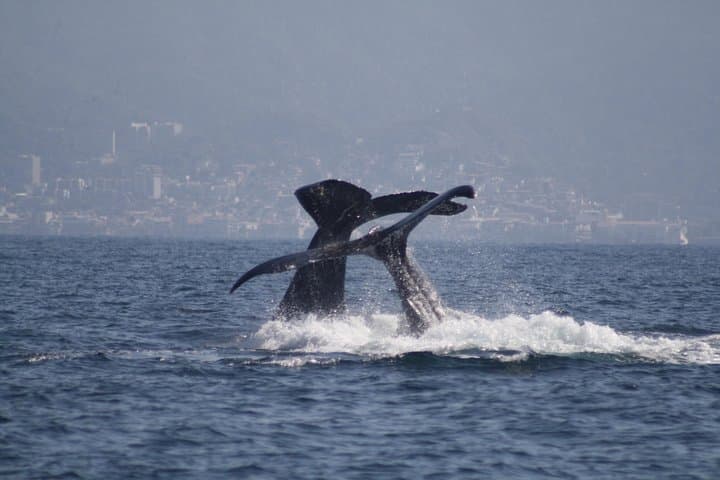
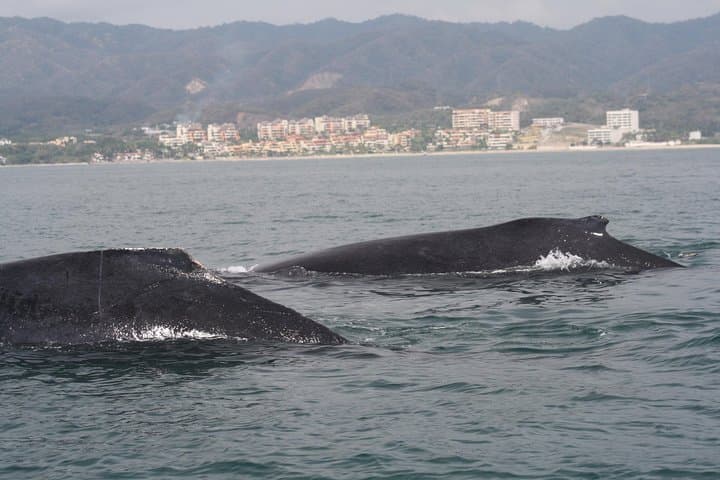
Expect 3–4 hours on the water, variable sea conditions, and tight viewing windows when animals surface. Guides narrate behavior, point out dorsal shapes and explain identification by fluke and blow patterns. Lunch and soft beverages are included, and tours run rain or shine during peak season.
Practical notes: bring layered windproof clothing, sun protection, and seasickness prevention if you’re prone. Keep cameras ready but listen to your guide — the best shot is the responsible one. If seeing whales is the priority, plan for December–March; outside that window sightings drop. This half‑day trip blends high likelihood of wildlife with low impact practices, ideal for travelers who want a concentrated, educational encounter with humpbacks in Bahía de Banderas.