THE ADVENTURE COLLECTIVE® · Independent discovery and booking for outdoor travel

Board a small, committed vessel off Moorea for a 3–4 hour whale-watching outing led by a naturalist. Expect respectful, educational encounters with humpbacks and other marine life—bring layers, sun protection and patience.
Board a small, committed vessel off Moorea for a 3–4 hour whale-watching outing led by a naturalist. Expect respectful, educational encounters with humpbacks and other marine life—bring layers, sun protection and patience.
The boat slips from Moorea’s reef into a wide, glassy blue; wind teases the surface and the island’s jagged volcanic ridges hang like dark teeth on the horizon. On this half-day, small-group outing (max eight), passengers move quietly, binoculars raised, as the captain listens to the sea and the naturalist reads the water for the telltale blows and tail flukes of humpback whales.
Verified experiences and guided adventures in the surrounding area.
Operated by Mori Ora · Moorea, Society Islands
The boat slips from Moorea’s reef into a wide, glassy blue; wind teases the surface and the island’s jagged volcanic ridges hang like dark teeth on the horizon. On this half-day, small-group outing (max eight), passengers move quietly, binoculars raised, as the captain listens to the sea and the naturalist reads the water for the telltale blows and tail flukes of humpback whales.
Moorea sits on an ancient volcanic caldera sculpted by lava and erosion, its bays shaped by waves and coral. Humpback whales migrate through these warm South Pacific waters each year, hunting, mating and teaching calves the songs that carried across generations. Polynesian communities have long respected cetaceans as central to marine life and local lore; today, responsible operators follow strict approach protocols to minimize disturbance.
Expect patience: sightings can be sudden or slow to appear, and encounters vary from breaching juveniles to distant singing males. The crew interprets behaviors—courtship, nursing, transit—and points out secondary species like spinner dolphins and seabirds that follow the group.
Practical guidance: dress for sun and spray—light layers, hat, and a waterproof shell. Bring motion-sickness prevention if you’re prone to it; rides are typically calm but can chop near open ocean. Tours last roughly 3–4 hours and include water and snacks, with departures timed around tidal and weather windows. Because boats adhere to conservation distances, prepare for observation rather than close contact: photography with a telephoto lens rewards those who wait.
This is a focused wildlife encounter—quiet, regulated and educational—best for travelers who value respectful viewing over theatrical proximity.
easy.
3–4 hours.
Suitable for most fitness levels; requires ability to step on/off a small boat and remain seated or steady on a moving deck.
Tours run about 3–4 hours depending on weather and animal locations; the listed duration is typically 4 hours including transit time.
Operators follow animal-friendly approach rules—expect respectful observation distances rather than close contact or chasing.
Yes—infants must sit on an adult’s lap and the tour is suitable for most ages, but it’s not wheelchair accessible and not recommended for those with certain health issues.
Common secondary sightings include spinner dolphins, long-billed dolphins, flying fish and various seabirds; sperm whales are possible but less frequent.
Moorea’s coastline was formed by volcanic activity and reef growth; humpback migrations have long intersected Polynesian fishing grounds and cultural narratives.
Operators in French Polynesia use respectful approach protocols and limit group size to reduce disturbance; visitors should avoid single-use plastics and follow crew guidance to protect marine habitats.
Mori Ora operates guided outdoor trips and adventures with an emphasis on safety, stewardship, and memorable experiences.
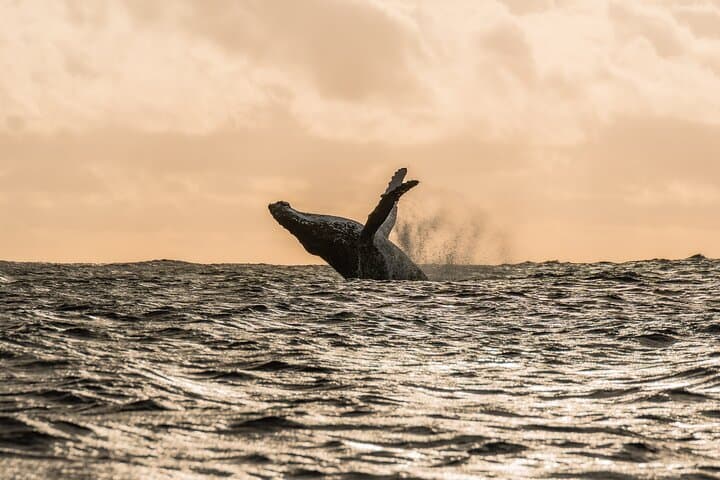

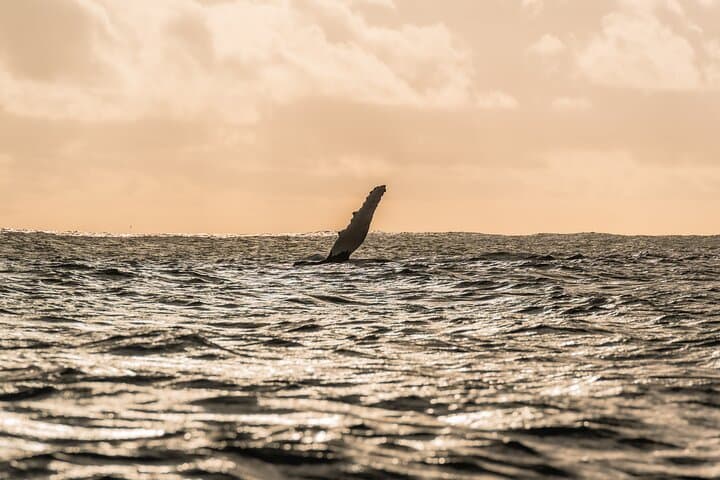
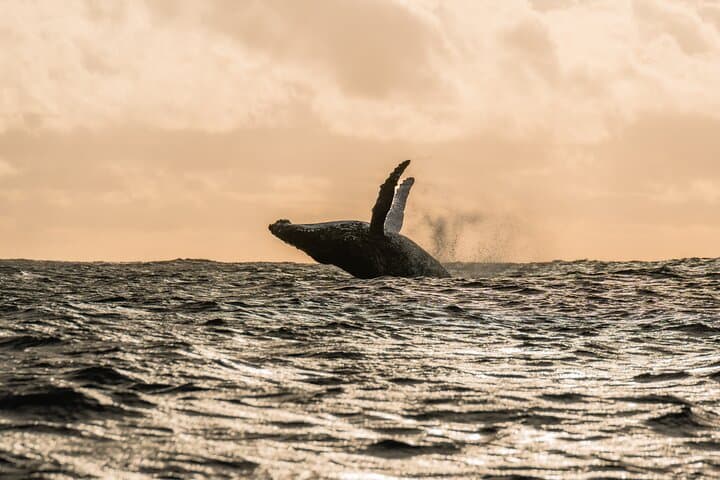
The boat slips from Moorea’s reef into a wide, glassy blue; wind teases the surface and the island’s jagged volcanic ridges hang like dark teeth on the horizon. On this half-day, small-group outing (max eight), passengers move quietly, binoculars raised, as the captain listens to the sea and the naturalist reads the water for the telltale blows and tail flukes of humpback whales.
The boat slips from Moorea’s reef into a wide, glassy blue; wind teases the surface and the island’s jagged volcanic ridges hang like dark teeth on the horizon. On this half-day, small-group outing (max eight), passengers move quietly, binoculars raised, as the captain listens to the sea and the naturalist reads the water for the telltale blows and tail flukes of humpback whales.
Moorea sits on an ancient volcanic caldera sculpted by lava and erosion, its bays shaped by waves and coral. Humpback whales migrate through these warm South Pacific waters each year, hunting, mating and teaching calves the songs that carried across generations. Polynesian communities have long respected cetaceans as central to marine life and local lore; today, responsible operators follow strict approach protocols to minimize disturbance.
Expect patience: sightings can be sudden or slow to appear, and encounters vary from breaching juveniles to distant singing males. The crew interprets behaviors—courtship, nursing, transit—and points out secondary species like spinner dolphins and seabirds that follow the group.
Practical guidance: dress for sun and spray—light layers, hat, and a waterproof shell. Bring motion-sickness prevention if you’re prone to it; rides are typically calm but can chop near open ocean. Tours last roughly 3–4 hours and include water and snacks, with departures timed around tidal and weather windows. Because boats adhere to conservation distances, prepare for observation rather than close contact: photography with a telephoto lens rewards those who wait.
This is a focused wildlife encounter—quiet, regulated and educational—best for travelers who value respectful viewing over theatrical proximity.