THE ADVENTURE COLLECTIVE® · Independent discovery and booking for outdoor travel

Board the 9 am ferry and trade a long-day itinerary for a focused, scenic half-day on Waiheke: two wine tastings, an olive oil sampling, and beach lookouts in just over three hours.
Board the 9 am ferry and trade a long-day itinerary for a focused, scenic half-day on Waiheke: two wine tastings, an olive oil sampling, and beach lookouts in just over three hours.
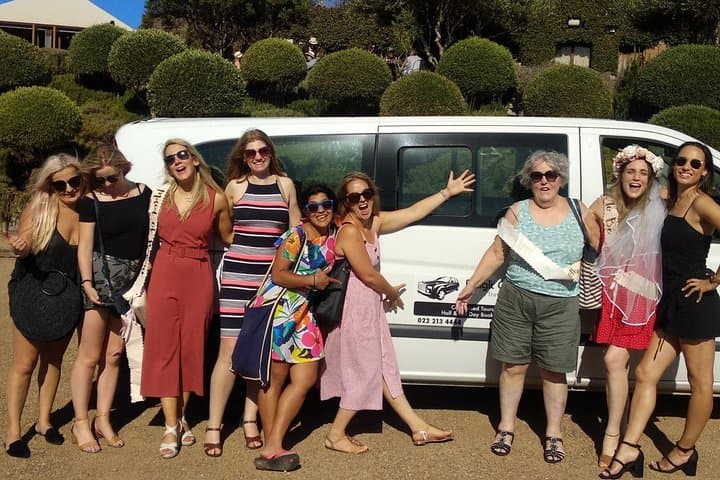
The ferry eases away from Auckland and the harbor loosens — gulls wheel, and the Hauraki Gulf flattens into a ribbon of silver. Thirty-five minutes later Matiatia wharf announces Waiheke with the small, confident bustle of an island that lives by day in sunshine and by night in good conversation. A minivan meets you there and the tour begins: a short, scenic loop that trades lengthy hikes for concentrated tastes of the island — short walks to shorelines, a vineyard terrace, and an olive grove.
Verified experiences and guided adventures in the surrounding area.
Operated by Waiheke Touring · Waiheke Island, Auckland
The ferry eases away from Auckland and the harbor loosens — gulls wheel, and the Hauraki Gulf flattens into a ribbon of silver. Thirty-five minutes later Matiatia wharf announces Waiheke with the small, confident bustle of an island that lives by day in sunshine and by night in good conversation. A minivan meets you there and the tour begins: a short, scenic loop that trades lengthy hikes for concentrated tastes of the island — short walks to shorelines, a vineyard terrace, and an olive grove.
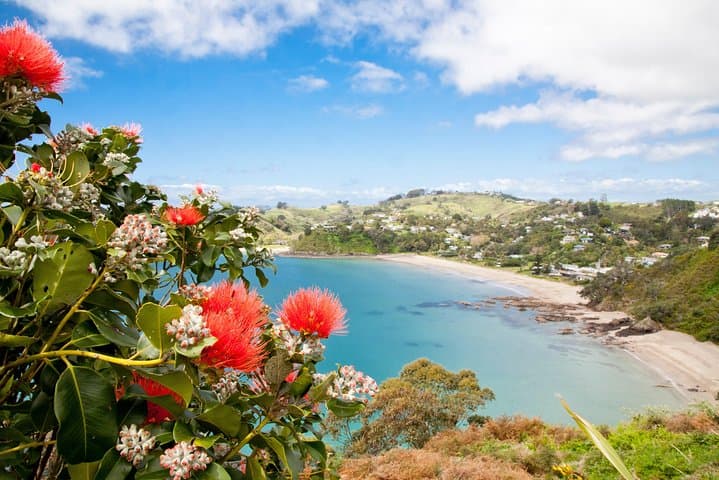
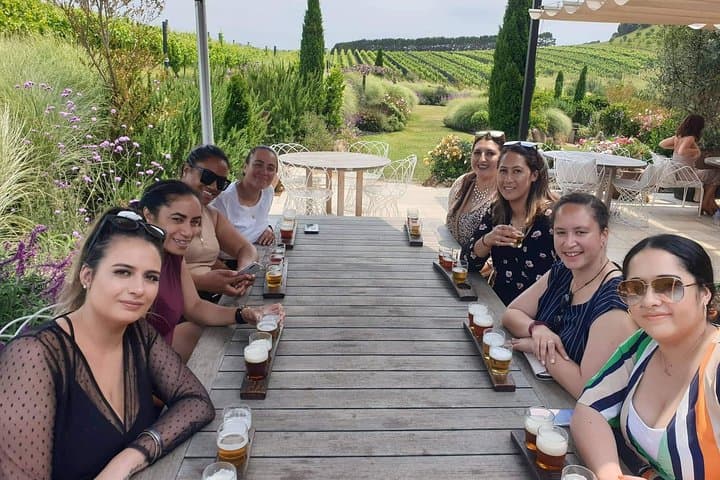
You will move through Oneroa’s low-lying shops and the fine-graded paths above Palm Beach, where the lookout curves like an arm pointing back toward the city. Casita Miro opens with its Mediterranean architecture and a first tasting that frames Waiheke’s surprising variety: crisp whites and concentrated, sun-ripened reds made on clay and thin topsoils that force vines to focus flavor. Onetangi’s long, surf-defined beach follows — an ideal photo stop — then Rangihoua Estate for olive oil tasting, and Mudbrick’s terraced lawns and dramatic views for a second wine tasting and a pause for lunch (not included). Wineries visited may vary by day, and the ferry fare is not included.
Waiheke’s recent identity as a premium wine region is young: vineyards proliferated on slopes that were once sheep pasture, and within a few decades small estates and experimental plantings have produced a distinct island style. Beneath the vineyards the island’s geology is simple — coastal terraces and gentle, well-draining soils that heat quickly in summer, giving fruit the ripeness local winemakers prize.
The tour balances sensory pleasures with practicalities. Tastings and short walks replace heavy hiking; accessibility is reasonable, but there are stairs and some uneven ground at smaller cellar doors. The climate can flip between warm sun and a sharp sea breeze; dressing in layers keeps you comfortable between wineries and lookout points. Bring ID — New Zealand’s legal drinking age is 18 — and plan transport: pickups return you to the wharf in time for the 2 pm ferry.
This half-day route is ideal for travelers who want to sample Waiheke’s best touches in a compact window: shoreline panoramas, two curated tastings, and a local olive oil. It’s about people, place, and pace — a tidy island primer that leaves room to return and spend more time between the rows of vines.
easy.
3–4 hours.
Suitable for most fitness levels; involves short walks and some stairs at cellar doors
The tour lasts about 3.5 hours and is timed around the 9 am ferry to arrive for pickup at Matiatia; you return for the 2 pm ferry.
No — lunch is not included, though tours stop near Mudbrick where you can buy food or bring your own.
Wineries may change due to availability; the itinerary lists typical stops but operators reserve flexibility.
The operator notes wheelchair accessibility for the vehicle, but some cellar doors and beaches have steps or uneven surfaces — check specifics when booking.
Children can join; infants may need to sit on laps and infant seats may be available — confirm at booking.
Yes — ferry fares are not included, and it's recommended to purchase your ferry ticket ahead, especially on summer weekends.
Waiheke’s modern viticulture expanded in the late 20th century; before that the island was a mix of agricultural land and Māori settlements with long ties to the Hauraki Gulf.
Visit with care: stick to paths on fragile coastal terraces, support family-run estates, and avoid letting runoff or litter affect vineyards and shorelines.
Waiheke Touring operates guided outdoor trips and adventures with an emphasis on safety, stewardship, and memorable experiences.
The ferry eases away from Auckland and the harbor loosens — gulls wheel, and the Hauraki Gulf flattens into a ribbon of silver. Thirty-five minutes later Matiatia wharf announces Waiheke with the small, confident bustle of an island that lives by day in sunshine and by night in good conversation. A minivan meets you there and the tour begins: a short, scenic loop that trades lengthy hikes for concentrated tastes of the island — short walks to shorelines, a vineyard terrace, and an olive grove.
The ferry eases away from Auckland and the harbor loosens — gulls wheel, and the Hauraki Gulf flattens into a ribbon of silver. Thirty-five minutes later Matiatia wharf announces Waiheke with the small, confident bustle of an island that lives by day in sunshine and by night in good conversation. A minivan meets you there and the tour begins: a short, scenic loop that trades lengthy hikes for concentrated tastes of the island — short walks to shorelines, a vineyard terrace, and an olive grove.
You will move through Oneroa’s low-lying shops and the fine-graded paths above Palm Beach, where the lookout curves like an arm pointing back toward the city. Casita Miro opens with its Mediterranean architecture and a first tasting that frames Waiheke’s surprising variety: crisp whites and concentrated, sun-ripened reds made on clay and thin topsoils that force vines to focus flavor. Onetangi’s long, surf-defined beach follows — an ideal photo stop — then Rangihoua Estate for olive oil tasting, and Mudbrick’s terraced lawns and dramatic views for a second wine tasting and a pause for lunch (not included). Wineries visited may vary by day, and the ferry fare is not included.
Waiheke’s recent identity as a premium wine region is young: vineyards proliferated on slopes that were once sheep pasture, and within a few decades small estates and experimental plantings have produced a distinct island style. Beneath the vineyards the island’s geology is simple — coastal terraces and gentle, well-draining soils that heat quickly in summer, giving fruit the ripeness local winemakers prize.
The tour balances sensory pleasures with practicalities. Tastings and short walks replace heavy hiking; accessibility is reasonable, but there are stairs and some uneven ground at smaller cellar doors. The climate can flip between warm sun and a sharp sea breeze; dressing in layers keeps you comfortable between wineries and lookout points. Bring ID — New Zealand’s legal drinking age is 18 — and plan transport: pickups return you to the wharf in time for the 2 pm ferry.
This half-day route is ideal for travelers who want to sample Waiheke’s best touches in a compact window: shoreline panoramas, two curated tastings, and a local olive oil. It’s about people, place, and pace — a tidy island primer that leaves room to return and spend more time between the rows of vines.